Quick Summary
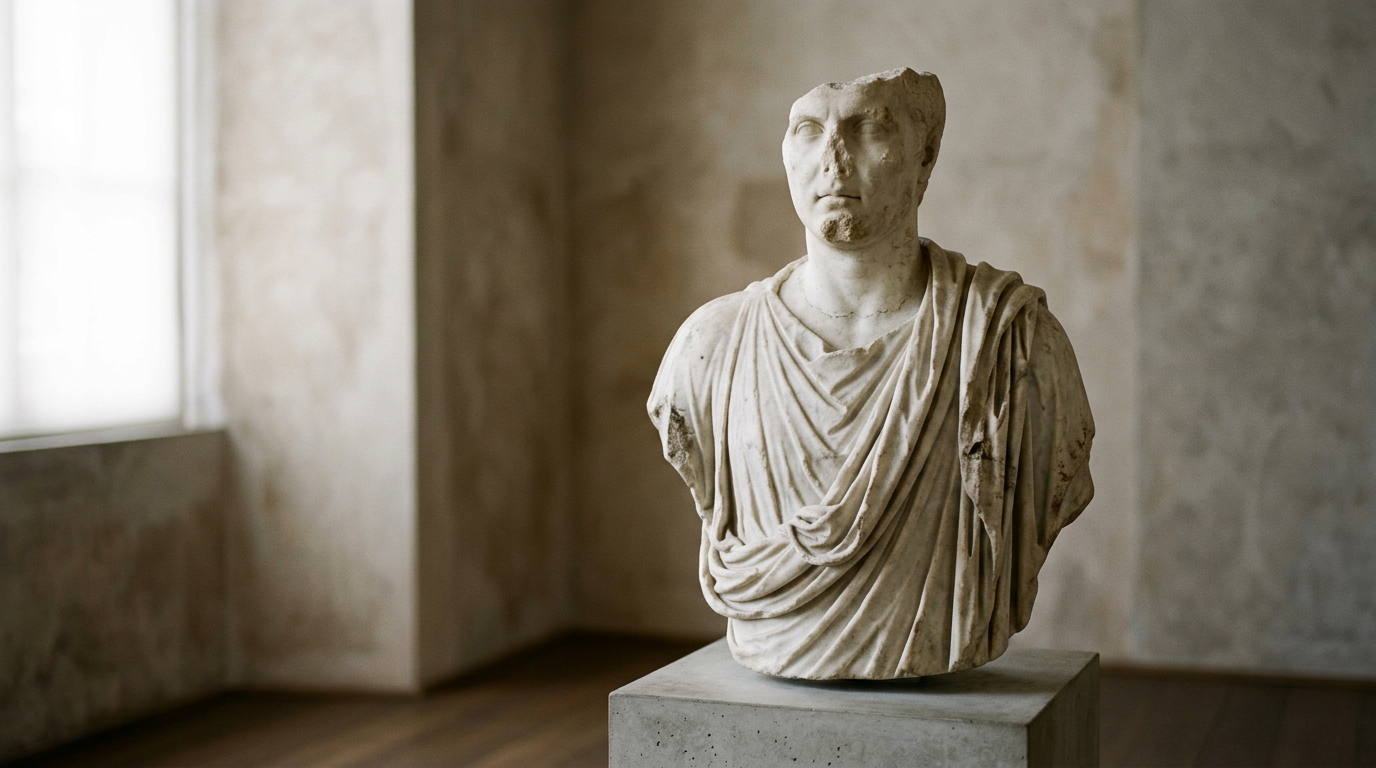
Classical statues are often found with broken noses or missing limbs due to a combination of deliberate human actions and the ravages of time. Intentional destruction includes political defacement by conquering regimes, religious iconoclasm, and trophy-taking. Accidental damage occurred during excavation, transport, and display. Furthermore, centuries of exposure to elements, earthquakes, and the simple force of gravity have taken their toll, gradually eroding and breaking these ancient works.
In a hurry? TL;DR
- 1Political vandalism by conquerors or rivals was common.
- 2Religious iconoclasm targeted pagan idols.
- 3Accidents occurred during excavation, transport, and re-erection.
- 4Statues were often reused or repurposed, leading to alterations.
- 5Natural elements, earthquakes, and gravity caused gradual decay.
- 6Original materials (marble, bronze) are inherently fragile.
- 7Damage sometimes stemmed from collecting practices or theft.
We've all seen them: the majestic, ancient sculptures, often missing a nose or an arm. From the Venus de Milo to countless Roman emperors, their imperfections have become almost as iconic as their original artistry. It's a striking visual paradox: works designed to embody perfection and permanence now stand as testaments to fragility and change.
Is it simply the relentless gnawing of time, or is there a more complex, perhaps even darker, history behind these ubiquitous imperfections? The truth, as is often the case with ancient history, is a fascinating tapestry woven from many threads. The missing nose isn't just a sign of age; it's a silent witness to millennia of human conflict, shifting beliefs, and the sheer caprice of existence.
To understand why so many classical statues bear these battle scars, we must journey through centuries of political upheaval, religious zeal, archaeological blunders, and the inevitable triumph of entropy. Their current state isn't a flaw; it's a narrative, waiting to be deciphered.
The Hand of Man: Deliberate Destruction
Perhaps the most compelling, and often unsettling, reason for the damage to classical statues lies in deliberate human action. Throughout history, art has been a powerful symbol, and thus, a prime target.
Political Vandalism and 'Damnatio Memoriae'
Imagine a new ruler coming to power. The previous regime's symbols, including statues of their leaders, became immediate targets. Noses, being prominent and easily targeted features, were often the first to go. A broken nose on an emperor's statue was a clear message: 'Their reign is over, their legacy tarnished.' This practice was so common in ancient Rome it even had a name: damnatio memoriae – the condemnation of memory. This wasn't just about defacing a stone; it was an attempt to erase a person from history, to deny them an afterlife in the collective consciousness.
Similarly, when a conquering army swept through a city, the statues of the vanquished often faced brutal treatment. Toppling, beheading, or dismembering enemy effigies was a powerful symbolic act of dominance. It showed utter contempt and asserted new authority over the conquered land and its past leaders.
Religious Iconoclasm
As civilisations shifted from paganism to Christianity, and later with other religious upheavals, a new wave of destruction began. Statues of gods and goddesses, once revered, were now seen as idols of a false religion. Early Christians, for instance, actively destroyed pagan sculptures and temples. This wasn't mere vandalism; it was a fervent act of faith, purging society of what they considered blasphemous symbols. The statues, particularly those representing deities with distinctly human features, were often mutilated as a way to desacralise them, to strip them of their perceived power and render them harmless.
The Unavoidable: Time, Nature, and Accidents
Beyond human malice, the simple passage of time, the forces of nature, and various accidents have all played significant roles in the degradation of ancient statuary.
Earthquakes and Natural Disasters
Many classical civilisations were located in earthquake-prone regions, particularly around the Mediterranean. Major tremors could topple entire structures, sending heavy marble statues crashing to the ground. Volcanoes, floods, and even severe storms have also contributed to the burial, erosion, and breakage of countless pieces over millennia. Consider how quickly events can erase even modern structures; ancient art has endured for thousands of years, a testament to its initial resilience despite the odds.
Erosion and Weathering
Left exposed to the elements for centuries, even the hardest stone will eventually succumb. Rain, wind, frost, and chemical reactions within the atmosphere slowly but inexorably wear away at surfaces. Details soften, cracks appear, and projecting parts like noses, fingers, and limbs, being thinner and more exposed, are often the first to snap off. This is a slow, relentless process, but over thousands of years, its impact is profound.
Archaeological Mishaps and Transportation Trauma
When many of these statues were first excavated, archaeology was a far less refined science than it is today. Discoveries were often made by chance, sometimes by untrained individuals or treasure hunters. Heavy-handed digging techniques, the use of inappropriate tools, or simply inadequate understanding of structural integrity could easily lead to breakage. Imagine a statue buried for centuries, its structure weakened, suddenly being pulled from the earth with a rope. It’s no surprise parts would snap.
Furthermore, the journey from excavation site to museum was, and still can be, fraught with peril. Early transportation methods were rudimentary. Rolling a massive, multi-tonne marble figure across rough terrain, or loading it onto a ship, invariably led to bumps, drops, and cracks. The sheer logistics of moving such fragile, heavy objects across vast distances without damage remains a challenge even with modern technology.
The Perils of Reuse and Rediscovery
Statues weren't always preserved intact. In many periods, they were seen as raw material or curiosities, not untouchable masterpieces.
Quarrying and Repurposing
After the decline of ancient empires, many classical cities became quarries for new constructions. Grand temples and public buildings were dismantled, their stones repurposed for churches, fortresses, or homes. Statues, if not destroyed outright, might be broken down for their marble. Some were even burnt in lime kilns to make mortar. Those that survived were often found buried in rubble or incorporated into later buildings, sometimes in fragments.
Trophy Taking and Souvenirs
For centuries, particularly during the Grand Tour era, classical ruins were seen as sources of souvenirs. Wealthy travellers, and sometimes even official expeditions, would hack off pieces of statues to take home as mementos. A head, a hand, or a particularly interesting fragment was easier to transport than an entire sculpture. This 'collecting' impulse, though less prevalent today, certainly contributed to the piecemeal state of many finds.
Shifting Aesthetics and Repairs
Even in ancient times, statues were sometimes 'updated'. A head might be replaced to reflect a new emperor, or a damaged piece might be clumsily repaired. In later centuries, particularly the Renaissance, it became common practice to 'restore' ancient statues by adding missing limbs or noses, sometimes with little regard for historical accuracy or the original style. These restorations often involved drilling into the original piece, further compromising its integrity.
Consider also the longevity involved. Cleopatra lived closer in time to the Moon landing than to the building of the Great Pyramid, highlighting the immense spans over which these objects have existed and been subject to change.
How to actually use this
Next time you encounter a classical statue with a missing nose or limb, resist the urge to simply lament its damaged state. Instead, view it as an opportunity for historical inquiry. Ask yourself: What might have happened here? Was this the work of a conquering army, a religious purge, or a particularly violent earthquake? Could it have been broken during excavation, or perhaps even removed as a souvenir?
Each imperfection tells a story. The broken nose isn't just an absence; it's a marker of profound historical shifts, human ambition, and nature's relentless power. These statues, in their fragmented glory, offer a tangible link to the complex, often brutal, narratives of our past. They invite us to look beyond the surface and consider the tumultuous journey they’ve undertaken through millennia.
Related Small Talk reading
The stories embedded in classical art are as varied as they are compelling. For more insights into the intricate tapestry of human history and culture, delve into these related articles:
- Explore the politics of succession in Rome with our piece on Why Did Roman Emperors Sometimes Adopt Their Successors?
- Uncover the origins of enduring cultural myths by reading Where Did the Idea of the 'Noble Savage' Come From?
- Ponder the often-misattributed wisdom of the ages with Why Are Some Maxims Attributed to Everyone But Their True Author?
These pieces, much like the damaged statues themselves, reveal the layers of interpretation and reinterpretation that shape our understanding of the world.
The Unseen Narratives of Imperfection
So, the next time you see a classical statue with its imperfect form, remember it's not merely old. It's a survivor, carrying the weight of centuries of human intervention, natural calamity, and the simple passage of time. Its damage is not a flaw, but a chronicle, enriching its story and deepening our connection to a past that, for all its grandeur, was just as turbulent and unpredictable as our present. The missing nose isn't just missing; it's a testament to everything that statue has witnessed. It’s an invitation to look closer, to ask questions, and to appreciate the profound stories etched into every crack and absence.
Frequently Asked Questions
Learn something new each day
Daily words, facts and quotes delivered to your phone.
