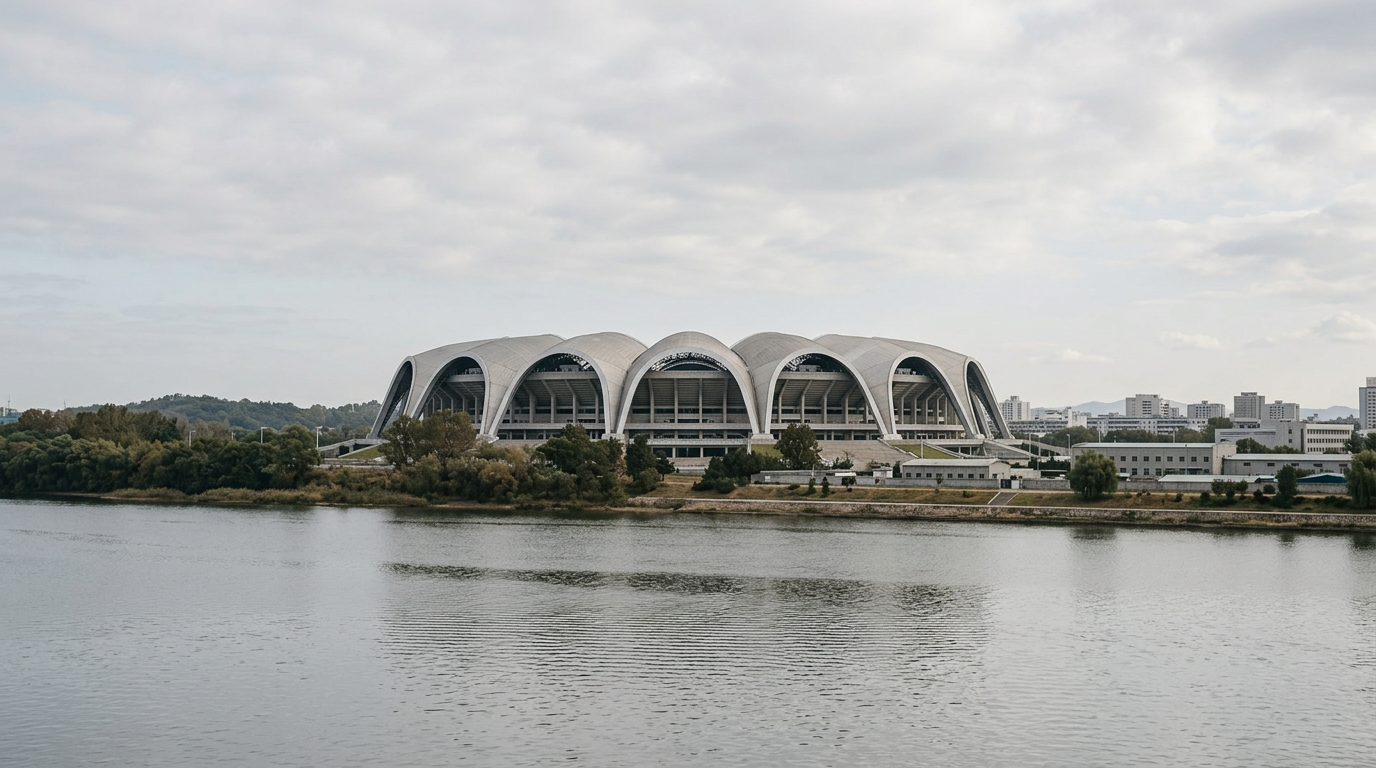
Quick Summary
The largest stadium by official capacity is the Rungrado 1st of May Stadium in Pyongyang, North Korea, with a reported 114,000 seats. This often surprises people, as many assume American college football stadiums or European football grounds would hold the top spot. However, the definition of 'stadium' and how capacity is counted significantly influence these rankings, leading to unexpected contenders.
In a hurry? TL;DR
- 1North Korea's Rungrado 1st of May Stadium is the largest.
- 2Capacity figures can be debated and include non-seated areas.
- 3American college football stadiums often rank high but aren't number one.
- 4Large multi-purpose venues often exceed dedicated sports arenas.
- 5Understanding counting methods is key to definitive rankings.
When you picture the biggest sporting arenas on the planet, your mind might drift to the roaring crowds of a Super Bowl or a Champions League final. Perhaps you imagine the colossal structures of American college football or the historic grounds of European soccer. It’s a natural assumption that the places hosting the most spectators would be found in the traditional powerhouses of global sport.
But the reality is somewhat different, and perhaps more illuminating. The sheer scale of some venues, particularly in certain parts of Asia, redefines what we consider a 'stadium'. These aren't always purpose-built for a single sport, but rather cater to a wide array of events, from mass rallies to athletic competitions.
This discrepancy between expectation and reality prompts a closer look at how we measure these giants. The numbers themselves tell a story, but so does the context behind them. What exactly makes a stadium the 'biggest', and are we always comparing apples with apples?
The Unexpected Champion
The title of the world's largest stadium by official seating capacity belongs not to a glitzy European capital or a bustling American metropolis, but to Pyongyang, North Korea. The Rungrado 1st of May Stadium, constructed in 1989, boasts a staggering reported capacity of 114,000. This colossal structure is primarily used for large-scale events, including the famous Arirang Mass Games, which involve tens of thousands of performers.
Its sheer size often catches people by surprise, especially when compared to other prominent stadiums. While many assume that American college football stadiums, known for their massive student sections and fervent fan bases, would hold the top spots, the Rungrado stadium significantly surpasses even the largest of these.
How We Count Matters
The reason for this discrepancy often boils down to how capacity is defined and measured. When listing the world's biggest stadiums, sources like Wikipedia and various sports statistics sites consistently place the Rungrado stadium at the top. However, it's crucial to understand the nuances.
Some lists might focus solely on seated capacity, while others might include standing room or areas that can accommodate additional spectators for specific events. The Rungrado stadium's figure, for example, is a reported capacity and is often cited for its non-sporting events. If one were to strictly count permanent, individual seats, the figures might shift.
This is a common issue when looking at records and rankings. For instance, claims about the world's biggest stadiums often depend on the source and the criteria used. This echoes how other historical or demographic facts can be surprisingly different depending on the metrics, much like understanding Norwegian ancestry in the United States.
The Contenders and Their Claims
Following the Rungrado stadium, the next highest capacities are often found in different categories:
American College Football Stadiums
These behemoths are designed for American football and draw enormous crowds. Stadiums like Michigan Stadium (Ann Arbor, Michigan), Beaver Stadium (State College, Pennsylvania), and Ohio Stadium (Columbus, Ohio) regularly report capacities exceeding 100,000. Their consistent filling for collegiate games cements their status as among the largest.
However, even these giants often fall just short of the Rungrado stadium's official figure. They are, though, arguably the largest dedicated sports stadiums in terms of continuous use for a single sport by a home team.
Other Global Giants
Beyond North Korea and the US college circuit, other large stadiums exist. India's Narendra Modi Stadium in Ahmedabad, primarily a cricket venue, has a capacity exceeding 132,000, making it the largest cricket stadium and one of the largest overall. However, its seating capacity, when strictly defined, is often cited differently than its maximum accommodated number.
Other large venues include the Melbourne Cricket Ground (Australia) and stadium complexes in other parts of Asia that host a variety of events. These often serve as national or regional centres for significant public gatherings, not just sporting contests.
How to Actually Use This
When you encounter claims about the 'biggest' anything – be it stadiums, cities, or historical facts – always ask clarifying questions:
- What specific metric is being used? (e.g., official seating capacity, maximum possible attendance, area covered).
- What is the primary purpose of the venue? (e.g., dedicated sport, multi-purpose, mass assembly).
- What is the source of the information? (Reputable sports statistics sites, official venue figures, general encyclopaedias).
Comparing different lists of the world's biggest stadiums often reveals these varying criteria. This approach can be applied to all sorts of facts you encounter, ensuring you're getting a clear picture, just as understanding how Oxford is older than the Aztec Empire requires looking beyond simple timelines.
Related Small Talk Reading
Curious about more factual breakdowns? Dive into the facts archive for more verified information. You might also find our articles on today's daily Small Talk or more from the Small Talk blog engaging.
Frequently Asked Questions
Learn something new each day
Daily words, facts and quotes delivered to your phone.
