
Quick Answer
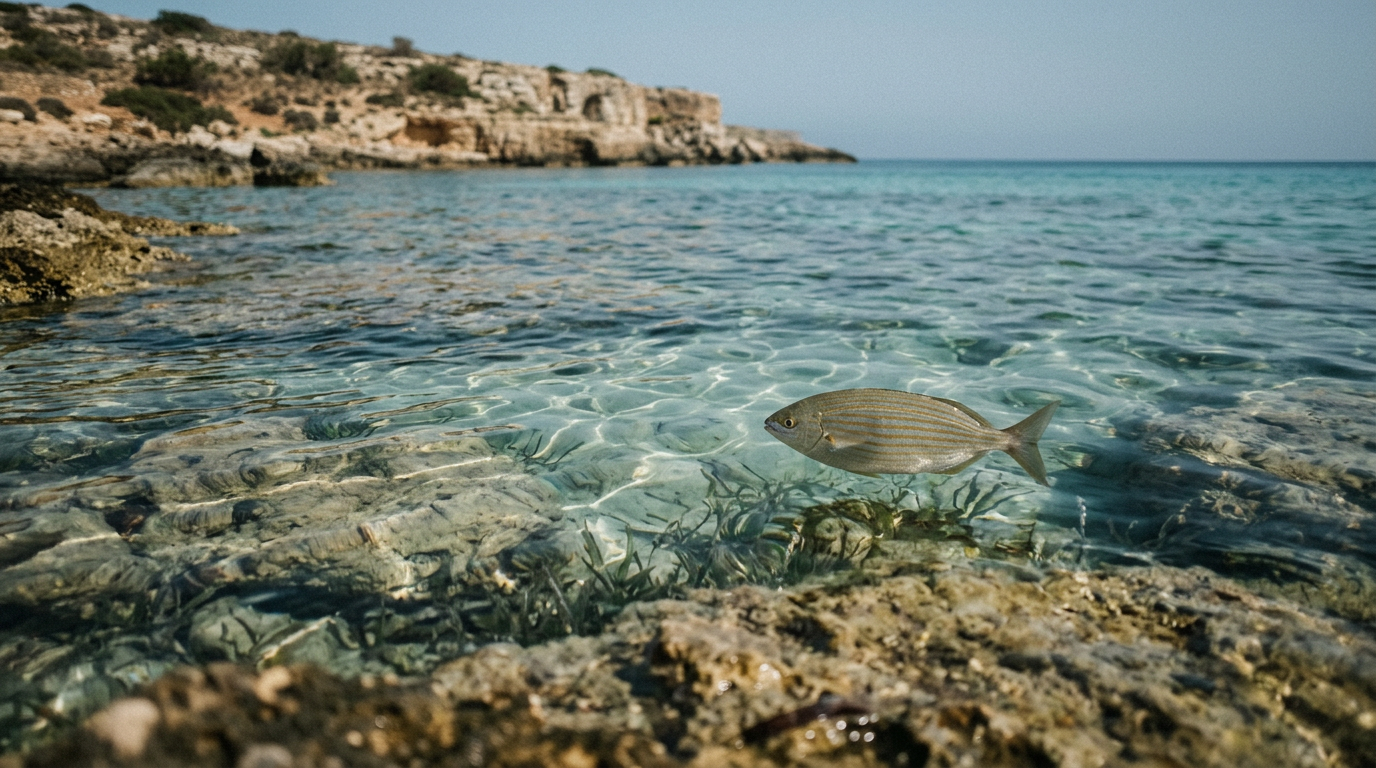
Eating the Salema Porgy fish can induce hallucinations lasting for up to a day and a half. It’s remarkable that the ancient Romans used this very fish for entertainment, unaware of its potent psychoactive effects, which are now understood to stem from toxins in its algal diet affecting the brain.
In a hurry? TL;DR
- 1Salema Porgy, a Mediterranean fish, can cause hallucinations lasting up to 36 hours.
- 2Consuming this fish may trigger vivid, often terrifying auditory and visual delusions.
- 3The hallucinogenic effects are linked to toxins from algae in the fish's diet, not the fish itself.
- 4Historically, Romans consumed Salema Porgy for recreational, psychoactive purposes at banquets.
- 5Accidental ingestion can lead to distressing experiences, unlike the intended Roman use.
- 6Symptoms include nightmares, vertigo, and altered perceptions of reality.
Why It Matters
It's surprising that a common-looking fish from the Mediterranean was used by the Romans for its ability to cause powerful hallucinations lasting for days.
The Salema Porgy is a common Mediterranean fish that acts as a potent hallucinogen when consumed, triggering vivid, often terrifying auditory and visual delusions that can persist for 36 hours. While it looks like a standard sea bream, its chemical profile hides a psychedelic punch known as ichthyoallyeinotoxism.
Key Facts and Figures
- Scientific Name: Sarpa salpa
- Duration of Effect: Up to 36 hours
- Primary Symptoms: Auditory hallucinations, vivid nightmares, vertigo
- Historical Use: Recreational drug in the Roman Empire
- Geographic Range: East Atlantic and Mediterranean Sea
Why It Matters
Understanding the Salema Porgy reveals how a harmless-looking food source can become a neurological disruptor, bridging the gap between ancient Roman hedonism and modern toxicology.
The Roman Party Trick
The Salema Porgy was well-known to the Romans, who reportedly consumed the fish not just for sustenance, but for the psychedelic trip it provided. While most modern encounters with the fish are accidental and distressing, ancient accounts suggest it was served at banquets to induce a dream-like state among guests.
It is one of the few animals capable of inducing ichthyoallyeinotoxism, a rare form of fish poisoning that affects the central nervous system. Unlike the paralytic toxins found in pufferfish, the Salema Porgy leaves the physical body largely intact while the mind descends into chaos.
The Science of the Trip
Researchers believe the hallucinations are not produced by the fish itself, but by its diet. The Salema Porgy feeds on Posidonia oceanica, a type of seagrass, and specific epiphytic algae like Gambierdiscus toxicus.
According to a study published in the journal Clinical Toxicology, these algae produce toxins that accumulate in the fish's head and liver. When humans ingest these specific tissues, the toxins cross the blood-brain barrier. The resulting experience is often described as terrifying rather than euphoric.
In 1994, a 40-year-old man in the French Riviera experienced blurred vision and muscle weakness after eating baked Salema Porgy. By the time he reached the hospital, he was screaming about giant spiders and hearing non-existent animals shrieking. His recovery took a full two days of medical supervision.
Real World Implications
For modern diners, the Salema Porgy represents a significant risk in coastal Mediterranean towns. While the fish is sold in markets, its toxicity is highly seasonal, peaking in late summer and autumn when the toxic algae are most abundant.
- Culinary Risk: The toxins are heat-stable, meaning cooking the fish does not make it safe.
- Diagnostic Confusion: Doctors often mistake the symptoms for acute psychosis or lysergic acid diethylamide (LSD) ingestion.
- Economic Impact: Periodic bans on the sale of Sarpa salpa occur when local authorities detect high levels of toxicity in the water.
Interesting Connections
The term ichthyoallyeinotoxism comes from the Greek words ichthyo (fish) and allyein (to wander or rave). This distinguishes it from ciguatera, another common fish poisoning that causes gastrointestinal distress rather than hallucinations. The Salema Porgy is also distinct from the pufferfish, which contains tetrodotoxin, a substance that kills by paralysis rather than causing one to see imaginary predators.
Can you die from eating Salema Porgy?
While the hallucinations are intense and the physical distress is real, deaths are extremely rare. The primary danger comes from secondary injuries sustained during the hallucinatory period.
Does the whole fish contain the toxin?
The toxins are most concentrated in the head and the visceral organs. However, because the chemicals are fat-soluble, they can leach into the flesh, making the entire animal potentially dangerous during peak algae blooms.
Are there other hallucinogenic fish?
Yes, several species in the Indian and Pacific Oceans, such as certain types of goatfish and rudderfish, are known to cause similar effects, though the Salema Porgy is the most historically documented.
Key Takeaways
- The Salema Porgy induces profound hallucinations that can last for a day and a half.
- The Roman Empire used the fish as a recreational drug during banquets.
- The toxicity is caused by the fish's diet of specific Mediterranean algae.
- Modern cases involve vivid nightmares and auditory delusions, often requiring hospitalisation.
- Cooking the fish does not neutralise the hallucinogenic compounds.
Eating the wrong catch in the Mediterranean doesn't just result in an upset stomach; it can lead to a 36-hour detour through a waking nightmare that hasn't changed since the days of Nero.
Frequently Asked Questions
Sources & References
 WikipediaThis source confirms that Sarpa salpa, commonly known as Salema Porgy or dreamfish, can induce hallucinogenic effects when consumed, a phenomenon referred to as ichthyoallyeinotoxism.en.wikipedia.org
- WikipediaThis source defines ichthyoallyeinotoxism as a rare form of fish poisoning that results in hallucinations and other neurological effects, and lists Sarpa salpa as one of the species associated with it.en.wikipedia.org
- 3National Library of Medicine (PMC)This source describes a clinical case of ichthyoallyeinotoxism following consumption of Sarpa salpa, detailing symptoms such as visual and auditory hallucinations that can last for hours.pmc.ncbi.nlm.nih.gov