
Quick Answer
Restaurant menus can be incredibly germ-ridden, boasting bacteria counts over 185,000 per square centimetre – that's significantly more than a toilet seat! This is a concern because menus are touched by countless hands daily and seldom cleaned, potentially transferring germs to you just before you eat.
In a hurry? TL;DR
- 1Restaurant menus can carry extremely high bacteria counts, far exceeding toilet seats.
- 2Menus are touched by many people daily and rarely disinfected, allowing pathogens to spread.
- 3Common bacteria like E. coli and salmonella can survive on plastic menus for up to 24 hours.
- 4Diners often handle menus before eating finger foods, increasing contamination risk.
- 5Consider using hand sanitizer after handling menus before eating.
- 6Menus are often overlooked in hygiene inspections, despite being highly contaminated.
Why It Matters
It's surprising to learn that restaurant menus can be dirtier than toilet seats due to infrequent cleaning and constant handling.
The average restaurant menu harbours bacterial counts as high as 185,000 per square centimetre, a concentration that significantly exceeds the microbial load found on the typical household toilet seat.
- Contamination: Menus are touched by dozens of people daily but rarely disinfected.
- Pathogens: E. coli, S. aureus, and salmonella are frequently detected on laminated surfaces.
- Longevity: Bacteria can survive on plastic menus for up to 24 hours.
- Risk Factor: Diners often handle menus immediately before touching bread or other finger foods.
Why It Matters: This hygiene gap highlights how our perception of cleanliness is often skewed by social context rather than actual microbial data.
The Microbial Reality of Dining
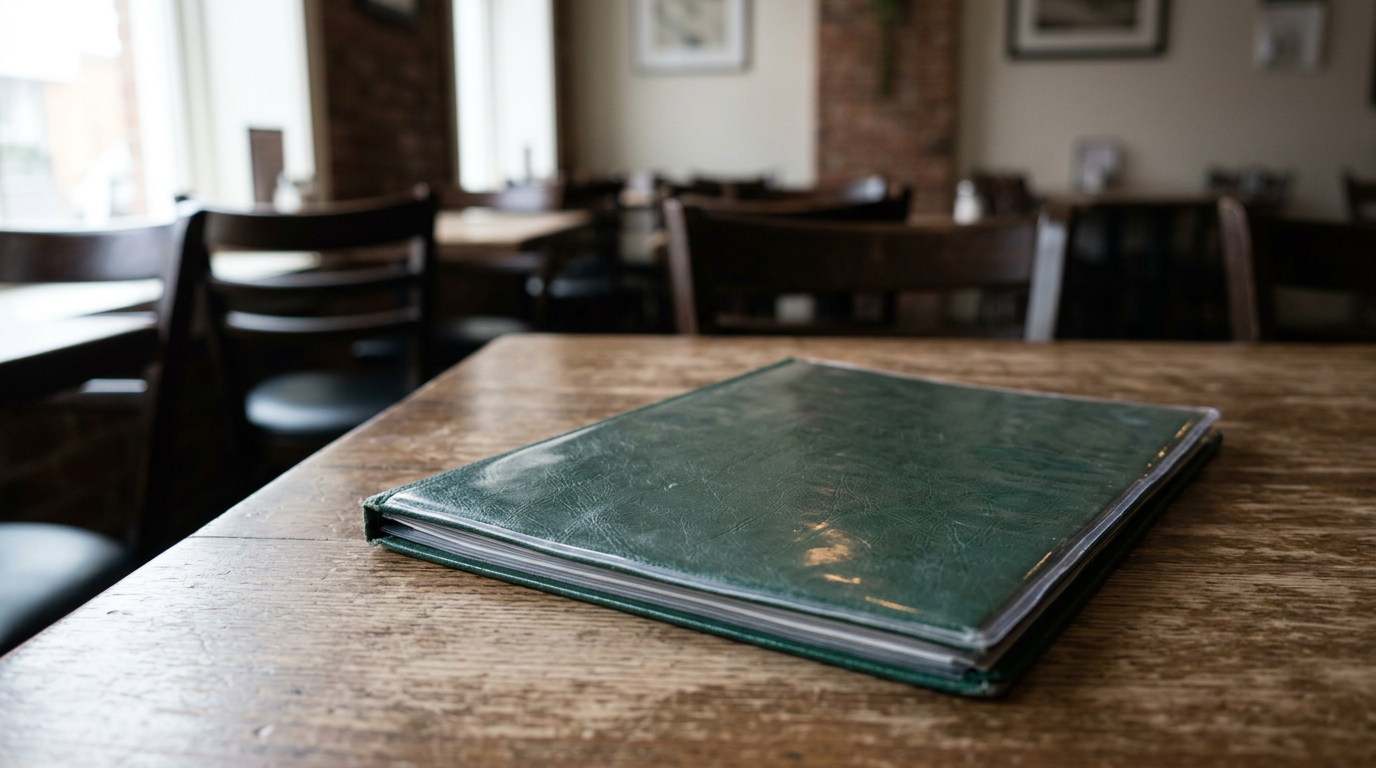
The document you hold before ordering your meal is likely the dirtiest object on the table. While cutlery, glassware, and plates undergo high-temperature industrial washing, the menu is often neglected. According to research published by ABC News and the University of Arizona, these plastic-coated folders are rarely sanitised between users.
Dr Charles Gerba, a microbiologist often referred to as Dr Germ, led studies that identified the menu as the single most contaminated item in the dining environment. His team found that while a toilet seat might host fewer than 100 bacteria per square inch, a restaurant menu can teem with thousands. The disparity exists because toilet seats are perceived as dirty and are cleaned frequently with harsh chemicals, whereas menus are viewed as benign tools of commerce.
Why Menus Are Bacterial Hubs
The primary issue is the material. Most restaurants use laminated paper or plastic covers to protect against food spills. Unlike porous paper, which can trap and kill certain bacteria as it dries, plastic provides a durable stage for microbial colonies to persist.
When a diner sneezes into their hand and then picks up the wine list, they deposit a layer of moisture and microbes. The next diner picks it up, transfers the bacteria to their own hands, and then handles a bread roll. Unlike other high-touch surfaces like door handles, menus are handled for prolonged periods, increasing the surface-to-skin transfer rate.
A study conducted by Good Morning America tested menus at various popular casual dining chains. The results were consistent across the board: menus were consistently the grimiest items, outranking pepper shakers and condiment bottles, which are also notorious for harbouring pathogens.
Beyond the Menu: The Table’s Other Offenders
The menu is the leader in bacterial load, but it isn't the only culprit. Comparison studies show a hierarchy of filth on the typical dining table:
- Lemon Wedges: Studies in the Journal of Environmental Health found that nearly 70 percent of lemons tested at restaurants produced microbial growth.
- Pepper Shakers: These are rarely wiped down and are handled by almost every patron.
- Ketchup Bottles: The caps often harbour sugar-loving bacteria and yeast.
Unlike the kitchen staff, who are required to wash their hands frequently, customers arrive from the street, public transport, or offices, bringing a diverse microbiome to the table.
Practical Applications
Hand Sanitiser Timing: Use hand sanitiser after you have placed your order and the waiter has removed the menu, rather than when you first sit down.
Digital Alternatives: Opt for QR code menus when available. Using your own device eliminates the need to touch a shared physical object.
Edge Handling: If you must use a physical menu, try to hold it by the edges rather than placing your palms flat against the surface.
Wash Before Eating: It sounds elementary, but the simple act of washing hands after ordering—and before the food arrives—is the most effective way to break the chain of transmission.
Interesting Connections
The term fomite refers to any inanimate object that, when contaminated with infectious agents, can transfer disease to a new host. In the late 19th century, before the germ theory of disease was fully understood, people were more concerned about bad air (miasma) than shared objects. Today, our understanding of the microbiome suggests that the objects we touch are far more significant vectors than the air we breathe in a ventilated room.
Interestingly, some high-end restaurants have moved toward single-use paper menus printed daily. While this was originally a move for culinary agility, it serves as a superior hygiene practice compared to the heavy, leather-bound folders of traditional fine dining.
Are digital QR menus actually cleaner?
Yes, because they reside on your personal device. However, your smartphone is often a significant source of bacteria itself. The difference is that you are only exposed to your own microbes, not those of a hundred strangers.
Does the type of restaurant matter?
Price point is not a guarantee of hygiene. High-end restaurants with leather-bound menus may actually have higher bacterial counts than fast-food spots, as leather is harder to sanitise than simple plastic or disposable paper.
Should I be worried about getting sick?
For most people with healthy immune systems, the bacterial load on a menu won't cause immediate illness. However, for vulnerable populations or during peak flu season, the risk of picking up a viral infection is statistically significant.
Key Takeaways
- Microbial Load: Menus can carry 100 times more bacteria than a toilet seat.
- Surface Survival: Viruses can live on laminated menu surfaces for up to 24 hours.
- Cleaning Gap: Front-of-house items like menus are rarely included in strict sanitisation protocols.
- Best Practice: Always wash or sanitise your hands after ordering and before touching your food.