
Quick Answer
Burger King paid for the 2015 wedding of Joel Burger and Ashley King. This brilliant marketing stunt turned a fortunate name coincidence into a memorable promotional event, highlighting how companies can cleverly leverage everyday occurrences. It's a fun example of a brand tapping into serendipity for publicity.
In a hurry? TL;DR
- 1Burger King sponsored the wedding of Joel Burger and Ashley King due to their surname coincidence.
- 2The company covered all wedding expenses, turning a private event into a global marketing success.
- 3The couple's names became a viral sensation after a photo with a Burger King sign was shared online.
- 4This human-interest story generated significant positive brand sentiment for Burger King.
- 5The brand maintained a subtle presence at the wedding, avoiding overt commercialization.
- 6The cost for Burger King was minimal compared to the immense earned media value generated.
Why It Matters
It's surprising and useful that a simple name coincidence could lead a major corporation to fund an entire wedding as a brilliant marketing stunt.
In 2015, a couple from Illinois named Joel Burger and Ashley King gained international fame for their surname-aligned nuptials. The fast-food giant Burger King stepped in to pay for the entirety of their wedding expenses, turning a local coincidence into a global marketing masterclass.
The Burger-King Union
- Names: Joel Burger and Ashley King
- Location: New Berlin, Illinois
- Date: 17 July 2015
- Corporate Sponsor: Burger King Corporation
- Total Contribution: Estimated five-figure wedding costs
Why It Matters
This story represents the ultimate convergence of serendipitous branding and corporate agility, illustrating how a simple name coincidence can transform a private event into a global PR phenomenon.
The Origin of the Burger-King Name
Joel Burger and Ashley King had been known as the Burger-King couple since their primary school days in New Berlin, a small town near Springfield. Despite the hyphenated potential of their names, the two were childhood sweethearts who grew up with the constant ribbing of classmates.
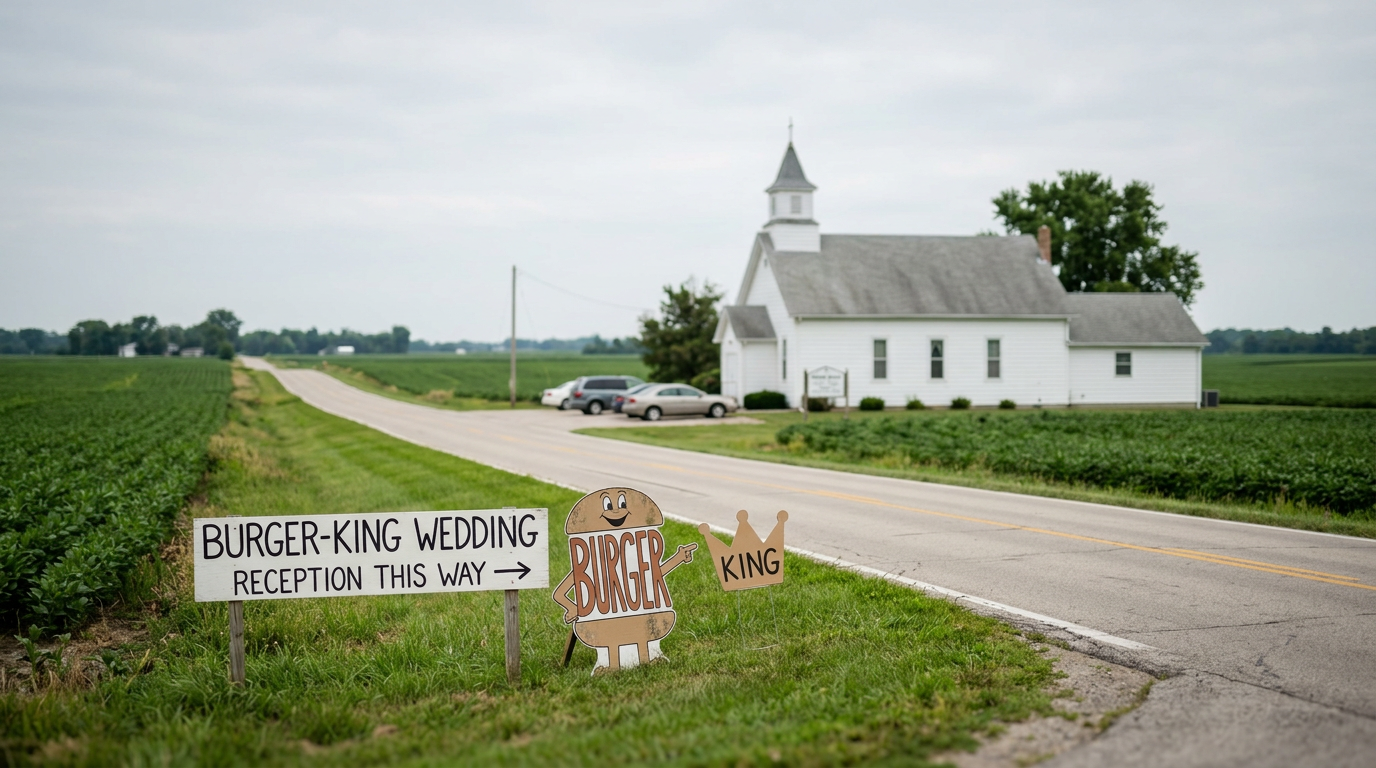
When they announced their engagement, they posed for a photo next to a local Burger King sign. The image quickly migrated from local newspapers to social media, eventually catching the attention of the corporation’s marketing team in Miami.
The Corporate Strategy
In an era where brands struggle for organic engagement, the Burger-King wedding was a gift. The company reached out to the couple via Skype to deliver the news: they would cover every bill, from the catering to the photography.
Unlike traditional celebrity endorsements, this felt genuine to the public. According to marketing analysts at the University of Pennsylvania, these types of human-interest stories generate significantly higher brand sentiment than traditional paid advertising because they leverage existing cultural narratives.
Impact and Execution
The wedding took place in July 2015. While the ceremony remained a traditional affair, the reception featured subtle nods to the sponsor. Guests received 10 USD gift cards tucked inside custom Mason jars, and the groomsmen wore Burger King t-shirts underneath their formal attire.
The brand managed to stay involved without turning the sacred ceremony into a gaudy commercial. This delicate balance is often cited by PR experts as the reason the campaign was so successful. It was a wholesome story that provided a rare moment of levity in the news cycle.
Practical Applications
- Strategic Naming: Companies often look for ways to insert themselves into organic conversations rather than forcing a narrative.
- The Power of Local News: A small-town story can reach a global audience if it contains a universal hook or a recognizable brand.
- Earned Media: This case serves as a primary example of how brands can achieve massive reach by simply being generous in a public-facing way.
Interesting Connections
- Nominative Determinism: The theory that people tend to gravitate towards areas of work or situations that fit their names.
- Brand Mascots: The Burger King character, known as The King, has appeared in various unconventional settings, including Floyd Mayweather’s boxing entourage.
- Shared Surnames: In the UK, it is estimated that fewer than 1,000 people carry the surname Burger, making the pairing with a King statistically improbable.
Did they have to serve fast food at the wedding?
No, the couple was not required to serve Burger King products for their main meal. They opted for a traditional catered dinner, though the brand provided late-night snacks and branded favours.
Did the couple change their names?
Yes, but they bucked tradition slightly. Instead of just taking the husband's name, they officially became Mr. and Mrs. Burger-King, cementing the pun that brought them fame.
Has this happened with other brands?
Yes, brands like Nutella and KFC have occasionally sponsored superfans or people with relevant names, though rarely to the extent of paying for an entire wedding.
Key Takeaways
- Organic Viral Growth: The story started with a single photo in a local newspaper and scaled globally through social sharing.
- Corporate Agility: Burger King’s ability to move from seeing a tweet to signing a cheque in days was crucial.
- Brand Sentiment: The move shifted the perception of the brand from a faceless corporation to a playful participant in a couple's life story.
- Lasting Legacy: Nearly a decade later, the Burger-King wedding remains the gold standard for name-based marketing stunts.
The union of Joel and Ashley proved that sometimes, the most effective marketing strategy is simply to recognise a good joke and pay for the punchline.
Frequently Asked Questions
Sources & References
 WikipediaThis Wikipedia section mentions the Burger King wedding as a notable marketing stunt where the company paid for the wedding of Joel Burger and Ashley King in 2015.en.wikipedia.org
 The New York TimesThis source reports that Burger King offered to pay for the entire wedding of Joel Burger and Ashley King, fulfilling a dream for the Illinois couple whose names coincidentally matched the fast-food chain.nytimes.com