
Quick Answer
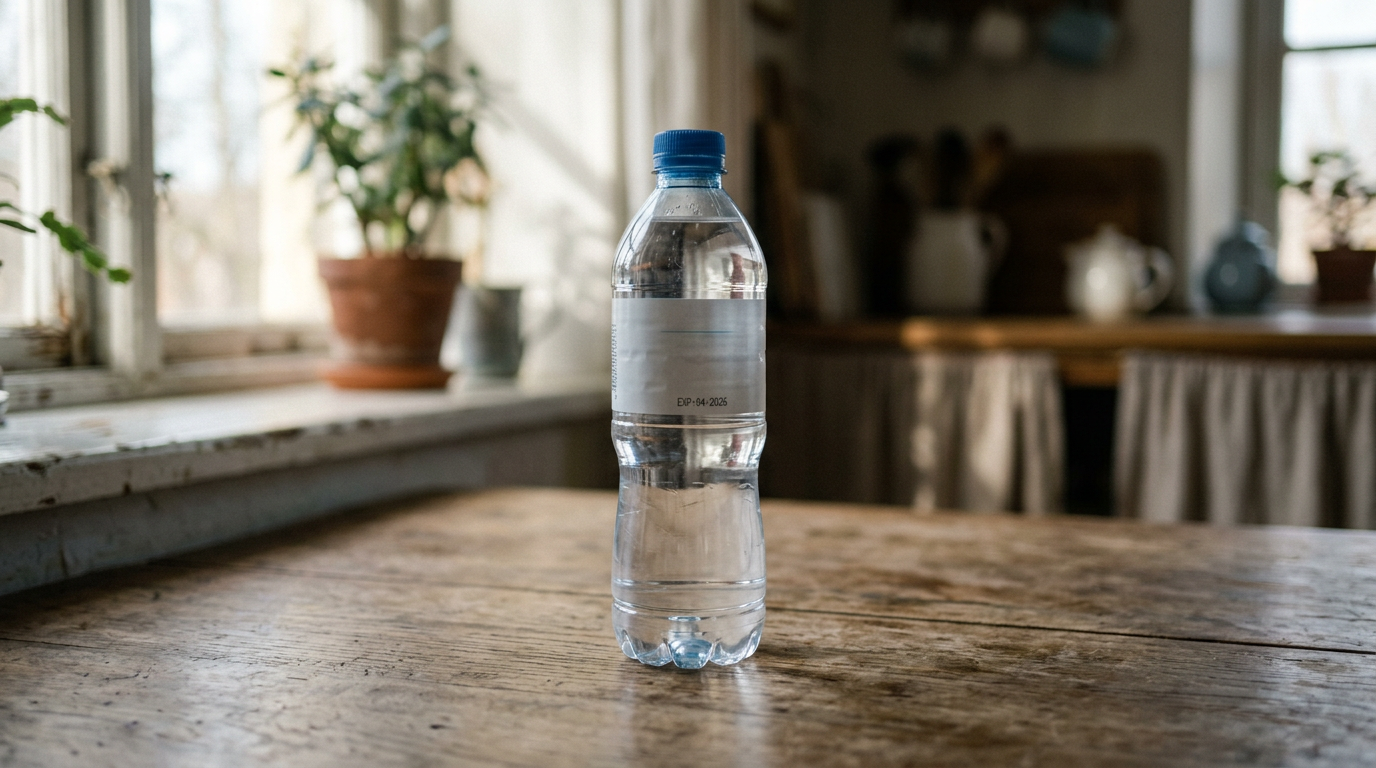
Bottled water has an expiry date because the plastic bottles can degrade. Over time, chemicals from the plastic can leach into the water, especially if stored in heat. This means the "best before" date is really about the packaging, not the water's purity.
In a hurry? TL;DR
- 1Bottled water expiry dates are for the plastic packaging, not the water itself, which is stable.
- 2Plastic bottles leach chemicals like antimony into water over time, especially when exposed to heat or sunlight.
- 3The standard expiry date for bottled water is typically two years from bottling.
- 4Heat significantly accelerates the breakdown of plastic bottles and chemical leaching into the water.
- 5Degrading seals can allow air and bacteria into bottles, affecting taste and potentially safety over long periods.
- 6While the FDA doesn't mandate it, companies use expiry dates for stock management and consistent taste.
Why It Matters
It's surprising that bottled water "expires" not because the water spoils, but because the plastic bottle itself gradually leaks chemicals into the liquid.
Bottled water does not expire because the liquid spoils, but because the plastic container eventually leaches chemicals into the water. While water is chemically stable, the polyethylene terephthalate (PET) used in most bottles is not designed to last forever.
Quick Facts and Figures
- Standard Expiry: Usually 2 years from the date of bottling.
- Primary Material: Polyethylene terephthalate (PET or PETE).
- Heat Sensitivity: Chemical leaching increases significantly at 70 degrees Celsius.
- Microplastic Count: A 2024 study found 240,000 plastic fragments per litre of bottled water.
Why the Date Exists
The expiry date printed on your Evian or Dasani has little to do with the H2O inside. It is a regulatory and manufacturing requirement primarily focused on the integrity of the packaging. Over time, the porous nature of plastic allows outside smells and gases to penetrate the bottle, while the plastic itself begins to break down.
The Science of Leaching
When plastic sits for an extended period, it undergoes a process called leaching. Chemicals like antimony, which is used as a catalyst in PET production, begin to migrate from the container walls into the liquid. While the levels are generally low, they accumulate over time, especially if the bottle is exposed to sunlight or heat.
Researchers at Arizona State University monitored PET bottles in varying temperatures and found that heat significantly accelerates this breakdown. Unlike glass or stainless steel, which are inert, plastic is a reactive medium. The longer the water stays in the bottle, the more it adopts the chemical profile of its housing.
The FDA and Manufacturing Reality
In the United States, the Food and Drug Administration (FDA) does not technically require an expiration date on bottled water. However, most companies include one to manage stock rotation and maintain a consistent taste profile. New Jersey was the only state to ever mandate a two-year expiry date by law, a regulation that was eventually repealed, though the industry standard remains.
Beyond chemical leaching, the seals on plastic bottles are not hermetic. They degrade over months and years, eventually allowing microscopic amounts of ambient air and bacteria to enter. This is why water that has sat in a cupboard for three years often tastes dusty or metallic.
Real World Implications
If you find a five-year-old bottle of water in a cool, dark basement, it is likely safe to drink in an emergency, though it will taste stale. However, a bottle left in a hot car for a week is a different story. High temperatures break down the polymer chains faster, releasing phthalates and bisphenols into the water.
This distinction is crucial for emergency preparedness. Rotating your water supply every two years ensures that you aren't consuming a cocktail of degraded polymers when you actually need hydration.
Is expired bottled water toxic?
Not immediately. The levels of leached chemicals are usually below federal safety limits, but the water will taste significantly different and may contain higher levels of microplastics.
Does glass bottled water expire?
Pure water in a vacuum-sealed glass bottle has a nearly indefinite shelf life. Glass is non-porous and does not leach chemicals, though the seal on the cap may eventually fail.
Can I refill a store-bought plastic bottle?
It is not recommended for long-term use. These bottles are designed for single use; washing them with hot water or abrasive brushes creates microscopic cracks that harbour bacteria and accelerate chemical release.
Key Takeaways
- The expiry date refers to the plastic bottle, not the water itself.
- PET plastic is slightly porous and absorbs outside odours over time.
- Heat is the primary catalyst for chemical leaching and plastic degradation.
- Stock rotation is essential for emergency kits to avoid drinking degraded plastic.
- Microplastics and antimony are the two primary contaminants found in aged bottled water.
Unlike the ancient aquifers the water was sourced from, the plastic meant to carry it is a temporary vessel. If you want a drink that lasts a decade, stick to glass.
Frequently Asked Questions
Sources & References
 WikipediaBackground and contexten.wikipedia.org
 Scientific AmericanScientific research and analysisscientificamerican.com
 BBCReporting and verificationbbc.co.uk
- WikipediaThis source indicates that polyethylene terephthalate (PET) was patented in 1941 by John Rex Whinfield and James Tennant Dickson.en.wikipedia.org