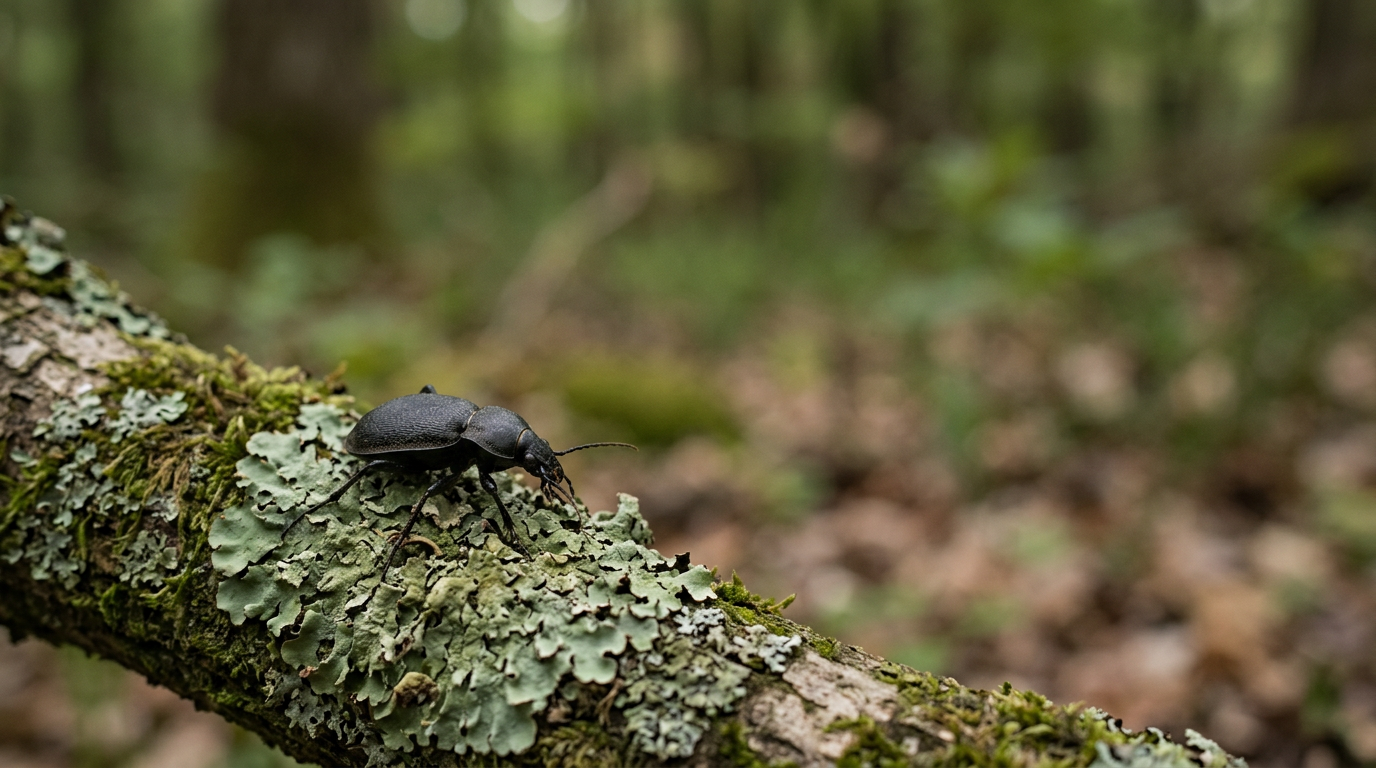
Quick Answer
One in every four animal species known to science is a beetle. This astonishing fact highlights the incredible diversity and evolutionary success of beetles, which significantly outnumber all other animal groups. Their sheer abundance makes them a cornerstone of ecosystems worldwide.
In a hurry? TL;DR
- 1Beetles constitute 25% of all known animal species, with 380,000-400,000 described species.
- 2Beetles' hardened forewings (elytra) provide armor, enabling them to inhabit diverse and harsh environments.
- 3Co-evolution with flowering plants significantly drove beetle diversification and species variety.
- 4Beetles have a vast size range, from microscopic to 17cm long, and exceed the species count of plants and vertebrates combined.
- 5Beetles play crucial ecological roles as pollinators, predators, and decomposers, essential for ecosystem function.
- 6Beetles survived major extinction events, demonstrating their evolutionary resilience and adaptability over 270 million years.
Why It Matters
It's astonishing that a quarter of all known animal species are beetles, largely thanks to their incredible armour-like wings that allow them to thrive in diverse environments.
One out of every four animal species on Earth is a beetle. With nearly 400,000 described species, the order Coleoptera represents a massive chunk of global biodiversity.
The Quarter-Share of Life
If you were to randomly select any known animal species from a hat, there is a 25 percent chance you would pull out a beetle. This sheer volume of variety makes them the most successful architectural design in the history of multi-cellular life.
Vital Statistics
- Total described beetle species: 380,000 to 400,000
- Percentage of all known insects: 40 percent
- Percentage of all known animals: 25 percent
- Oldest beetle fossils: 270 million years ago
- Estimated undiscovered species: 1 million plus
Why the World is Full of Beetles
The evolutionary secret to beetle dominance lies in their wings. Unlike other insects, a beetle’s front wings have evolved into hardened cases called elytra.
These cases protect the delicate flying wings and the abdomen like a suit of biological armour. This allows beetles to inhabit environments that would destroy other insects, such as tight crevices, abrasive soil, and even inside solid wood.
The Smith and Farrell Study
In a landmark 1998 study published in Science, researchers Brian Farrell and Stephen Smith investigated why beetles diversified so much more than their peers. They found a direct correlation between beetle variety and the rise of flowering plants (angiosperms).
As plants evolved new flowers and fruits, beetles evolved specific mouthparts and lifestyles to exploit them. This co-evolutionary arms race allowed beetles to colonize every continent except Antarctica, outperforming almost every other lineage in the animal kingdom.
Engineering Perfection
Beetles range in size from the microscopic featherwing beetle, which is smaller than some single-celled organisms, to the Hercules beetle, which can grow to 17 centimetres in length.
Their physical diversity is so vast that the species count of beetles alone exceeds the total number of plants, fungi, and vertebrates combined. While mammals have roughly 6,400 species, beetles have nearly 60 times that amount.
Global Impact
Beetles are the invisible gears of the ecosystem. They function as pollinators, predators, and the primary waste management crew of the planet. Without dung beetles and carrion beetles, the terrestrial world would be buried under a mountain of waste.
Common Misconceptions
People often confuse beetles with other bugs, but the distinction is clear once you look at the back.
- Beetles vs. True Bugs: True bugs (Hemiptera) have piercing-sucking mouthparts, whereas beetles have chewing mandibles.
- Beetles vs. Cockroaches: While they look similar, cockroaches belong to the order Blattodea and lack the hardened wing cases that define Coleoptera.
- Flight ability: Many people assume beetles cannot fly because of their heavy shells, but most species are highly capable, albeit clumsy, pilots.
What is the most common beetle?
The ladybird (or ladybug) is the most recognisable, but weevil species actually make up the largest family within the beetle order, with over 60,000 types identified.
How many beetle species are discovered each year?
Taxonomists describe approximately 2,000 new beetle species annually, suggesting we have only scratched the surface of their true diversity.
Do beetles live in the water?
Yes, several families, such as Dytiscidae (diving beetles), have evolved to live entirely in freshwater, using their legs as oars and carrying air bubbles under their wing cases like scuba tanks.
Key Takeaways
- Biodiversity Scale: Beetles account for one-fourth of all known animal species on the planet.
- Evolutionary Advantage: Hardened wing cases (elytra) allow them to survive in harsh, protected niches.
- Plant Connection: Their massive diversification was fuelled by the evolution of flowering plants.
- Resilience: They have survived multiple mass extinctions that wiped out more famous lineages.
The next time you spot a beetle, remember you aren't just looking at a bug; you are looking at the most popular design in the history of the animal kingdom.