
Quick Answer
Trailers are called "trailers" because they used to be shown after the main film, literally trailing it. This might seem odd now, as they're always at the start, but this initial placement didn't prove effective. The cinema industry moved them to the front, where they attract audiences, even though the original name remained!
In a hurry? TL;DR
- 1Movie trailers were originally shown after films, hence the name, to encourage repeat visits.
- 2The first trailer was for a 1913 musical; studios began standardizing trailers by 1916.
- 3Placing trailers after movies failed as audiences left immediately after the main feature.
- 4By the late 1930s, trailers moved to the beginning of the film program for a captive audience.
- 5The name 'trailer' is a historical remnant of their original placement at the end.
- 6This shift reflects a change in cinema from continuous entertainment to scheduled events.
Why It Matters
It's surprising that trailers, which we now see before a film, were originally shown afterwards and are named for that very reason.
Movie trailers are named for the simple reason that they originally trailed the feature film. They were promotional shorts that appeared at the very end of a cinema programme rather than at the beginning.
TL;DR
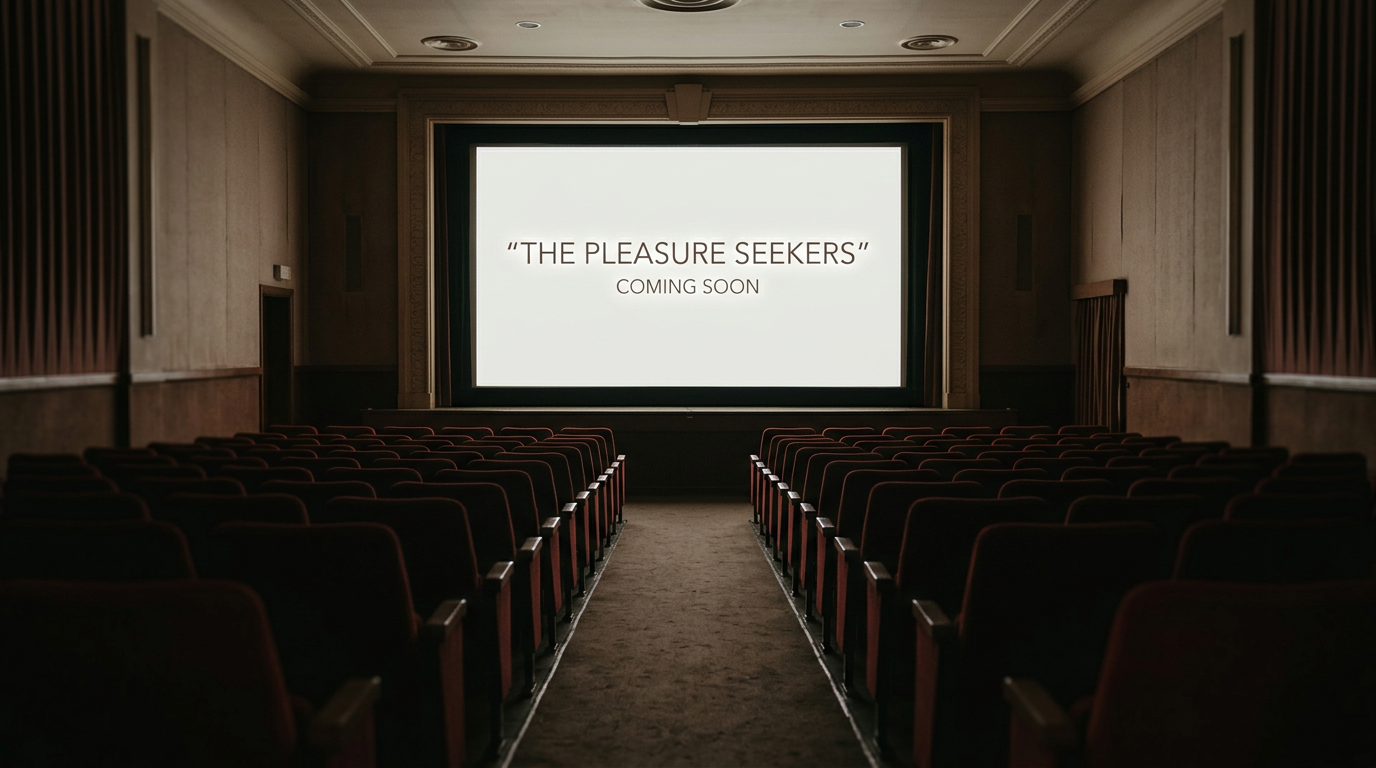
- The first trailer appeared in 1913 for a Broadway musical called The Pleasure Seekers.
- They were positioned after the movie to encourage audiences to return for future releases.
- The practice failed because audiences tended to leave as soon as the main feature ended.
- By the late 1930s, the industry moved them to the start, but the name stuck.
Why It Matters
Understanding the origin of the trailer reveals how much the cinema experience has shifted from a continuous loop of entertainment to a singular, scheduled event.
Key Facts and Timeline
| Year | Milestone |
|---|---|
| 1913 | First recorded trailer for The Pleasure Seekers |
| 1916 | Studios begin creating standard trailers for major releases |
| 1919 | National Screen Service (NSS) founded to centralise trailer production |
| 1930s | The industry-wide shift from the end to the start of the film |
The Birth of the Trailer
In 1913, Nils Granlund, an advertising manager for the Marcus Loew theatre chain, produced a short promotional film for the Broadway play The Pleasure Seekers. He spliced together rehearsals and behind-the-scenes footage to entice audiences.
Unlike today’s high-octane teasers, these early clips were crude and brief. Because they followed the main attraction, they were literally the tail end of the cinematic experience. This placement was intended to keep the audience in their seats for a few extra minutes to sell them on next week’s show.
Why the Format Flipped
The logic of placing advertisements after the film was fundamentally flawed. As soon as the credits rolled—or the plot resolved—the audience simply stood up and walked out. Studios realized they were playing their most valuable marketing assets to empty rooms.
According to film historian Lou Harris, who worked for Paramount’s trailer department, the industry began experimenting with the order of play in the late 1930s. Theatre owners found that if they placed the trailers before the film, they had a literal captive audience.
The Evolution of the Teaser
While the name remained the same, the content evolved from simple clips to complex narratives. Today, trailer houses are independent creative agencies that spend millions of pounds to craft a two-minute experience.
In contrast to the early 1900s, modern trailers often have their own marketing campaigns. We now see teaser trailers, which are trailers for the trailer, further complicating the terminology of what it means to trail a film.
Real-World Implications
The naming convention is one of several cinema terms that have outlived their physical reality. We still say we are filming even though most movies are shot on digital sensors. We still refer to footage, despite the lack of physical feet of celluloid.
The stickiness of the word trailer suggests that once a term enters the professional lexicon, the actual physical mechanics of the industry matter very little to the average consumer.
Why don't we call them leaders or previews?
Preview is used interchangeably in some regions, but trailer became the dominant industry term because of the National Screen Service’s branding and distribution labels.
When did trailers become so loud and fast-paced?
The blockbuster era of the 1970s, specifically with films like Jaws and Star Wars, changed the pacing. Advertisers realised that quick cuts and high-volume scores increased audience heart rates and engagement.
Are trailers still physically attached to the film?
In the era of digital cinema packages (DCP), trailers are separate digital files. However, they are still programmed into a playlist by the theatre manager to run before the main feature file.
Key Takeaways
- Name Origin: They were originally placed at the end of the film reel.
- Human Behaviour: The move to the beginning was a response to audiences leaving early.
- Linguistic Persistence: We continue to use the term despite it being technically inaccurate for 90 years.
- Industry Shift: Trailers evolved from crude rehearsal footage to a multi-billion dollar sub-industry.
If you enjoyed learning about cinema history, check out our guides on why popcorn became the universal movie snack, the secret language of film scores, and the origin of the Hollywood sign.
Frequently Asked Questions
Sources & References
 WikipediaThe term 'trailer' originated because these promotional shorts initially 'trailed' or followed the main feature film in cinemas.en.wikipedia.org
- 2Online Etymology DictionaryThe etymology of 'trailer' in the context of film refers to its original placement after the main feature, dating back to 1918.etymonline.com