
Quick Answer
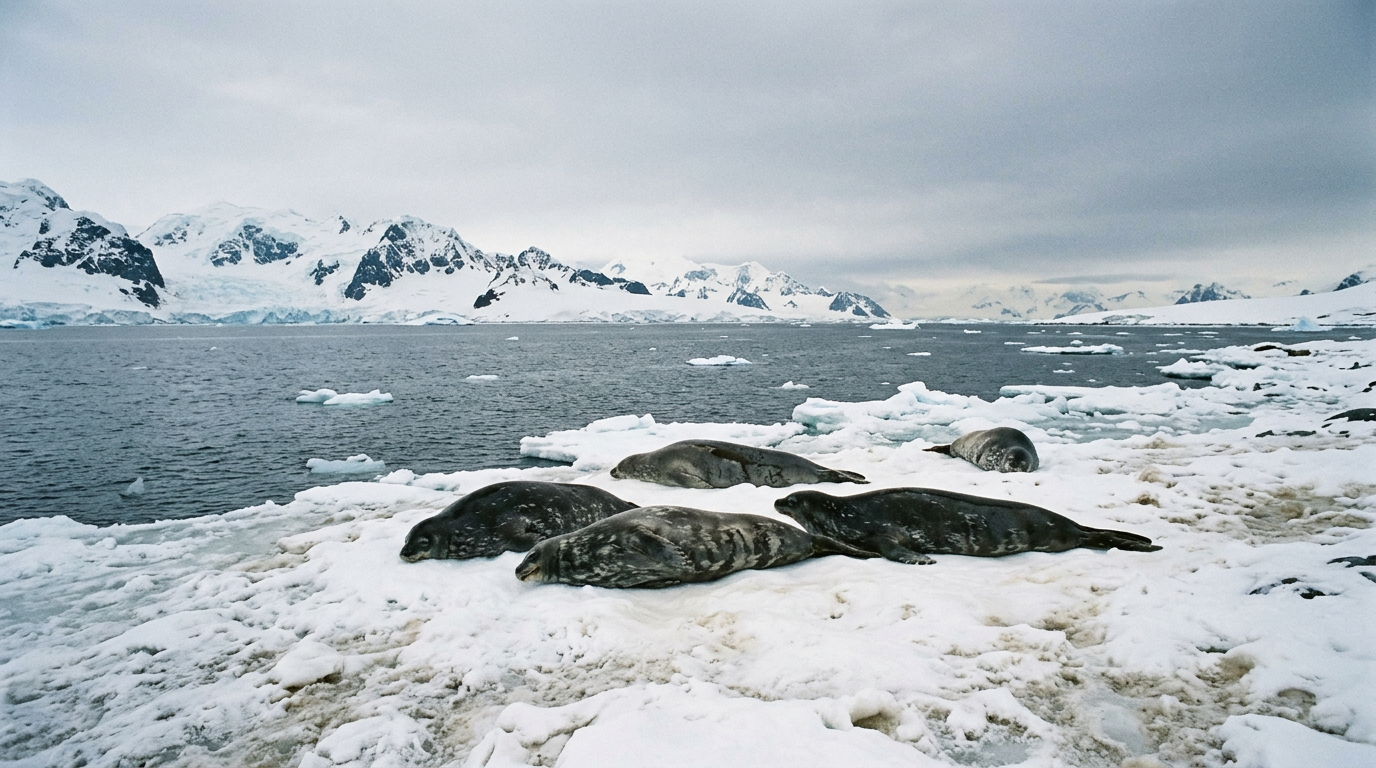
Dogs are banned from Antarctica to protect native seals. Since 1994, no dogs have been allowed there to prevent them from spreading diseases to the seal population. This surprising rule highlights the extreme measures taken to safeguard Antarctica's pristine environment and its precious wildlife.
In a hurry? TL;DR
- 1Dogs were banned from Antarctica in 1994 to prevent disease spread to native seals.
- 2The primary concern was Canine Distemper Virus (CDV) potentially infecting seals lacking natural immunity.
- 3The ban signifies a shift prioritizing environmental protection over traditional exploration methods.
- 4This regulation followed a 1980s seal epidemic in the North Sea caused by a related virus.
- 5All non-native species, including working dogs, were removed under the Madrid Protocol.
- 6The end of the sled dog era replaced historical exploration traditions with biological security.
Why It Matters
It's surprising that a disease that affects dogs could lead to their complete ban from Antarctica to protect the seals.
Dogs were officially banned from the Antarctic continent in 1994 to prevent the transmission of canine diseases, specifically canine distemper, to native seal populations. This environmental mandate ended a century-long era of canine exploration on the frozen continent.
- Official Ban Date: 1 April 1994
- Primary Threat: Canine Distemper Virus (CDV)
- Legal Framework: The Protocol on Environmental Protection to the Antarctic Treaty
- Affected Species: Primarily Crabeater and Weddell seals
Why It Matters: This regulation represents one of the most significant shifts in polar conservation, prioritising biological integrity over the traditional tools of human exploration.
The End of the Sled Dog Era
The presence of dogs in Antarctica was once synonymous with exploration. From the legendary runs of Roald Amundsen to the logistical operations of the British Antarctic Survey, huskies were the primary engines of sub-zero travel. However, the signing of the Madrid Protocol in 1991 marked a hard pivot toward total environmental preservation.
The treaty demanded the removal of all non-native species that were not humans. While the ban was technically about broader ecological impact, the specific catalyst was the horrifying prospect of a canine-borne epidemic decimating Antarctic wildlife.
The Distemper Threat
The primary scientific concern involved Canine Distemper Virus (CDV). In the late 1980s, a massive outbreak of a related morbillivirus killed nearly 20,000 harbour seals in the North Sea. This event served as a grim warning to researchers regarding how quickly a land-based virus could jump to marine mammals.
Unlike Arctic seals, which have had peripheral contact with land predators for millennia, Antarctic seals evolved in total isolation. They lack the natural immunity required to survive an introduction of common domestic pathogens. According to researchers at the Australian Antarctic Division, the risk of cross-species contamination was deemed too high to justify the continued presence of working dogs.
Impact on Conservation
The ban was not universally popular at the time. Many explorers argued that dogs were safer and more environmentally friendly than heavy, fuel-leaking snowcats. Despite these objections, the Antarctic Treaty System prioritised the precautionary principle.
Since 1994, Antarctica has remained a massive biological laboratory where the entry of foreign microorganisms is strictly policed. This level of quarantine is unique; in contrast to the Arctic, where dogs remain a vital part of indigenous culture and transport, the Antarctic is a strictly regulated vacuum.
Practical Applications
Modern Antarctic logistics have adapted to the dogless reality in several ways:
- Mechanical Transport: Researchers use modified PistenBullys and snowmobiles which, while requiring fuel, do not pose a biological risk to seals.
- Air Logistics: Fixed-wing aircraft and helicopters now handle the deep-field deployments that once took dog teams months to complete.
- Scientific Integrity: The absence of domestic animals ensures that any viruses or bacteria found in seal colonies are native to the region, not artifacts of human presence.
Interesting Connections
- Husky Heritage: Many of the last Antarctic huskies were descendants of dogs used in the 1925 Serum Run to Nome, Alaska.
- Symbolic Statues: A statue of a sled dog stands at the Japanese Syowa Station, commemorating the dogs left behind during a forced evacuation in 1958.
- Space Analogy: The strict biological protocols in Antarctica are often compared to planetary protection guidelines used by NASA to prevent Earth microbes from contaminating Mars.
Are there any animals allowed in Antarctica?
No land mammals are permitted. The only non-native species allowed are humans, and even then, their presence is strictly regulated to prevent the introduction of invasive plants or insects.
What happened to the dogs when the ban started?
The remaining dog teams were transported to the Northern Hemisphere. Most were sent to working kennels in Canada and the United States, where their genetic lineage as cold-weather working dogs could be preserved.
Are there exceptions for service dogs?
The Madrid Protocol is incredibly strict. Unlike standard city regulations, there are no provisions for service animals or pets of any kind to ensure the absolute protection of the native fauna.
Key Takeaways
- Pathogen Prevention: The ban was designed to stop the spread of Canine Distemper Virus to vulnerable seal populations.
- Legal Mandate: The 1991 Madrid Protocol required all non-native species to be removed by April 1994.
- Biological Isolation: Antarctic wildlife lacks the evolutionary history to survive common domestic diseases.
- Technological Shift: The removal of dogs forced an accelerated reliance on mechanical and aerial transport for polar research.
The frozen silence of the Antarctic interior is no longer broken by the howl of a husky, a small price to pay for the continued health of the millions of seals that call the ice home.