
Quick Answer
During the filming of Tokyo Drift, the crew illegally shot a scene in a busy Tokyo intersection. The studio then cleverly hired a stand-in to get arrested as the director, letting the real director off scot-free. This just goes to show how far Hollywood will go to keep their productions rolling, even if it means bending the rules and playing a little bit of real-life trickery.
In a hurry? TL;DR
- 1Filmed illegally in Shibuya Crossing, Tokyo, without a permit for Tokyo Drift.
- 2Universal Pictures hired a 'fall guy' to pose as director Justin Lin and be arrested.
- 3The stand-in spent one night in jail, allowing the actual director to avoid consequences.
- 4This incident highlights aggressive, high-stakes guerrilla filmmaking by major studios.
- 5Tokyo's strict regulations and lack of centralized filming permits necessitate such tactics.
- 6The studio deemed the cost of a subordinate's arrest acceptable for visual authenticity.
Why It Matters
It's fascinating how the film's producers were so determined to capture an authentic Tokyo street scene that they essentially employed a scapegoat to take the blame and spend a night in jail.
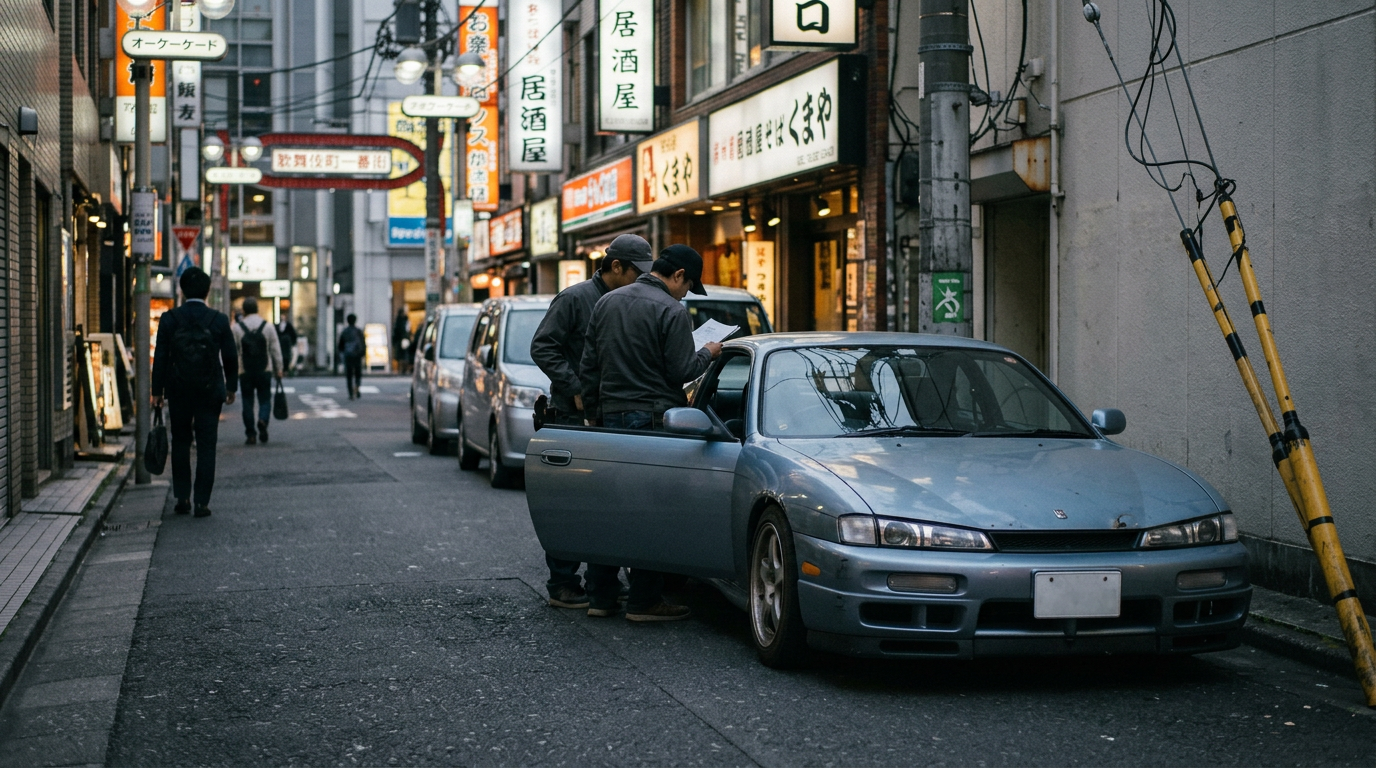
The Fast and the Furious: Tokyo Drift production crew deliberately defied Japanese authorities by filming in Shibuya Crossing without a permit, then hired a fall guy to pretend to be the director and get arrested in Justin Lin's place.
Why It Matters
This incident reveals the aggressive, high-stakes nature of guerrilla filmmaking. It shows that for major Hollywood studios, the cost of a criminal record for a hired subordinate is sometimes just another line item in the production budget to ensure visual authenticity.
The Shibuya Stunt by the Numbers
- Location: Shibuya Crossing, Tokyo (The world's busiest pedestrian intersection)
- Penalty: One night in Japanese jail for the fall guy
- Director: Justin Lin (Who avoided arrest)
- Film Budget: 85 million USD
- Release Year: 2006
The Midnight Run in Shibuya
When Justin Lin set out to film the third installment of the Fast and Furious franchise, he wanted the authentic neon grit of Tokyo. However, Japan is notoriously difficult regarding film permits, especially in high-traffic areas like Shibuya. Unlike London or New York, where bureaucratic paths for street closures are well-established, Tokyo authorities rarely grant permission for disruptive action sequences.
The crew was flatly denied a permit to film in the heart of the city. Universal Pictures, faced with the choice of using a green screen or breaking the law, chose the latter. They moved into the intersection, began filming illegally, and waited for the inevitable arrival of the police.
The Role of the Fall Guy
Universal was prepared for the police intervention. According to various production interviews and a retrospective by Digital Spy, the studio hired a person specifically to claim they were the director. When the Tokyo Metropolitan Police arrived to shut down the set and make an arrest, this individual stepped forward.
While Justin Lin continued working, his body double was hauled off to a holding cell. He spent the night in jail, maintaining the ruse that he was the man in charge of the unsanctioned shoot. This allowed the genuine creative team to keep their records clean and continue production without being deported or barred from the country.
Cultural Resistance to Filming
The difficulty Lin faced was not unique. According to industry experts at the Tokyo Film Commission, the city lacks a centralised filming authority, meaning a single 100-metre shot might require signatures from dozens of individual business owners and separate police precincts.
In contrast to cities like Los Angeles, where filming is a primary industry, Tokyo's local government traditionally prioritises public order over commercial cinema. This friction created a trend in the early 2000s where Western directors felt forced into guerrilla tactics to capture the city's unique aesthetic.
Practical Applications of Guerrilla Cinema
Filmmakers often use these high-risk tactics when the visual pay-off outweighs the legal fees.
- Authenticity: Nothing replaces the organic movement of 2,500 people crossing a street at once.
- Budget Efficiency: Sometimes the fine for filming without a permit is cheaper than the cost of a legal street closure.
- Speed: Guerrilla shoots allow a crew to get in and out before a crowd forms or police can react.
Did Justin Lin ever get in trouble for this?
No. Because the fall guy successfully convinced the police he was the director, Lin remained unidentified during the incident and was able to finish the film and return for several sequels in the franchise.
was the fall guy paid extra?
While specific contract details remain private, industry standards for stunt performers and high-risk extras include hazard pay. In this case, the hazard was a criminal record and a night in a Japanese cell.
Where else was Tokyo Drift filmed?
Due to the permit issues, much of the film was actually shot in Los Angeles. Moving through the clever use of lighting, signage, and set dressing, parts of Little Tokyo and various LA parking garages were transformed to look like the Japanese capital.
Key Takeaways
- The Tokyo Drift crew deliberately ignored Japanese law to film in Shibuya Crossing.
- A dedicated fall guy was hired to take the heat and spend a night in jail.
- This tactic was used as a workaround for Tokyo’s notoriously strict and decentralised permit system.
- The incident highlights the lengths studios will go to for on-location authenticity.
Authenticity in cinema is often bought with more than just money; sometimes it requires a willing warm body to sit in a jail cell while the cameras keep rolling elsewhere.