
Quick Answer
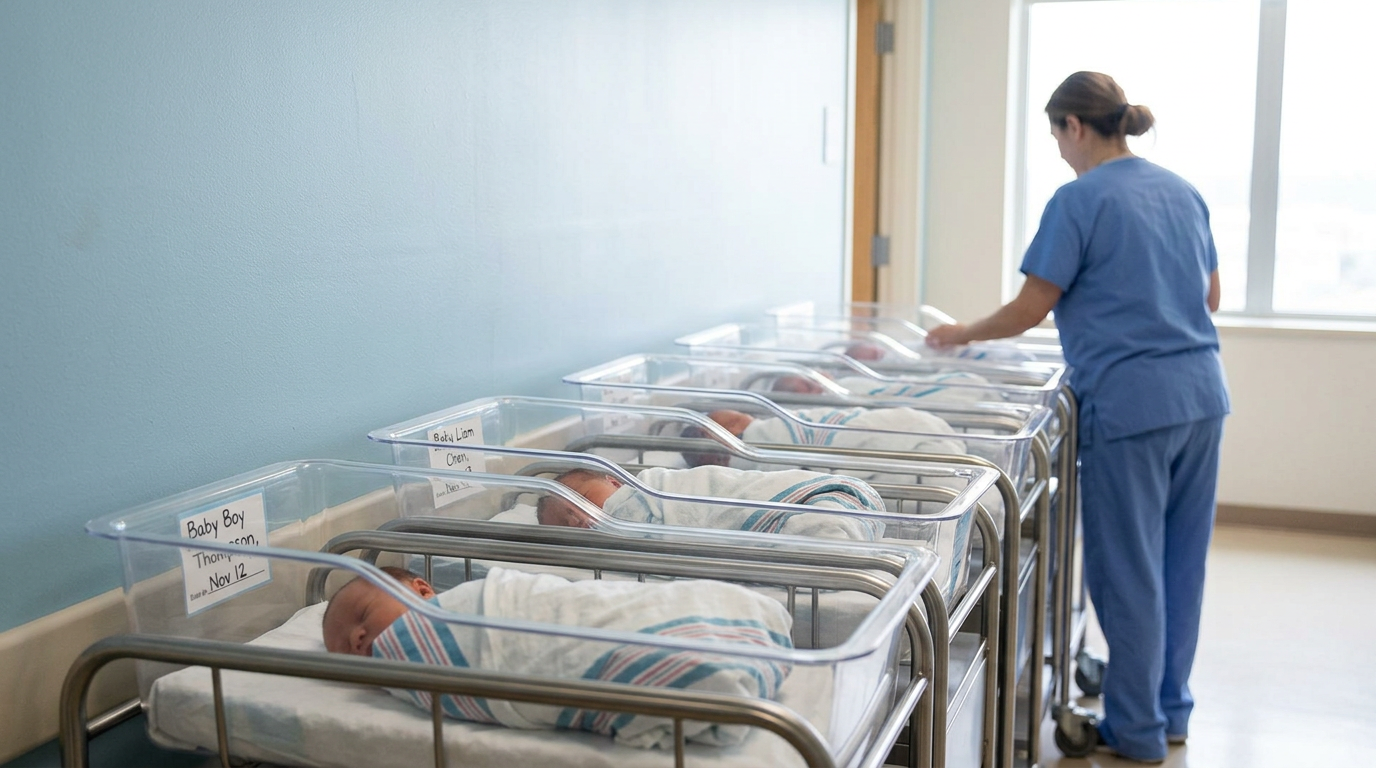
More baby boys are born during and after wars, a curious effect called the Returning Soldier effect. This intriguing phenomenon suggests that, on a biological level, nature might be subconsciously trying to repopulate by favouring male births to compensate for men lost in conflict.
In a hurry? TL;DR
- 1A "Returning Soldier effect" shows a rise in male births after major wars, with historical data confirming this trend post-WWI and WWII.
- 2The birth ratio of boys to girls increases during and immediately after periods of significant conflict and male population loss.
- 3Evolutionary biologists theorize this may be a self-regulating mechanism to replenish male populations depleted by warfare.
- 4One hypothesis links the effect to returning servicemen being more robust, with taller men statistically fathering more sons.
- 5Another theory suggests increased conception timing upon soldier return, favoring male births due to hormonal or ovulatory cycle factors.
- 6This phenomenon hints at biological adaptations to large-scale population shifts and stressful environmental conditions.
Why It Matters
It's surprising that major wars can actually impact the sex ratio of newborn babies.
The Returning Soldier effect refers to a statistical phenomenon where the proportion of male births increases significantly during and immediately following major wars. While the natural sex ratio at birth is typically around 105 boys for every 100 girls, this figure spikes in nations that have experienced heavy combat.
- Historical Peak: Birth rates for boys surged in several European nations immediately following World War I and World War II.
- Theoretical Cause: Researchers suggest the effect may be linked to the timing of conception and hormonal shifts in returning servicemen.
- Statistical Consistency: The trend was first documented in 1898 and has been observed in data from the UK, US, Germany, and France.
- Biological Mechanism: Some evolutionary biologists believe it is a self-regulating mechanism to replace male populations lost in battle.
Why It Matters: This phenomenon suggests that human biology may have an unconscious, adaptive response to large-scale population shifts and environmental stress.
The Origins of the Observation
The Returning Soldier effect was first identified by physician E.R. Dawson at the tail end of the 19th century, but it gained scientific credibility through the analysis of birth registries following the Great War.
According to data published by the Royal Statistical Society, the proportion of male births in Britain rose sharply in 1919, the year after the war ended. This was not a minor fluctuation. Similar spikes were recorded across the Atlantic; US Census data showed a notable rise in the male-to-female birth ratio following 1945.
Unlike other demographic shifts that can be explained by migration or policy, the Returning Soldier effect appears to be a biological response to the conditions of war itself.
The Evolutionary Hypothesis
The most compelling explanation for this shift comes from evolutionary biologist Satoshi Kanazawa and other researchers who study sex determination. The leading theory suggests that soldiers who survive battle are, on average, taller and more physically robust.
Because taller men are statistically more likely to father sons, the survival of these specific individuals changes the genetic output of the population. However, this is only one piece of the puzzle.
Another theory focuses on the timing of conception. Studies published in the Journal of Theoretical Biology suggest that during periods of separation, couples are likely to have more frequent intercourse immediately upon the soldier's return.
Conception that occurs earlier in the female ovulatory cycle is more likely to result in a male child. In contrast to more stable periods where intimacy is distributed evenly across the month, the honeymoon period of a returning soldier creates a biological window that favours boys.
Hormonal Influences and Environmental Stress
Research conducted by Valerie Grant at the University of Auckland suggests that maternal dominance and testosterone levels play a role in sex determination. War creates a high-stress environment where women often take on more dominant roles in the absence of men.
Higher follicular testosterone levels in mothers have been linked to a higher probability of conceiving a son. Furthermore, the hormonal profile of men returning from high-intensity combat undergoes significant shifts.
Unlike the gradual changes seen in peacetime, the sudden transition from life-threatening stress to domestic safety may trigger physiological conditions that favour Y-chromosome sperm. This suggests that the body effectively counts the cost of war and attempts to balance the scales.
Real-World Implications
This effect is more than a historical curiosity; it influences how demographers predict population recovery following conflicts.
- Resource Allocation: Governments must account for a larger male cohort entering the school system and workforce two decades after a war.
- Marriage Markets: Significant shifts in the sex ratio can lead to marriage squeezes, where one gender significantly outnumbers the other in a specific age bracket.
- Healthcare Planning: Pediatric and maternal health services often adjust for the specific needs of a male-heavy birth spike.
Does this happen in every war?
It is most visible in large-scale modern conflicts where a significant portion of the male population is mobilised and then returns home simultaneously. Small-scale or asymmetrical conflicts show less pronounced effects.
Is it true that more boys are born during stressful times?
Not necessarily. Direct environmental stressors like famines or natural disasters often result in more female births. The Returning Soldier effect is unique because it specifically involves the return of men from combat.
Can parents influence this themselves?
No. The effect is a macro-statistical trend. Individual couples cannot reliably use the "returning soldier" logic to choose the sex of their child.
Key Takeaways
- Statistical Reality: Birth registries consistently show a higher ratio of male births during and after major wars.
- Timing is Everything: Frequent intercourse following a long absence may naturally favour male conception.
- Survival Bias: The theory that taller, healthier soldiers survive and pass on their traits is a major contributing factor.
- Hormonal Shifts: High-stress environments and the subsequent return to safety alter the chemical balance of both parents.
Internal links to explore: The Science of Reproductive Selection How War Reshapes Modern Demographics The 105:100 Birth Ratio Explained
The Returning Soldier effect remains one of the most intriguing intersections of sociology and biology, proving that even our most intimate beginnings are influenced by the tides of history.
Frequently Asked Questions
Sources & References
- 1Royal Statistical SocietyThis study published by the Royal Statistical Society reviews statistical evidence and hypotheses related to the 'Returning Soldier Effect', including data from the UK after World War I.rss.onlinelibrary.wiley.com
- 2Parkinson's disease and pesticides: an updateThis journal article proposes a hypothesis related to the timing of conception within the female ovulatory cycle as a potential mechanism explaining the 'Returning Soldier effect'.pubmed.ncbi.nlm.nih.gov