
Quick Answer
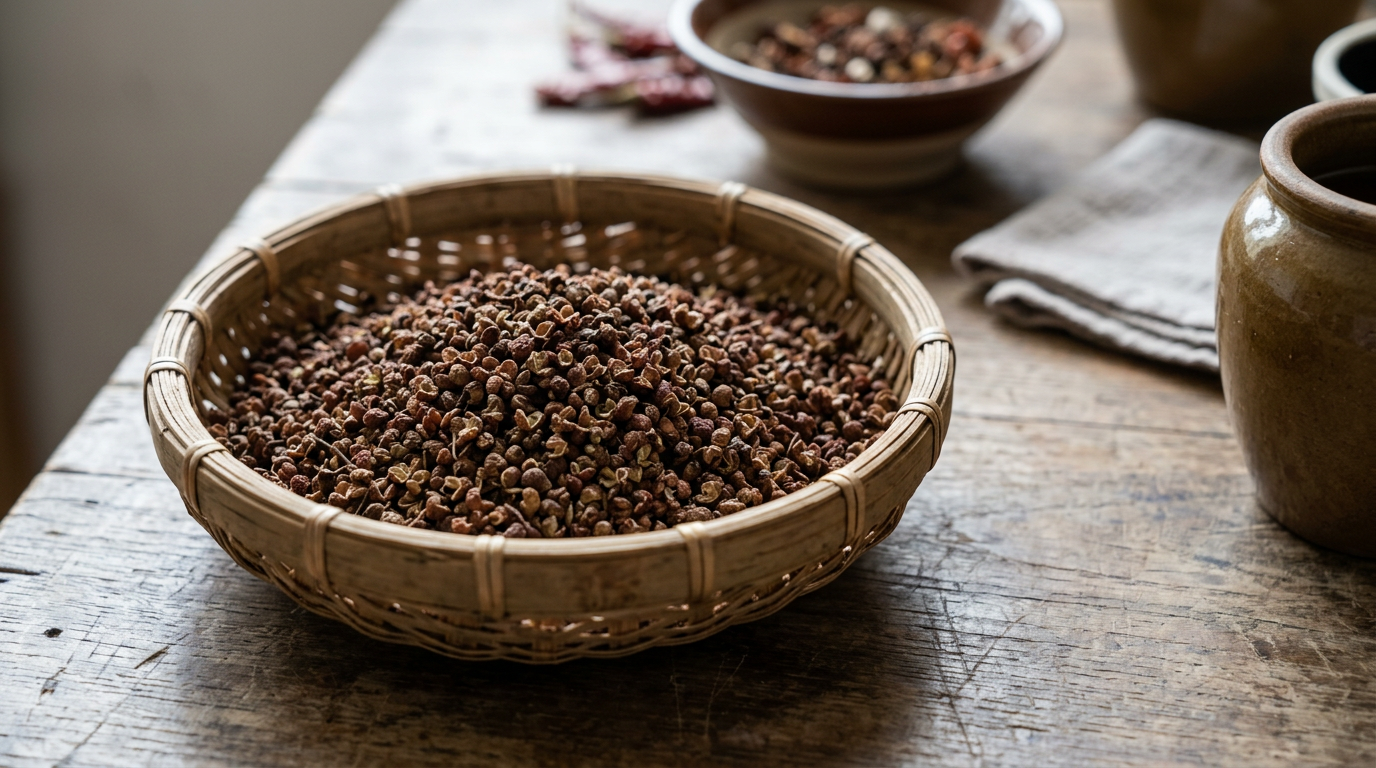
Sichuan peppercorns give your tongue a unique, electrifying tingle by messing with your nerves. They block tiny channels in your nerve cells, forcing them to fire constantly, which tricks your brain into feeling a buzzing, almost electric sensation. It’s a fascinating way spices can play with our senses.
In a hurry? TL;DR
- 1Sichuan peppercorns 'electrify' your tongue by blocking potassium channels in neurons, causing continuous firing and a vibrational sensation.
- 2The active molecule, hydroxy-alpha-sanshool, mimics a 50 Hertz vibration, stimulating touch receptors rather than taste buds.
- 3This numbing effect (paresthesia) prevents nerve 'reset' signals, creating a buzzing sensation interpreted by the brain.
- 4Sichuan peppercorns are from the citrus family, contributing to their distinct lemony aroma.
- 5In Sichuan cuisine, the numbing 'Ma' effect complements spicy 'La' from chillies, enhancing flavor perception and heat tolerance.
- 6The chemical numbing allows diners to better appreciate the nuanced flavors of chilies without being overwhelmed by pure heat.
Why It Matters
Sichuan peppercorns create a unique mouth-tingling sensation by physically interfering with your nerves, similar to how an electric current works.
Sichuan peppercorns do not actually provide heat; instead, they hijack your nervous system to simulate a physical vibration. They contain a molecule called hydroxy-alpha-sanshool that blocks potassium channels in your sensory neurons, forcing them to fire continuously and creating a sensation akin to an electric shock.
Key Facts and Numbers
- Frequency: 50 Hertz (the same frequency as many power grids)
- Active Molecule: Hydroxy-alpha-sanshool
- Sensory Classification: Paresthesia (a tingling or numbing sensation)
- Culinary Term: Ma (meaning numbing, paired with La for spicy heat)
- Ban History: 1968 to 2005 (US import ban due to citrus canker concerns)
The Physics of Flavour
When you eat a Sichuan peppercorn, you are not experiencing a taste in the traditional sense. You are experiencing a tactile illusion. While chillies rely on capsaicin to trigger heat receptors, the Sichuan peppercorn targets the Meissner’s corpuscles. These are the tactile sensors in your skin usually reserved for detecting delicate vibrations and light touch.
Research from University College London published in the journal Proceedings of the Royal Society B found that the tingling sensation specifically mimics a frequency of 50 Hertz. To prove this, researchers applied the peppercorn extract to the lips of volunteers and then used a mechanical vibrator to match the frequency. The participants consistently identified the 50Hz vibration as the closest match to the chemical numbing.
The Neuron Hack
The mechanism behind this is surprisingly aggressive. Hydroxy-alpha-sanshool inhibits specific two-pore potassium channels (KCNK) in the neurons. Under normal circumstances, these channels act as a reset switch for the nerve, allowing it to rest after firing.
By clogging these channels, the peppercorn prevents the nerve from resetting. The result is a sensory neuron that remains stuck in the on position. Your brain, receiving a constant stream of frantic signals from the tongue, interprets this neurological traffic jam as a buzzing, electric numbness.
The Ma-La Synergy
In Sichuan cuisine, this numbing effect is rarely used in isolation. It is paired with the searing heat of dried chillies to create the Ma-La profile. This is more than just a culinary preference; it is a functional combination.
The numbing effect of the peppercorn increases the tongue's sensitivity to other textures and temperatures. By temporarily deadening the pain receptors that respond to chilli heat, the peppercorn allows the diner to experience the depth and fruitiness of the peppers without being overwhelmed by the initial burn.
Real-World Applications
- Dental Relief: In various rural cultures, crushed peppercorns are applied to the gums to provide temporary relief from nerve pain.
- Sensory Marketing: Some beverage companies have experimented with sanshool extracts to create a tingling mouthfeel in sparkling drinks without traditional carbonation.
- Neurological Research: Scientists use sanshool to study how touch receptors communicate with the brain, using the spice as a chemical probe to isolate specific nerve pathways.
Is the Sichuan peppercorn related to black pepper?
No. Black pepper comes from the Piper nigrum vine, whereas Sichuan peppercorns are the husks of seeds from the prickly ash tree, a member of the citrus family.
Why does water taste metallic after eating them?
The lingering vibration on your tongue distorts the way your taste buds perceive minerals in water. Because your neurons are still firing from the sanshool, the neutral taste of water is filtered through a layer of static.
Can you be allergic to the numbing sensation?
While rare, some people may have a sensitivity to the citrus family. However, the numbing itself is a universal biological reaction to the chemical compound, not an allergic response.
Key Takeaways
- The sensation is a tactile illusion, not a taste or a burn.
- Hydroxy-alpha-sanshool is the active ingredient that blocks potassium channels.
- The tongue vibrates at a specific frequency of 50 Hertz during consumption.
- The peppercorn belongs to the citrus family, unrelated to black or chilli peppers.
- It was banned in the United States for nearly 40 years to protect citrus crops.
Sichuan peppercorns do not ask your permission to be tasted; they simply seize control of your nervous system and turn the volume up until the world starts to buzz.
Frequently Asked Questions
Sources & References
 NatureHydroxy-alpha-sanshool, the active molecule in Sichuan peppercorns, inhibits specific two-pore potassium channels (KCNK) in neurons.nature.com
- 2Royal Society PublishingResearch found that the tingling sensation from Sichuan peppercorns is perceived as a specific vibratory frequency.royalsocietypublishing.org
 The New York TimesSichuan peppercorns were subject to an import ban in the US from 1968 to 2005 due to concerns about citrus canker.nytimes.com