
Quick Answer
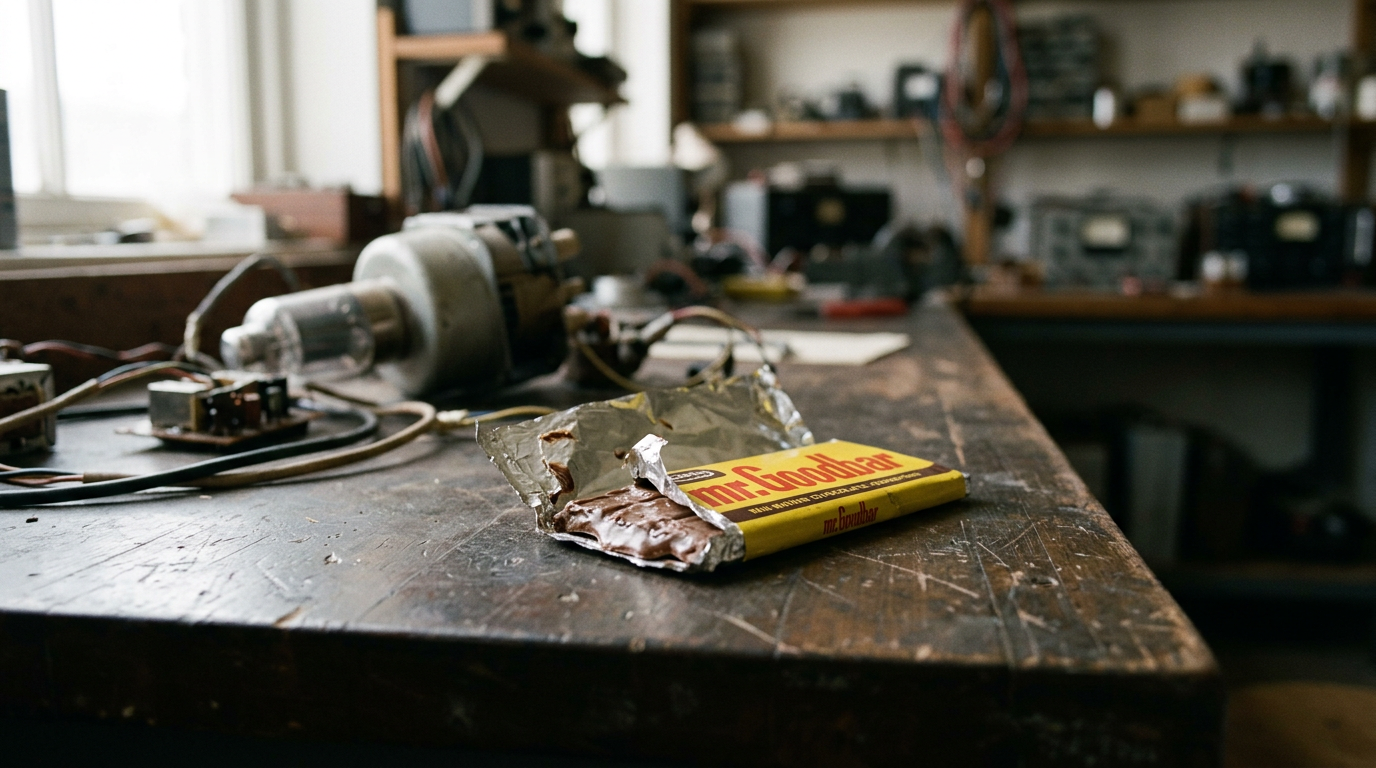
Microwaves were invented by accident when an engineer's chocolate bar melted in his pocket during radar experiments. This chance observation, born from wartime technology, led to the creation of a kitchen appliance that utterly revolutionised how we cook, making meals incredibly quick and easy for billions worldwide.
In a hurry? TL;DR
- 1Accidentally discovered: Engineer Percy Spencer noticed a chocolate bar melt in his pocket due to radar equipment.
- 2Mechanism: Microwaves heat food by causing water molecules to vibrate rapidly, creating friction and heat.
- 3Early models were huge: The first microwave oven, the Radarange (1947), was nearly six feet tall and weighed 750 pounds.
- 4Revolutionized cooking speed: Microwaves drastically reduced cooking times from hours to minutes by heating food internally.
- 5From military tech to kitchen staple: Microwave technology pivoted from radar research to become a key kitchen appliance.
- 6Early cost was prohibitive: The first commercial microwave cost about $5,000, making it inaccessible for most households.
Why It Matters
It's fascinating that the humble microwave oven, now a kitchen staple, was born from a happy accident involving melting chocolate and military radar technology.
In 1945, Raytheon engineer Percy Spencer was standing next to an active magnetron when he realised his snack had turned into a mess. The microwave oven was not the result of a culinary quest, but a byproduct of military radar research.
TL;DR
- Discovery: Percy Spencer noticed a Mr. Goodbar melting in his pocket near radar equipment.
- Technology: High-frequency radio waves cause water molecules to vibrate, creating heat.
- First Model: The 1947 Radarange was nearly six feet tall and cost roughly 5,000 dollars.
- Speed: It reduced cooking times from hours to minutes by heating food from the inside out.
Why It Matters
The microwave represents the ultimate accidental pivot, turning a vacuum tube designed to spot Nazi bombers into an appliance that defines the modern kitchen’s efficiency.
Quick Facts and Figures
- Discovery Year: 1945
- First Commercial Model: 1947 (The Radarange)
- Original Height: 5 feet 11 inches
- Original Weight: 750 pounds
- Power Output: 1,600 watts (roughly double a modern home unit)
From Radar to Popcorn
While working at Raytheon during World War II, Percy Spencer was testing magnetrons, the vacuum tubes that produce the microwave radiation used in radar systems. He noticed that a chocolate bar in his pocket had liquefied despite the room being cool. Unlike his colleagues who might have just changed their trousers, Spencer saw a thermal opportunity.
He immediately began experimenting with other foods. First came popcorn kernels, which became the world’s first microwave-popped snack right there in the lab. Next was an egg, which famously exploded in the face of a curious colleague. Spencer realized that the low-density energy of the magnetron was exciting the molecules within the food, causing rapid kinetic friction.
The Engineering of Heat
Microwaves work through dielectric heating. The oven emits non-ionizing electromagnetic radiation, typically at a frequency of 2.45 gigahertz. This specifically targets polar molecules, primarily water. Because these molecules have a positive and negative end, they attempt to align themselves with the rapidly alternating electric field.
This oscillation happens billions of times per second. The resulting molecular friction generates heat, which then spreads to the rest of the food. In contrast to a conventional oven, which relies on conduction to move heat from the outside in, the microwave penetrates the outer layers of food to start the process nearly simultaneously throughout.
The Evolution of the Radarange
Raytheon filed the first patent for the microwave cooking process in 1945 and released the Radarange two years later. These early units were massive, water-cooled behemoths intended for restaurants and ocean liners. They were too large and far too expensive for the average household.
It took another two decades for the technology to shrink. By the late 1960s, the development of smaller, air-cooled magnetrons allowed for the countertop models we recognise today. According to the Bureau of Labor Statistics, by 1997, over 90 percent of American households owned a microwave, completing the transition from military secret to domestic staple.
Modern Applications
- Instant Sterilisation: Labs use microwave technology to quickly sterilise equipment or dry samples without the wait times of traditional autoclaves.
- Plasma Generation: Industrial microwaves can create plasma for etching silicon chips in the semiconductor industry.
- Chemical Synthesis: Chemists use microwave-assisted synthesis to speed up reactions that previously took days, reducing them to minutes.
How did they know it was safe to use?
Extensive testing by Raytheon and later regulatory bodies confirmed that as long as the oven door is sealed, the non-ionizing radiation stays contained. It does not make food radioactive; it simply makes the molecules move faster.
Why don't microwaves brown food like ovens?
Conventional ovens use dry, high-heat air to trigger the Maillard reaction, the chemical process that browns food and creates complex flavours. Microwaves rarely reach the temperature necessary for this because they are limited by the boiling point of water.
Did Percy Spencer get rich from the invention?
Raytheon paid Spencer a symbolic two-dollar bonus for his patent, a standard practice for corporate engineers at the time. However, he remained a highly respected executive at the company until his death.
Key Takeaways
- Discovery: Percy Spencer’s melted chocolate bar in 1945 led to the first microwave.
- Origin: The core component, the magnetron, was originally a military radar tool.
- Mechanism: Heat is generated by vibrating water molecules at 2.45 billion times per second.
- Adoption: It took 30 years to move from a 750-pound industrial machine to a common kitchen appliance.
- Legacy: Spencer proved that the most disruptive innovations often happen when you pay attention to the accidents.
Frequently Asked Questions
Sources & References
 History.comThis article describes how Percy Spencer discovered the heating effects of microwaves when a chocolate bar melted in his pocket while working with radar equipment, leading to the invention of the microwave oven.history.com
 BritannicaThis article explains the operating principles of a microwave oven, detailing how microwave radiation heats food by causing water molecules to vibrate.britannica.com