
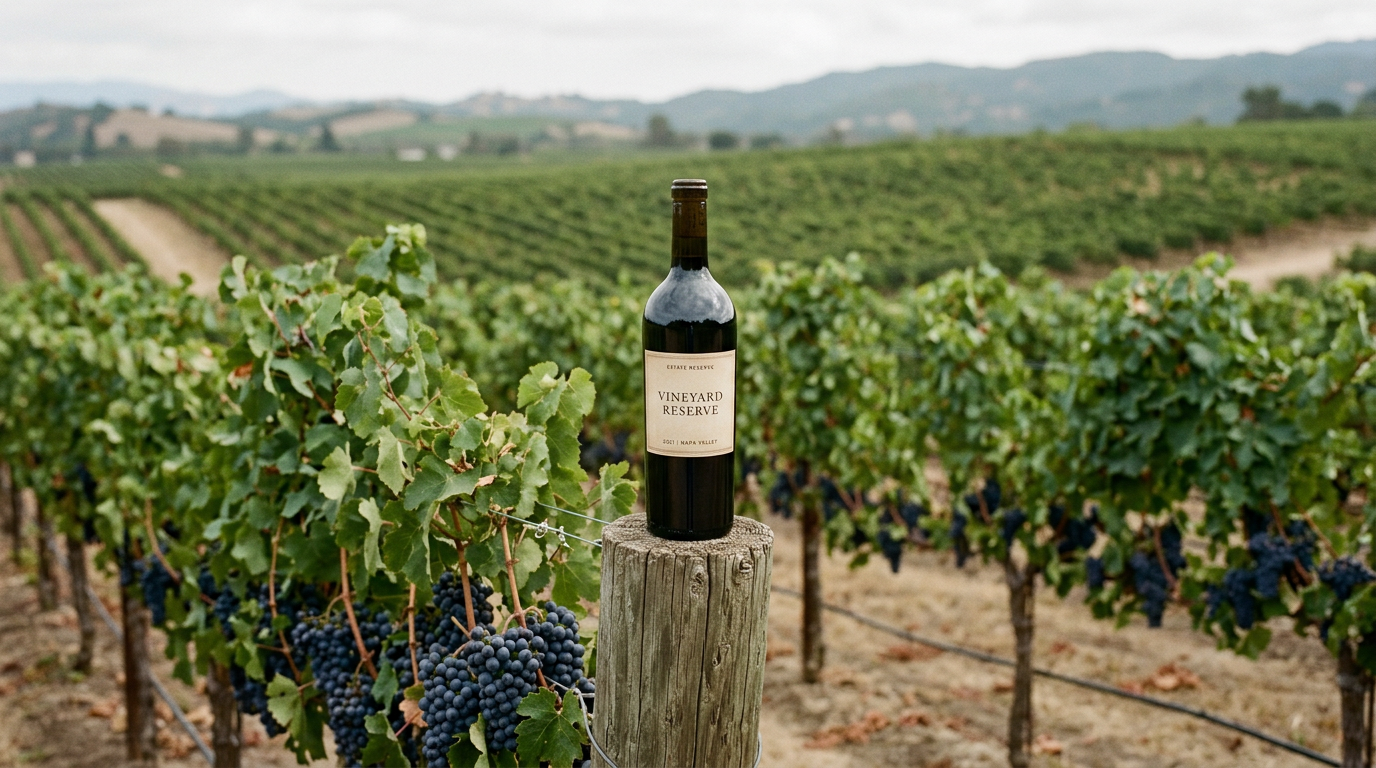
Quick Answer
Producing just one bottle of wine requires an astounding 600 to 800 grapes. This substantial quantity highlights the significant amount of agricultural effort and resources involved, making it clear why factors like weather can hugely influence a wine's final cost and availability. It's a lot of hard work in every glass!
In a hurry? TL;DR
- 1A 750ml bottle of wine requires 600-800 grapes, translating to 1.2-1.6 kg of fruit.
- 2One wine vine typically yields enough grapes for only 2-4 bottles.
- 3Winemakers aim for a ~70% juice extraction rate to avoid bitter tannins from seeds and stems.
- 4Grape variety and desired wine style influence the exact number of grapes needed per bottle.
- 5Lower grape yields per vine often lead to more concentrated and superior wine flavors.
- 6Climate fluctuations significantly impact wine pricing due to the high agricultural resource intensity.
Why It Matters
It's surprising that a single bottle of wine represents the concentrated effort of so many individual grapes, explaining its vulnerability to agricultural challenges.
A standard 750ml bottle of wine requires approximately 600 to 800 individual grapes to produce. This equates to roughly 1.2 to 1.6 kilograms of fruit for every single bottle sitting on a merchant shelf.
The Numbers Behind the Pour
The volume of fruit required highlights the intense concentration of resources needed for viticulture compared to other agricultural products.
- Grape Count: 600 to 800 grapes per bottle
- Fruit Weight: 1.2 to 1.6 kg (roughly 2.6 to 3.5 lbs)
- Vines Required: One vine typically produces 2 to 4 bottles
- Clusters: An average of 5 to 10 clusters per bottle
- Fluid Ounces: 25.4 oz per standard bottle
Why It Matters
Understanding the sheer volume of fruit per glass reframes wine not as a simple beverage, but as a massive agricultural reduction, explaining why climate fluctuations have such a volatile impact on pricing.
The Physics of the Press
The specific number of grapes fluctuates based on the variety of the grape and the desired style of the wine. Small, thick-skinned grapes like Cabernet Sauvignon have a lower juice-to-skin ratio, meaning more berries are required to fill a bottle compared to juice-heavy varieties like Thompson Seedless.
According to data from the University of California, Davis, Department of Viticulture and Enology, the extraction rate usually hovers around 70 percent. The remaining 30 percent consists of skins, seeds, and stems, known as pomace.
This extraction process is a delicate balance. If a winemaker presses too hard to get more juice out of those 800 grapes, they risk releasing bitter tannins from the seeds. Quality wine often requires a higher grape count because producers opt for a gentle first press, sacrificing volume for purity.
Agricultural Constraints
The yield is also dictated by the age of the vine and the region's laws. In prestigious regions like Burgundy or Rioja, regulations often limit how many tonnes of grapes a farmer can harvest per hectare.
Lower yields typically result in more concentrated flavours. When a vine has fewer clusters to feed, it directs all its nutrients and sugars into those specific berries. This is why a bottle that used 800 smaller, concentrated grapes often tastes superior to one that used 600 bloated, water-heavy ones.
Real World Implications
The math of the harvest explains why environmental factors are so orous. If a late frost destroys 20 percent of a vineyard, it doesn't just reduce the harvest; it deletes thousands of potential bottles instantly.
Unlike beer, which relies on grains that can be stored and transported, wine is tethered to the perishable nature of the grape harvest. If the 800 grapes required for your bottle are caught in a hailstorm, there is no backup plan for that vintage.
Interesting Connections
The word vintage comes from the Old French vendage, which simply means the action of harvesting grapes.
Historically, the Romans used foot-treading to extract juice. While it seems inefficient, the human foot is actually the perfect tool for the job. It is soft enough to crush the grape skins without breaking the bitter seeds, ensuring that those 800 grapes only contribute their best attributes to the final liquid.
Does white wine use more grapes than red?
Generally, no. However, because red wine is fermented with the skins, the volume of solids in the tank is higher. White wine is pressed before fermentation, meaning only the clear juice is used, which can sometimes require a slightly higher grape count to reach the same liquid volume.
How many grapes are in a single glass?
Typically, one glass of wine contains the juice of about 150 to 200 grapes. This varies depending on the size of the pour and the grape variety.
Does expensive wine use more grapes?
Not necessarily more grapes by weight, but often more vines. High-end producers often practice fruit thinning, where they cut perfectly good grapes off the vine and let them drop to the ground. This ensures the remaining grapes are of the highest possible quality.
How much wine does one grape produce?
A single grape provides about half a teaspoon of juice. This is why it takes hundreds of them to fill a standard 750ml bottle.
Key Takeaways
- Weight: A bottle of wine is the liquid essence of nearly 1.5kg of fruit.
- Concentration: It takes roughly 5 to 10 clusters of grapes to make one bottle.
- Efficiency: About 30 percent of the grape's mass is lost during the pressing and fermentation process.
- Quality: The best wines often come from vines that are forced to produce fewer grapes, resulting in higher flavour density.
The next time you pull a cork, look at the bottle and imagine the weight of 800 grapes. You aren't just drinking juice; you are drinking the highly compressed result of an entire season of sunlight and soil.