
Quick Answer
Only 75 sumo wrestlers have ever attained yokozuna, the absolute pinnacle of the sport. This extreme rarity makes achieving yokozuna a momentous occasion, often sparking nationwide excitement and extensive media coverage in Japan. It truly underscores the immense dedication and skill required to reach this esteemed status.
In a hurry? TL;DR
- 1Only 75 wrestlers have reached Yokozuna, sumo's highest rank, since the 1700s, making it incredibly exclusive.
- 2Promotion requires winning two consecutive tournaments or equivalent merit, judged by a council on performance and character (hinkaku).
- 3Yokozuna is a lifetime title, but poor performance (failing to win a majority of bouts) strongly pressures retirement.
- 4Unlike other ranks, Yokozuna cannot be demoted, creating a high bar to entry and a quick exit for those who falter.
- 5The title signifies cultural stewardship and is treated as a national importance when a promotion occurs, especially a Japanese-born one.
- 6Sumo's governing body prioritizes an 'unworthy' champion over having no champion at all, reflecting the rank's immense prestige.
Why It Matters
The rarity of reaching yokozuna, sumo's highest rank, highlights a unique sporting tradition where dignity and cultural embodiment are as crucial as athletic prowess.
Since the official inception of the rank in the 1700s, only 75 men have ever attained the title of yokozuna. It is the only rank in professional sumo that cannot be lost due to poor performance; instead, a struggling grand champion is expected to retire with dignity.
The Most Exclusive Club in Sport
- Total Appointees: Only 75 wrestlers since the Edo period.
- Promotion Criteria: Must win two consecutive tournaments (yusho) or a performance of equivalent merit while holding the second-highest rank.
- Tenure: For life, though performance dips necessitate immediate retirement.
- Current Status: Japan recently ended a multi-year drought without a Japanese-born yokozuna, treating the move as a matter of national importance.
Why It Matters: The yokozuna is not just an athlete but a living embodiment of the Shinto deity, acting as a cultural steward for a 1,500-year-old tradition.
The Barrier to Entry
In the world of elite sports, few titles are as statistically gate-kept as the yokozuna. While there are hundreds of Hall of Famers in baseball and dozens of Formula 1 world champions, the line of sumo grand champions moves at a glacial pace.
Unlike the lower ranks of ozeki or sekiwake, which are determined by win-loss ratios over a few tournaments, yokozuna promotion is decided by the Yokozuna Deliberation Council. This body evaluates more than just physical dominance. They look for hinkaku—a combination of dignity, grace, and mental fortitude.
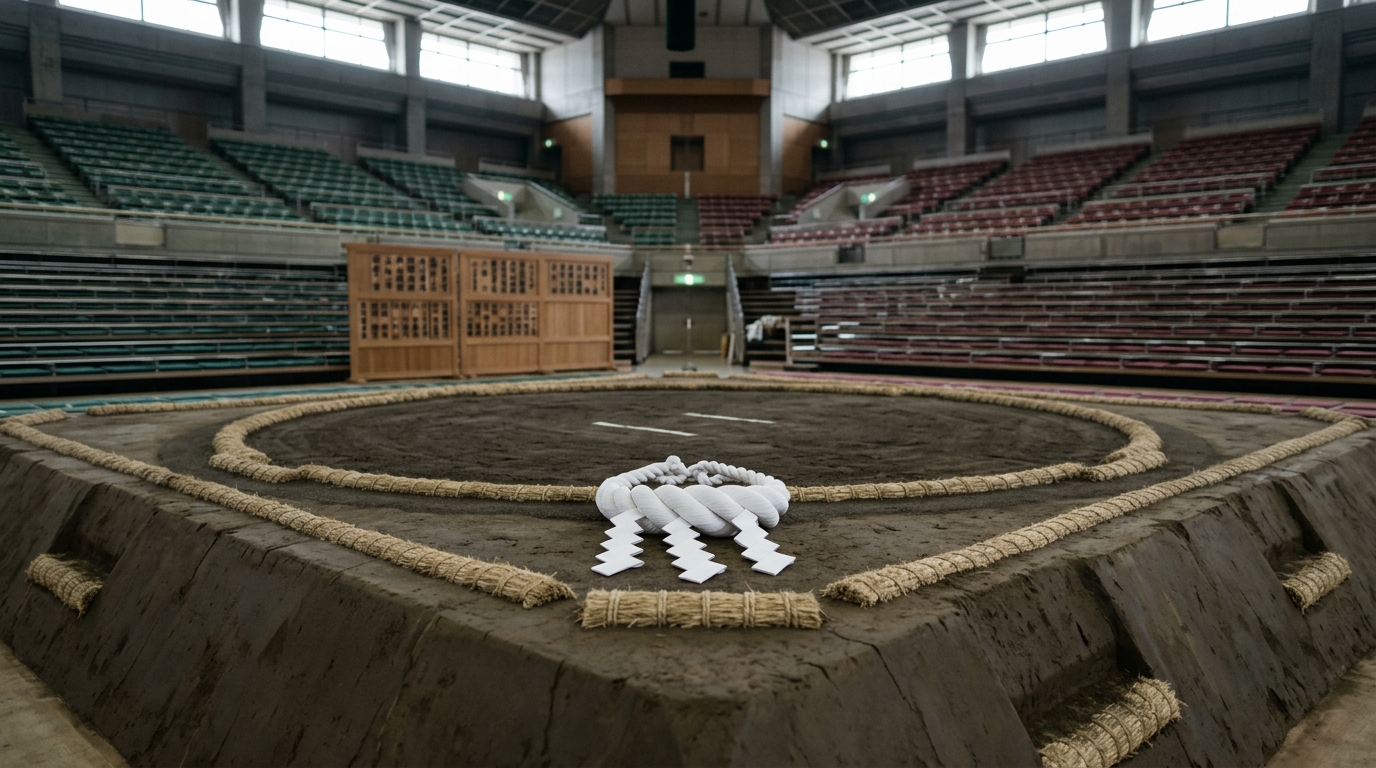
The most recent addition to this list was Terunofuji in 2021. His promotion was particularly significant because it followed a period of intense scrutiny over the lack of active grand champions. When a wrestler reaches this height, they are granted the tsuna, a massive braided hemp rope weighing up to 15 kilograms, which they wear during the ring-entering ceremony.
The Burden of Being a God
The rarity of the rank stems from its unforgiving nature. Most professional athletes can coast through a slump or a period of injury. A yokozuna does not have that luxury. According to the Japan Sumo Association, if a grand champion fails to record a majority of wins in a 15-day tournament, the pressure to retire becomes atmospheric.
Compare this to the rank of ozeki. If an ozeki loses more than they win, they are relegated to a lower division. A yokozuna cannot be demoted. This creates a ceiling where only the most consistently dominant and physically resilient can survive.
Industry Recognition and Standards
Recent data from the University of Tokyo’s sports science departments suggests that the physical toll on modern sumo wrestlers makes reaching the 75-man list harder today than it was in the mid-20th century. The average weight of a top-division wrestler has increased by nearly 30 kilograms over the last fifty years, resulting in a higher frequency of joint injuries that end careers before a wrestler can build the required momentum for promotion.
The rarity is also a result of the sport’s strict nationality and stable requirements. Whereas global sports like football draw from a worldwide talent pool, sumo remains a highly insulated ecosystem. Even as Mongolian wrestlers have dominated the modern era, the path to the 75th spot remains narrow, requiring total immersion in Japanese linguistic and cultural norms.
Common Misconceptions
Status is not Permanent: While the rank is permanent in title, the right to compete is not. A yokozuna who loses consistently will be advised by the Council to retire.
It’s Not Just About Muscle: Many believe the biggest wrestler wins. However, several of the 75 grand champions, such as Chiyonofuji (the 58th yokozuna), were significantly smaller than their opponents but used superior technique and speed to achieve the required win streaks.
Can a foreigner become a yokozuna?
Yes. Several Mongolians and two Americans (from Hawaii) have reached the rank. However, they must adhere to the same strict cultural and conduct codes as Japanese wrestlers.
What happens when there are no active yokozuna?
The sport continues, but it is seen as a period of transition. The Yokozuna Deliberation Council does not lower their standards just to fill a vacancy; they will wait years for a worthy candidate to emerge.
Why is the number only 75?
Because the criteria for promotion are intentionally subjective and rigorous. Winning a single tournament is difficult; winning two in a row while demonstrating flawless character is a feat few humans can achieve.
Key Takeaways
- The rank of yokozuna is the most exclusive tier in professional sports, with only 75 holders in history.
- Promotion requires more than just wins; it requires hinkaku, or divine dignity.
- It is a rank of no return: once you can no longer win, you must retire.
- The rarity of the title ensures that every new promotion is treated as an event of historical significance.
Ultimately, the number 75 represents a lineage of excellence that values the preservation of the sport’s soul over the convenience of having a reigning champion.
Frequently Asked Questions
Sources & References
 WikipediaProvides the historical context of the yokozuna rank, noting its official inception in the 1700s and that only 75 men have attained the title.en.wikipedia.org
- 2The Japan TimesReports on the promotion of Terunofuji to yokozuna in 2021 and its significance as the latest addition to the rank.japantimes.co.jp