
Quick Answer
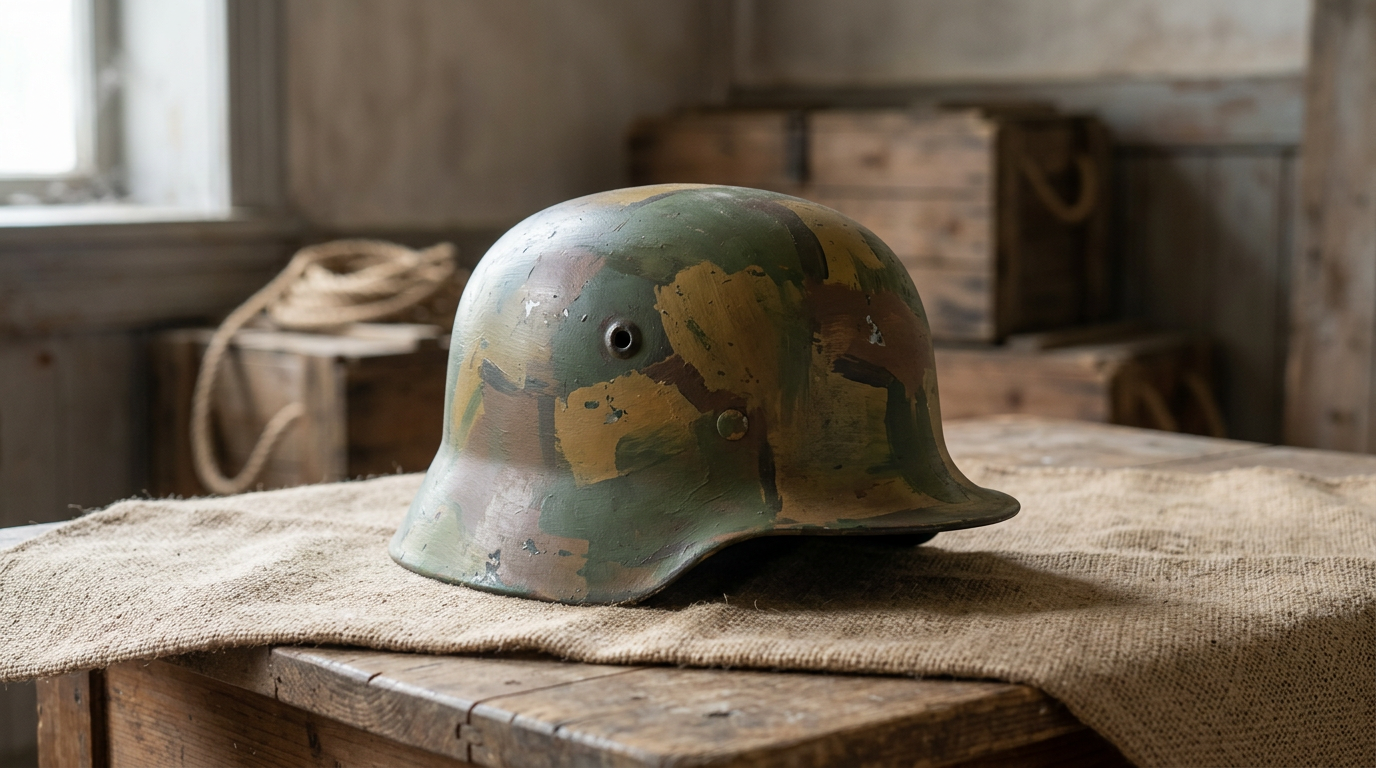
Walt Disney started his business by making and selling fake German sniper helmets to returning WWI soldiers. It's a fascinating hint at his future as a multimedia mogul, showing from the outset his knack for creative marketing and spotting a niche, even if it involved a bit of artistic license.
In a hurry? TL;DR
- 1In 1919, a teenage Walt Disney created and sold fake German 'sniper helmets' to returning WWI soldiers.
- 2Disney aged surplus helmets with camouflage, battle damage, and dirt to appear authentic.
- 3He sold these counterfeit souvenirs for roughly $10 each, exploiting a demand for war trophies.
- 4This venture provided seed money for Disney's first film company, Laugh-O-Gram Studio.
- 5The anecdote reveals Disney's early entrepreneurial skill in artifice and storytelling.
- 6His success was built on understanding that buyers purchase the story, not just the item.
Why It Matters
It's surprising that Walt Disney's first business involved conning returning soldiers with fake military souvenirs.
Before he built a magic kingdom, Walt Disney built a small fortune selling forged war trophies. The future king of family entertainment began his entrepreneurial journey by painting camouflage onto surplus German helmets and selling them as authentic sniper gear to returning American soldiers.
Quick Answer
In 1919, a teenage Walt Disney aged his own inventory by shooting holes in surplus German helmets and painting them with camouflage. He sold these counterfeit souvenirs to unsuspecting soldiers heading home from the First World War.
The Snapshot
- Year: 1919
- Location: Neufchâteau, France
- Item: German Pickelhaube and M16 helmets
- Accomplice: Russell Maas
- Selling Price: roughly 10 dollars per helmet
The French Connection
After the armistice in 1918, a 17-year-old Walt Disney arrived in France as an ambulance driver for the Red Cross. While his peers were focused on the transition back to civilian life, Disney and his friend Russell Maas spotted a supply-and-demand gap in the local souvenir market.
Soldiers wanted tangible proof of their time in the trenches, but genuine battlefield trophies were becoming scarce. Disney noticed heaps of discarded, plain German helmets. According to Bob Thomas in the biography Walt Disney: An American Original, the duo realised that a bit of artistic flair could multiply the value of these scraps.
Manufacturing History
The process was a masterclass in early special effects. Disney used his budding artistic skills to paint elaborate camouflage patterns onto the helmets, mimicking the look of frontline combat gear. To add authenticity, they would take the helmet into a field and fire a luger through it or bash it with rocks to create battle damage.
The finishing touch was a layer of dirt and grease to make the paint look aged. These sniper helmets were then sold for a significant markup to homebound doughboys who wanted a dramatic mantelpiece decoration. Unlike genuine artefacts found in the mud, these were clean, custom-made pieces of history.
Why It Matters
This anecdote sits in sharp contrast to the curated, wholesome image of the Disney brand. It reveals a scrappy, pragmatic side of an American icon who understood the power of artifice long before he mastered animation.
While most historians view this as a youthful indiscretion, it highlights a foundational truth about Disney’s genius: he was an expert at manufacturing a sense of wonder, even if the raw materials were just surplus scrap metal and a bit of theatrical grime.
Practical Applications
- Understanding Market Psychology: Disneys helmets sold because they fulfilled a specific emotional need for the customer (prestige and memory), not because they were functional.
- The Value of Narrative: A plain helmet is scrap metal; a sniper helmet with a bullet hole is a conversation piece.
- Seed Funding: Early career successes often come from high-risk, unconventional side hustles that provide the capital for long-term dreams.
Interesting Connections
- Comparative Context: In contrast to other moguls who inherited wealth, Disney used his artistic talent as a literal tool for forgery to escape working-class limitations.
- Cultural Reference: The concept of the souvenir (from the French for memory) was codified during WWI, creating the very market Disney exploited.
- Etymology: The word counterfeit comes from the Old French contrefait, meaning to imitate or mimic, which is essentially what Disney spent the rest of his life doing with nature and fairy tales.
Was this illegal at the time?
While it was deceptive, the post-war souvenir trade was largely unregulated. Disney and Maas were technically selling surplus goods with artistic modifications rather than violating specific military laws.
How much did he actually make?
Disney claimed to have saved around 500 dollars. Adjusted for inflation, that is roughly 8,500 dollars today, a substantial amount for a teenager in 1919 to use as business capital.
Did he ever regret the deception?
There is no record of Disney expressing remorse. He often recounted the story with a sense of pride in his own resourcefulness, viewing it as his first real lesson in the entertainment business.
Key Takeaways
- Resourcefulness: Disneys first venture used art to turn waste into high-value souvenirs.
- Narrative Power: He understood that people pay for the story attached to an object.
- Entrepreneurial Seed: The money from fake helmets funded his first legitimate animation studio.
- Early Special Effects: His career in illusion began with a paintbrush and a gun in a French field.