
Quick Answer
Mexico banned cartoon mascots and celebrities from unhealthy food packaging in 2021 to make junk food less appealing to children. This important change aims to directly combat rising childhood obesity and diabetes rates by reducing child-targeted advertising, rather than solely relying on parental supervision.
In a hurry? TL;DR
- 1Mexico banned cartoon mascots and celebrities on unhealthy food packaging in 2021 to reduce child-targeted advertising.
- 2This law uses stark black warning labels on products high in sugar, sodium, or fat.
- 3The goal is to combat high childhood obesity rates by decoupling brand appeal from unhealthy snacks.
- 4The regulation, NOM-051, forces companies to strip appealing characters from 'bad-for-you' products.
- 5Research supports the ban, showing stark warnings and mascot removal reduce unhealthy purchases.
- 6Mexico's policy, inspired by Chile, is one of the strictest food labeling laws globally.
Why It Matters
It's interesting that Mexico's ban on cartoon characters from unhealthy food packaging is a radical attempt to stop children from being persuaded by predatory marketing tactics they can't understand.
In 2021, Mexico implemented a strict ban on cartoon mascots, celebrities, and athletes appearing on the packaging of unhealthy food products. This law targets processed foods high in sugar, sodium, or fats to reduce the psychological appeal of junk food to children.
Quick Answer
The Mexican government prohibited the use of animated characters and brand mascots like Chester Cheetah or Tony the Tiger on food products that carry nutritional warning labels. This measure aims to combat one of the highest childhood obesity rates in the world by decoupling brand loyalty from high-calorie snacks.
Key Facts and Figures
- Implementation Date: April 2021
- Targeted Ingredients: Excess calories, sodium, trans fats, and sugar
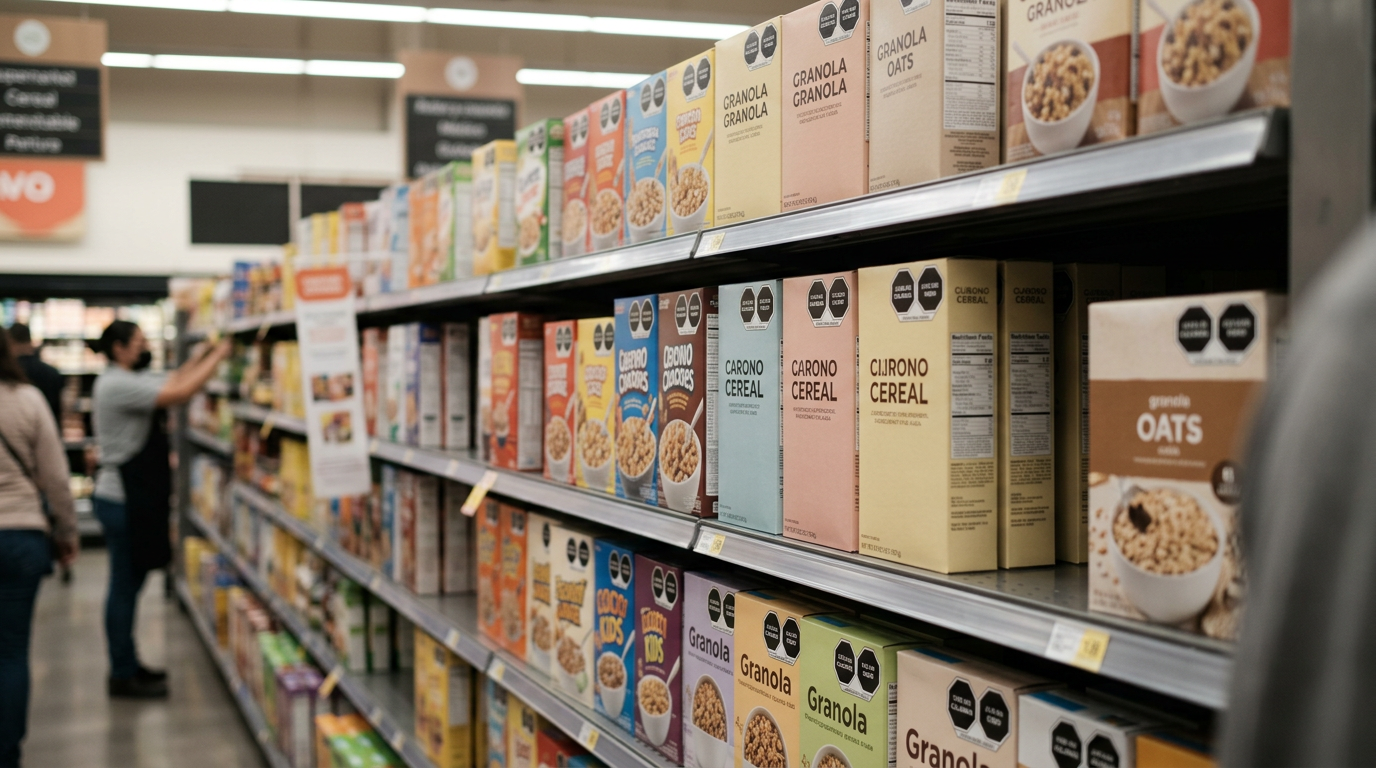
- Compliance Method: Black octagonal warning signs on front-of-pack labels
- National Health Context: Roughly one-third of Mexican children are overweight or obese
- Global Standing: One of the strictest food labelling laws in the world
Why It Matters
This policy treats childhood obesity as a systemic issue rather than an individual choice, acknowledging that a five-year-old cannot provide informed consent to sophisticated predatory marketing.
The End of the Cereal Mascot
The 2021 regulation, known as NOM-051, essentially evicted icons that had lived on pantry shelves for decades. If a product contains enough sugar or fat to merit a black warning seal, it is legally barred from using any character that might appeal to a child.
This was not a voluntary industry suggestion but a hard mandate. Multinational corporations were forced to strip their branding of friendly faces, leaving behind minimalist, almost clinical packaging for sugary cereals and snacks.
The Scientific Foundation
The policy was supported by researchers at the National Institute of Public Health (INSP) in Mexico. They argued that persuasive marketing techniques, specifically character endorsements, create an emotional bond that overrides a child's natural satiety cues.
Unlike other countries that use subtle traffic light systems, Mexico opted for high-contrast black octagons. A study published in the journal Lancet Public Health suggested that these stark warnings, combined with the removal of mascots, significantly reduce the purchase of high-calorie beverages and snacks compared to previous voluntary guidelines.
Global Context and Industry Pushback
Mexico did not act in a vacuum. The policy was inspired by similar legislation in Chile, which saw a 24 percent drop in sugary drink consumption after removing mascots. However, the Mexican version is more aggressive in its scope.
The food industry initially fought the measures through legal challenges, arguing that characters like Melvin the Elephant (Choco Krispies) were intellectual property. The Mexican Supreme Court ultimately upheld the regulations, prioritising the right to health over brand identity.
Real-World Implications
The most visible result is a radical change in the supermarket aesthetic. Aisles that were once a riot of colour and animated eyes are now rows of black-labelled boxes. This has forced companies to reformulate their products to remove the warning seals just to win back the right to use their mascots.
Some brands have attempted to bypass the rules by placing mascots on secondary items or digital campaigns, but the physical packaging remains strictly regulated. This shift marks a transition from viewing food marketing as harmless fun to treating it as a public health intervention.
Interesting Connections
- Etymology of Mascot: Derived from the French word mascotte, meaning a lucky charm or sorcerer's spell.
- Cultural Shift: Mexico is also the world's highest consumer of carbonated soft drinks per capita, leading to a parallel sugar tax.
- Visual Psychology: Studies show that children are more likely to report that a snack tastes better if there is a familiar cartoon on the box, regardless of the actual ingredients.
Is the mascot ban permanent?
Yes, the regulations are part of the Official Mexican Standard (NOM-051) and are currently being enforced across all retail sectors with no expiration date.
Does this apply to all food?
No. Mascots are only banned on products that exceed specific thresholds for salt, sugar, calories, or saturated fats. Healthy products can still use animated characters.
Have other countries followed suit?
Yes, nations including Chile, Brazil, and Argentina have implemented or are debating similar mascot restrictions to protect children from junk food marketing.
Key Takeaways
- Character Removal: Mascots are banned on any packaging that requires nutritional warning seals.
- Health Crisis: The law is a response to Mexico's soaring rates of childhood diabetes and obesity.
- Design Change: Packaging must now feature large black octagonal warning labels.
- Reformulation Drive: Many companies are changing recipes to avoid labels and keep their mascots.
- Global Leader: Mexico now has some of the world's most sophisticated and restrictive food marketing laws.
Frequently Asked Questions
Sources & References
- 1The LancetThis research article discusses the impact of Mexico's front-of-package warning labels, including the ban on mascots, on purchasing habits of unhealthy foods.thelancet.com
 The New York TimesThis article details Mexico's 2021 ban on cartoon mascots, celebrities, and athletes on unhealthy food packaging, its implementation, and the target of reducing child-targeted advertising.nytimes.com