
Quick Answer
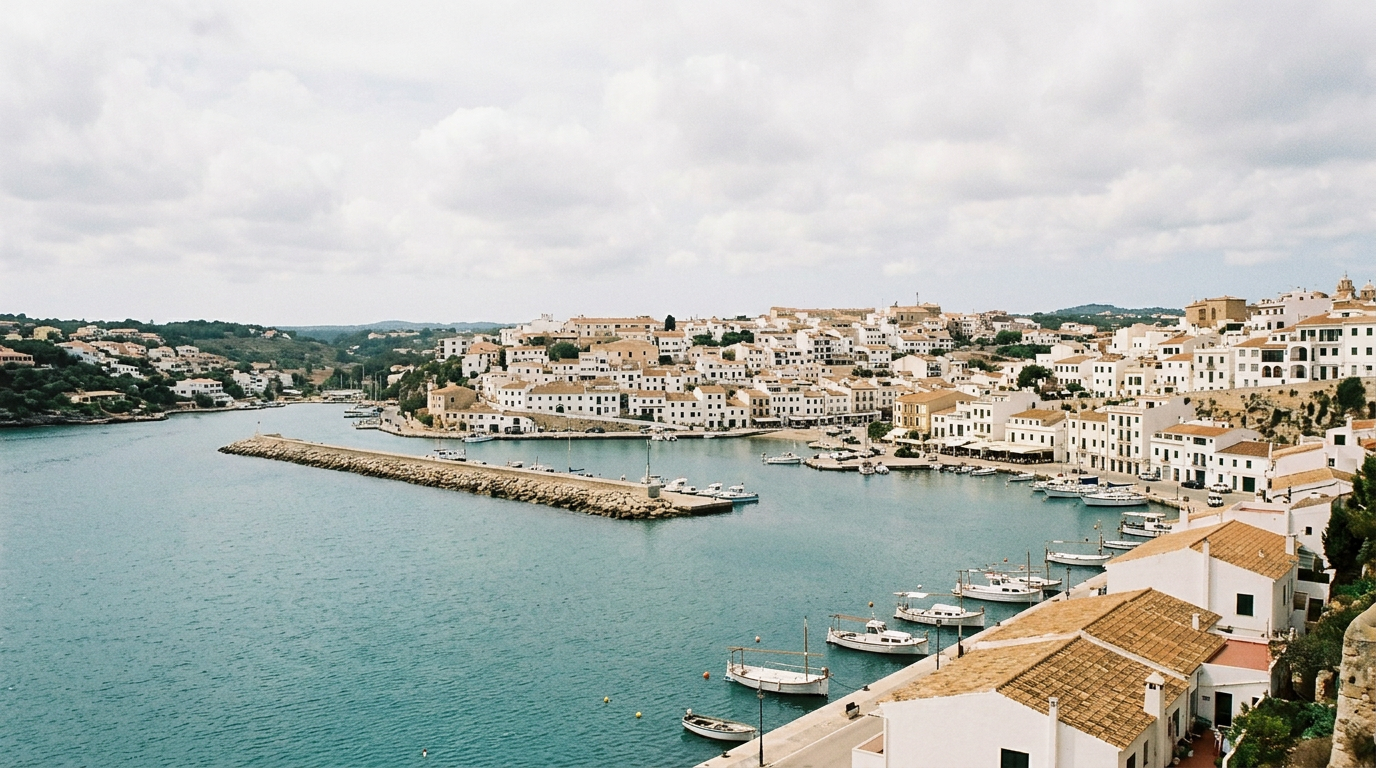
Mayonnaise might be named after Mahón, a port in Menorca, Spain. The story goes that the sauce was first made by the French after they won a battle there in 1756. It's a curious thought that this ubiquitous condiment, often associated with France, could have Spanish roots!
In a hurry? TL;DR
- 1Mayonnaise likely originates from Mahón, a Spanish port, named 'salsa mahonesa' after a 1756 French victory.
- 2A French chef, lacking cream, created mayonnaise with olive oil, celebrating the capture of Mahón by Duc de Richelieu.
- 3The sauce's name, 'mahonnaise,' honors the French victory, rebranding a Mediterranean dish into a French classic.
- 4While debated, the Mahón origin is most cited, with 'salsa mahonesa' existing in Menorca before the French victory.
- 5Mayonnaise's Mediterranean, oil-based emulsion differs from other French dairy-heavy sauces, supporting its Spanish origin theory.
- 6French refinement of Mediterranean aioli likely led to the smoother, stable emulsion known today.
Why It Matters
It's surprising to learn that your favourite sandwich spread might be named after a military victory!
Mayonnaise allegedly takes its name from Mahón, a port in Menorca, Spain. The most prominent theory suggests the sauce was named to celebrate a French military victory at the port in 1756.
Key Facts and Origins
- Location: Mahón (Maó), Menorca, Balearic Islands, Spain
- Historical Event: Battle of Minorca, Seven Years' War
- Date of Renaming: 1756
- Key Figure: Louis François Armand du Plessis, duc de Richelieu
- Original Local Name: Salsa mahonesa
Why It Matters
Most people view mayonnaise as the quintessential French mother sauce, but its etymology suggests it began as a spoils of war, stolen from a Mediterranean island and rebranded by Parisian high society.
The Taking of Mahón
In 1756, French forces under the command of the Duc de Richelieu captured the port of Mahón from the British. This was a significant early victory in the Seven Years' War. According to culinary legend, Richelieu's chef intended to create a celebratory cream and egg sauce but found no cream on the island.
He substituted olive oil, an abundant local resource, and discovered the stable emulsion we now know as mayonnaise. Upon returning to France, the chef named the creation mahonnaise in honour of the victory. While some food historians argue the sauce existed in primitive forms elsewhere, the 1756 siege provided the brand name that conquered the world.
Linguistic Rivalries
The etymology is not without controversy. While the Mahón theory is the most widely cited, linguists have debated alternative roots for centuries. Some suggest it derives from the Old French word moyeu, meaning egg yolk. Others point to the city of Bayonne, suggesting it was originally bayonnaise.
However, the Spanish claim is backed by the existence of salsa mahonesa in Menorca long before the French arrival. Unlike other French sauces that rely on butter or heavy dairy, the oil-based emulsion of mayonnaise is distinctly Mediterranean in character.
Evidence and Evolution
According to researchers at the University of Barcelona, the traditional Mediterranean aioli (garlic and oil) likely served as the architectural blueprint for what the French refined into mayonnaise. The French innovation was the specific technique of tempering egg yolks to create a smoother, more shelf-stable emulsion than the rustic Spanish versions.
By the early 19th century, the legendary French chef Marie-Antoine Carême had standardised the recipe, lightening the texture by aerating the mixture. Unlike other condiments of the era, mayonnaise became a status symbol in Parisian restaurants because it required intense manual labour to emulsify by hand before the advent of mechanical whisks.
Practical Applications
- Emulsification Chemistry: Mayonnaise acts as a bridge between oil and water, making it a critical base for transportive flavours in dressings and remoulades.
- Culinary Binding: Because it does not break easily under moderate heat, it remains the standard binder for classic salads like Niçoise or Waldorf.
- Texture Enhancement: In modern baking, the high oil and egg content of mayonnaise is often used as a secret ingredient to ensure moisture in chocolate cakes.
Is mayonnaise actually French or Spanish?
Technically, the recipe is Mediterranean (Spanish), but the culinary technique and the international name are French. It is a hybrid of Spanish ingredients and French marketing.
Was there an earlier name for the sauce?
Before the French arrival, similar oil and egg mixtures in the Balearic Islands were often referred to simply as salsa mahonesa or variants of alioli.
How did it become a global staple?
The industrialisation of the recipe by Richard Hellmann in 1913 turned a labour-intensive French delicacy into a shelf-stable American commodity, which was then exported back to the rest of the world.
Key Takeaways
- Etymological Roots: Named after the port of Mahón in Menorca, Spain.
- War Trophy: Introduced to France following a 1756 naval victory over the British.
- Technical Shift: Replaced the traditional cream base with olive oil due to ingredient shortages.
- Cultural Branding: transformed a local Mediterranean staple into a cornerstone of French haute cuisine.
The next time you reach for a jar, remember you are consuming a bit of 18th-century naval history. What started as a resourceful substitution on a battlefield ended as the world's most versatile condiment.
Frequently Asked Questions
Sources & References
 BritannicaThis source provides a definition of mayonnaise and mentions its purported origin in Mahón, Spain, following a French military victory in 1756.britannica.com
 WikipediaThis source discusses the origin of mayonnaise, specifically the theory linking its name to Mahón after the 1756 French victory.en.wikipedia.org
 Merriam-WebsterThis source provides the etymology of the word 'mayonnaise', including the theory that it is named after Mahón.merriam-webster.com