
Quick Answer
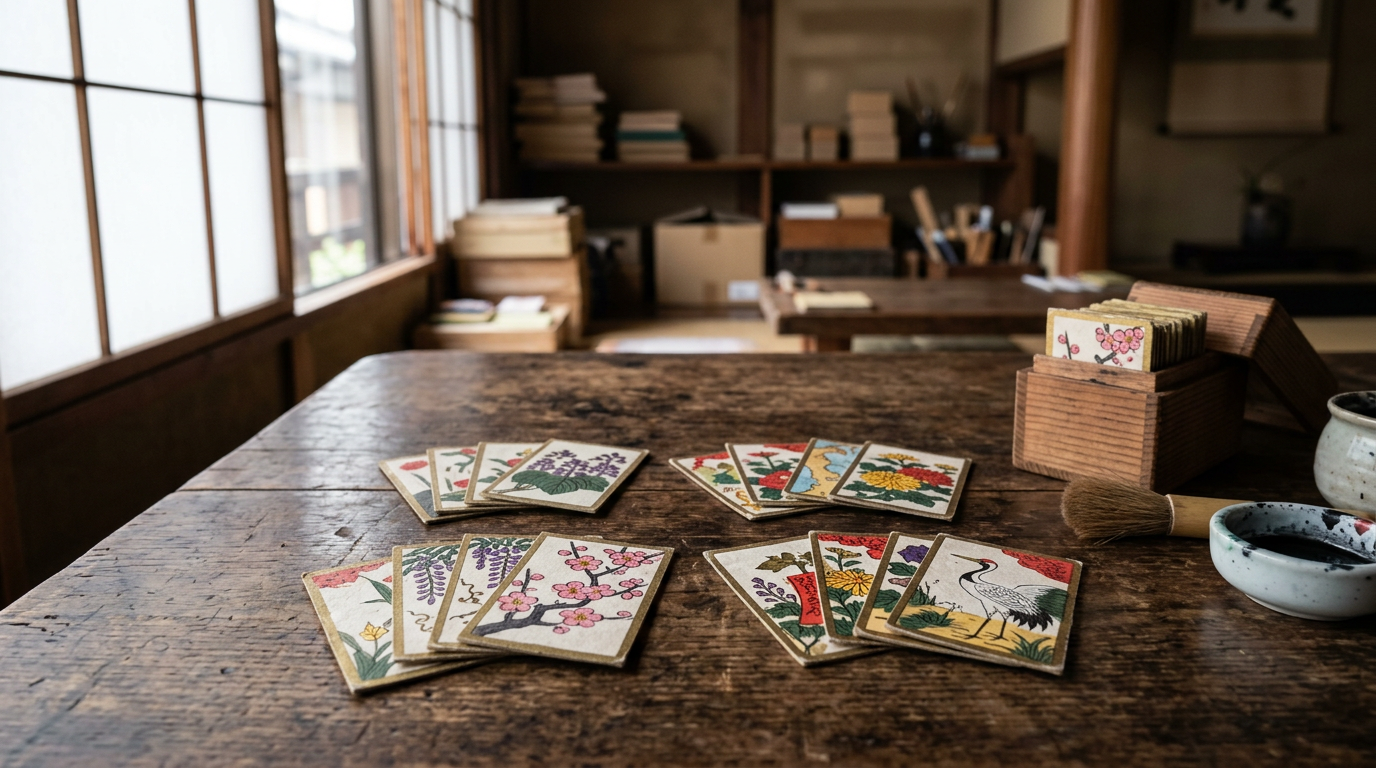
Nintendo is far older than you might think, having started life in 1889 as a Kyoto-based maker of traditional hanafuda playing cards. It’s fascinating that this ancient business, with a past even touching on links to the Yakuza, didn't pivot to the video games we know today until many decades later, after numerous experimental ventures.
In a hurry? TL;DR
- 1Nintendo began in 1889 creating handmade hanafuda playing cards, not video games.
- 2The company initially struggled with diversification, failing in ventures like taxis and instant rice.
- 3A pivotal moment was Gunpei Yokoi's "Ultra Hand" toy, leading to the games division.
- 4Nintendo's success stems from using "withered technology" creatively, like the Game Boy's monochrome screen.
- 5The company survived over 130 years by focusing on its core strength: play.
- 6Nintendo's name translates to 'leave luck to heaven,' reflecting its origins in chance-based games.
Why It Matters
It's surprising that the gaming giant Nintendo began over a century ago making handmade playing cards before its famous video game ventures.
Long before Mario or Zelda existed, Nintendo was a small Kyoto workshop producing handmade hanafuda playing cards. Founded in 1889 by Fusajiro Yamauchi, the company survived for seven decades as a traditional games manufacturer before pivoting to the digital technology that defines its modern identity.
Key Facts: The Nintendo Timeline
- Founded: 23 September 1889
- Original Name: Nintendo Koppai
- First Product: Hanafuda (flower cards)
- Pivot to Video Games: Late 1970s
- Current Headquarters: Kyoto, Japan
The Handmade Origins of a Giant
Nintendo is one of the world's oldest continuously operating entertainment companies. When Fusajiro Yamauchi opened his shop in the late 19th century, Japan had recently lifted a ban on playing cards, which were previously associated with illegal gambling.
The name Nintendo is often translated as leave luck to heaven, reflecting the company’s origins in games of chance. Yamauchi’s cards were not mass-produced; they were meticulously crafted from mulberry tree bark and hand-painted. They became an instant hit, not just with families, but with the Yakuza, who used the high-quality cards in high-stakes gambling dens.
The Struggle to Diversify
By the mid-20th century, the playing card market was shrinking. Under the leadership of Hiroshi Yamauchi, the founder’s great-grandson, the company entered a period of frantic experimentation.
Between 1963 and 1968, Nintendo attempted to establish itself in several bizarre industries. These included a taxi company, a short-stay hotel chain, a brand of instant rice, and a vacuum cleaner manufacturer. Most of these ventures failed spectacularly, nearly bankrupting the firm.
According to historians at the Kyoto Museum, this era of failure was essential for the company’s DNA. It forced Nintendo to focus on its core strength: play. Unlike other tech firms that started as engineering labs, Nintendo started as a toy maker.
Supporting Evidence: The Gunpei Yokoi Effect
The shift toward electronics happened almost by accident. Hiroshi Yamauchi noticed a maintenance engineer named Gunpei Yokoi playing with a homemade extendable claw arm in the factory. Yamauchi ordered him to develop it into a commercial product.
The resulting toy, the Ultra Hand, sold over a million units. This success led to the creation of the Nintendo Games division. Yokoi’s philosophy, Lateral Thinking with Withered Technology, became the foundation of the company.
He believed in using cheap, well-understood technology in radical new ways rather than chasing the most expensive cutting-edge hardware. This approach led to the creation of the Game Boy, which used a monochrome screen when competitors like Sega were using battery-draining colour displays.
Why It Matters
Understanding Nintendo’s age changes how we view their business strategy. While competitors like Sega or Atari struggled to adapt to market shifts, Nintendo’s 130-year history gave them a unique long-term perspective. They are built on the concept of enduring intellectual property rather than just the latest silicon chips.
Real-World Applications
- Brand Longevity: Nintendo proves that a company can survive total industry shifts if it maintains a core philosophy (in their case, entertainment).
- Risk Management: Their failed 1960s ventures serve as a case study in the dangers of over-diversification.
- Creative Constraints: The use of older, cheaper technology has allowed them to remain profitable even when their hardware is less powerful than the competition.
Did Nintendo really own love hotels?
Yes, in the 1960s, Nintendo briefly operated a hotel chain as part of their aggressive diversification strategy. It was unsuccessful and quickly abandoned.
Are hanafuda cards still made by Nintendo today?
Yes, Nintendo continues to manufacture playing cards in Japan, including special edition sets featuring their own video game characters. It remains a point of pride for the company.
Who was the first non-family member to lead the company?
Satoru Iwata, who took over in 2002, was the first president not related to the Yamauchi family. He was a programmer by trade, cementing the transition from toy making to software development.
Key Takeaways
- Longevity: Nintendo has survived for over 13 decades by pivoting when necessary.
- Cultural Roots: The company is deeply tied to Kyoto’s traditional craftsmanship.
- Strategy: They prioritise fun and unique gameplay over raw technical specifications.
- Heritage: The hanafuda cards that started it all are still a part of their active product catalogue.
Nintendo’s journey from a mulberry-bark card workshop to a global digital powerhouse is a reminder that the most successful companies aren't always the ones that invent new technology, but the ones that know how to make it fun.
Frequently Asked Questions
Sources & References
 WikipediaThis source verifies that Hiroshi Yamauchi, the great-grandson of the founder, took over Nintendo in 1949 and describes his efforts to diversify the company into ventures such as a taxi company, love hotels, and instant rice during the 1960s.en.wikipedia.org
- WikipediaThis source confirms that Nintendo was founded on September 23, 1889, by Fusajiro Yamauchi in Kyoto, Japan, and initially produced handmade hanafuda playing cards.en.wikipedia.org