
Quick Answer
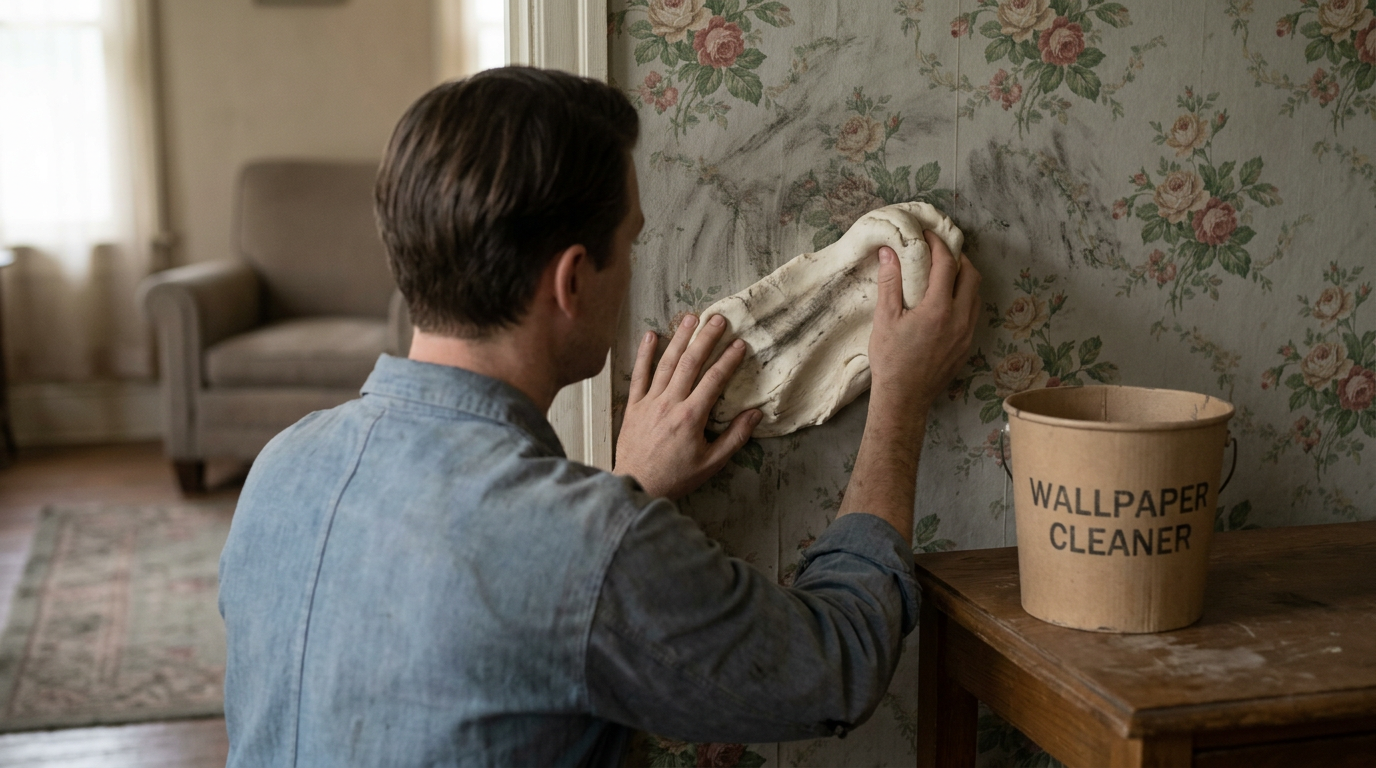
Play-Doh started life in the 1930s not as a fun toy, but as a putty to clean soot off wallpaper. It's a brilliant example of how a product can be completely reimagined, finding unexpected success. This humble cleaner transformed into a global play sensation, proving innovation can come from the most surprising places.
In a hurry? TL;DR
- 1Play-Doh began in the 1930s as an off-white putty designed to clean coal soot from wallpaper.
- 2The product's original purpose was to absorb grime from porous wallpaper without moisture.
- 3Rising oil heating and washable wallpaper made the cleaning putty obsolete by the 1950s.
- 4A nursery school teacher's classroom test led to its successful pivot to a children's toy in 1956.
- 5The rebrand to Play-Doh included adding vibrant colors and removing detergents from the original formula.
- 6Play-Doh's transition demonstrates a successful business pivot, proving user discovery can redefine a product's value.
Why It Matters
It's quite surprising that the familiar colourful dough kids play with today was once a drab wallpaper cleaner for removing soot.
Play-Doh was originally invented in the 1930s as a wallpaper cleaner designed to remove coal soot from walls. It only transitioned into a children's toy in the mid-1950s after the rise of oil heating made the cleaning product obsolete.
- Original Purpose: Removing coal residue from floral wallpaper.
- Invention Year: 1933 by Kutol Products in Cincinnati.
- Rebrand Year: 1956, after a classroom test by a nursery school teacher.
- Original Colour: Off-white (the vibrant colours came later).
- Sales Milestone: Over 3 billion cans have been sold globally since its debut as a toy.
Why It Matters: This transition represents one of the most successful pivots in business history, proving that a product’s utility is often defined by the user rather than the inventor.
The Sooty Origins of a Cultural Icon
In the early 20th century, American homes were heated primarily by coal. While effective, coal produced a thick, greasy black soot that coated everything, particularly the porous wallpaper popular at the time. Unlike modern vinyl, this paper could not be washed with water without tearing or staining.
Cleone McVicker, head of the Cincinnati-based soap company Kutol Products, developed a solution in 1933. It was a non-toxic, pliable putty made of flour, water, salt, boric acid, and mineral oil. Users would roll the doughy substance over their walls to lift the grime without dampening the paper.
The Pivot That Saved a Company
By the early 1950s, Kutol Products was facing bankruptcy. The post-war transition from coal furnaces to oil and gas heating meant that walls stayed cleaner for longer. Furthermore, the introduction of washable vinyl wallpaper rendered specialized cleaning putties redundant.
The company's salvation came from an unexpected source. Joe McVicker, Cleone’s son, was approached by his sister-in-law, Kay Zufall. As a nursery school teacher, she had seen an article suggesting wallpaper cleaner could be used for art projects. She tried the Kutol putty with her students, who found it much easier to manipulate than traditional hard modelling clay.
Kay even suggested the name: Play-Doh. Previously, the McVickers had considered calling it Rainbow Modeling Compound.
From Hardware Stores to Captain Kangaroo
Joe McVicker stripped the detergents from the original formula and added basic pigments. In 1956, the product was officially relaunched as a toy. Its success was accelerated by a savvy marketing move: McVicker persuaded Bob Keeshan, better known as Captain Kangaroo, to feature the product on his national television show.
According to records from the Strong National Museum of Play, the company offered Keeshan two percent of sales in exchange for featuring the product twice a week. The exposure was instantaneous. By 1958, Play-Doh sales reached nearly 3 million dollars, a staggering figure for a company that was nearly insolvent five years prior.
Practical Applications and Legacy
- The Scent Patent: In 2018, Hasbro officially trademarked the scent of Play-Doh, describing it as a unique scent formed through the combination of a sweet, slightly musky, vanilla-like fragrance, with slight overtones of cherry, and the natural smell of a salted, wheat-based dough.
- Industrial Design: While no longer used for walls, the material remains a staple for rapid prototyping in amateur design and educational settings.
- Occupational Therapy: The specific resistance of the dough is frequently used by therapists to improve fine motor skills and hand strength in children.
Interesting Connections
- The Fragrance Factor: Demeter Fragrance Library sells a perfume designed to smell exactly like a fresh can of Play-Doh.
- The Salt Content: The high volume of salt is why the product tastes so unpleasant, a deliberate safety feature to discourage children from eating it.
- Global Reach: If you took all the Play-Doh ever made and pushed it through the Fun Factory playset, it would result in a snake that could wrap around the world 300 times.
Is the original wallpaper cleaner still available?
No, the specific Kutol wallpaper putty formula was retired once the toy version became a global success. Modern wallpaper cleaners use different chemical compositions.
Can you still clean walls with Play-Doh?
Technically, yes. The basic mechanics of the dough—lifting dry particles through adhesion—still work on non-washable surfaces, though the added dyes in modern Play-Doh might leave stains.
When did the yellow can become standard?
The iconic yellow can with the red lid was introduced early in the rebranding phase to ensure the product stood out on toy shelves, which were then dominated by duller packaging.
Key Takeaways
- Product Evolution: Play-Doh began as a utilitarian cleaning tool for coal-heated homes.
- The Power of Feedback: A nursery teacher’s observation saved a failing soap company.
- Accidental Genius: The non-toxic nature required for home cleaning made it the perfect child-safe toy.
- Cultural Permanence: A product destined for the bin became a permanent resident of the Toy Hall of Fame.
Frequently Asked Questions
Sources & References
 WikipediaBackground and contexten.wikipedia.org
 Scientific AmericanScientific research and analysisscientificamerican.com
 BBCReporting and verificationbbc.co.uk
 Smithsonian MagazineSmithsonian Magazine confirms that Play-Doh began as a wallpaper cleaning compound in the 1930s and was repurposed as a children's modeling clay in the mid-1950s.smithsonianmag.com