
Quick Answer
The Bajau sea nomads have evolved significantly larger spleens, which act like a built-in oxygen reserve. This incredible adaptation allows them to dive for much longer on a single breath, proving essential for their traditional life of hunting and gathering at sea. It's a remarkable example of human evolution driven by environmental necessity.
In a hurry? TL;DR
- 1Bajau sea nomads evolved 50% larger spleens, acting as an 'oxygen tank' for extended free-diving.
- 2This genetic adaptation allows them to dive to depths over 70 meters and spend hours underwater daily.
- 3A specific PDE10A gene variant drives the development of larger spleens from gestation.
- 4The Bajau's adaptation proves human evolution is an ongoing process influenced by extreme environmental demands.
- 5Research confirmed this trait is hereditary, not just from physical training, with spleen size consistent across individuals.
- 6This case highlights human adaptation to marine environments, similar to how Tibetans adapted to high altitudes.
Why It Matters
It's fascinating that human evolution is still happening, as shown by the Bajau people's massive spleens that act like natural scuba tanks for underwater living.
The Bajau people of Southeast Asia possess a unique genetic mutation that grants them spleens 50 percent larger than average, enabling them to stay underwater for up to 13 minutes on a single breath. This biological adaptation represents the first known instance of humans evolving specifically to thrive in a marine environment.
The Statistics of the Deep
Spleen Size Increase: 50 percent larger than the neighbouring Saluan tribe. Maximum Dive Depth: Over 70 metres (230 feet). Daily Time Underwater: Up to 60 percent of their working day. Genetic Marker: PDE10A gene variant. Research Source: University of Copenhagen and University of California, Berkeley.
Why It Matters
This discovery proves that human evolution is not a finished chapter of prehistory, but an active process triggered by extreme lifestyle demands.
The Biological Scuba Tank
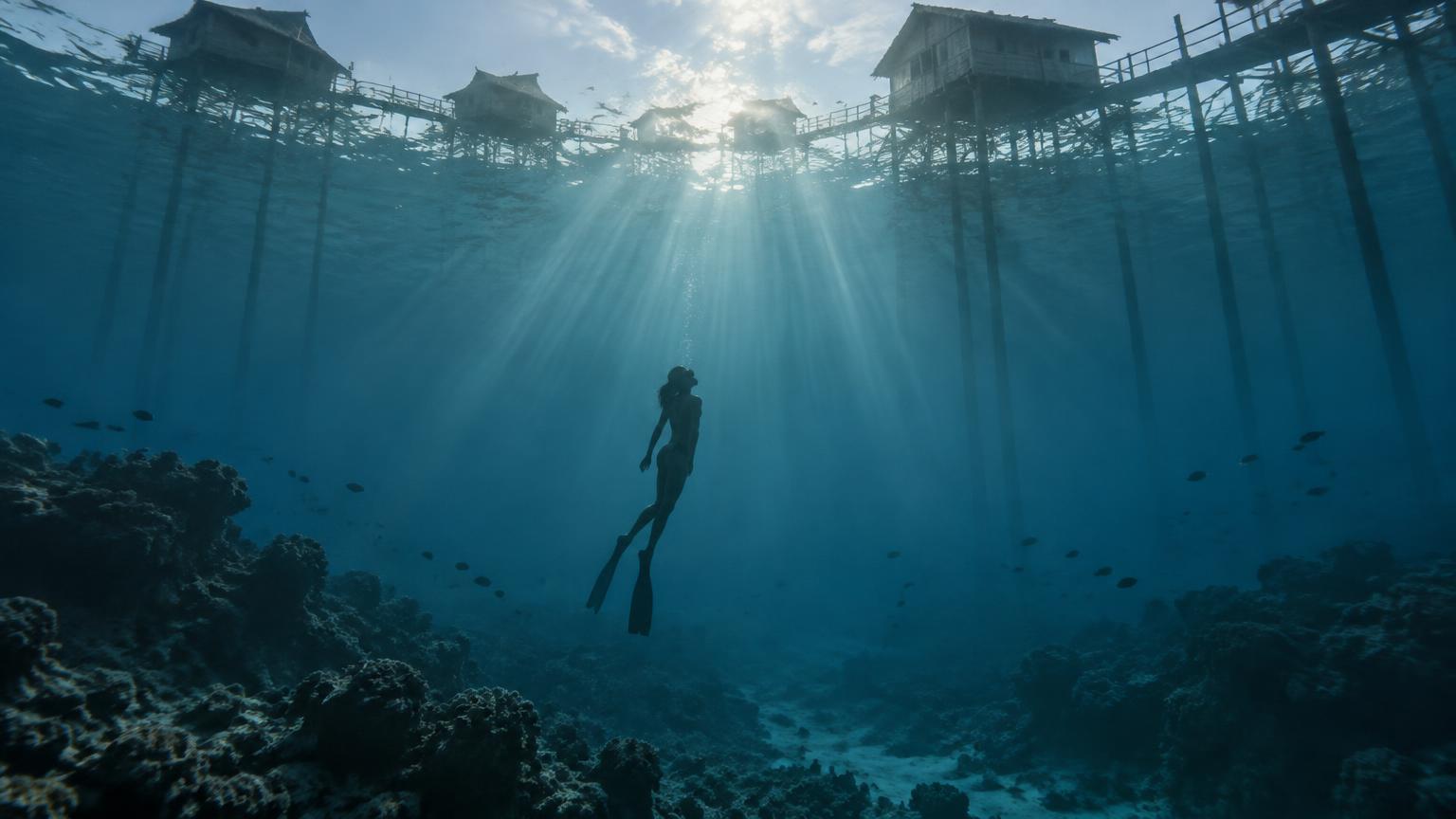
For over a millennium, the Bajau have lived on houseboats or in stilted villages across the waters of Indonesia, Malaysia, and the Philippines. They are traditional spear fishermen who spend the majority of their waking hours submerged. While most people can hold their breath for a minute or two, the Bajau operate at depths and durations that would typically trigger a blackout or decompression sickness.
The secret lies in the mammalian dive reflex. When humans submerge their faces in cold water, the heart rate slows and peripheral blood vessels constrict to prioritise oxygen for the brain and heart. Crucially, the spleen contracts, injecting a bolus of oxygenated red blood cells into the circulatory system.
The Study That Changed Biology
In 2018, Dr Melissa Ilardo from the University of Cambridge led a team to Jaya Bakti, Indonesia. Unlike previous theories that attributed Bajau diving prowess to simple practice or physical training, Ilardo suspected a genetic component. She used a portable ultrasound machine to measure the spleens of 59 Bajau individuals and compared them to 34 members of the Saluan, a nearby land-dwelling tribe.
The results, published in the journal Cell, were staggering. The Bajau spleens were consistently larger regardless of whether the individual was an active diver or a land-based worker. This confirmed that the trait was hereditary rather than a physiological response to training.
Comparative Evolution
The Bajau adaptation is often compared to the physiological changes seen in Tibetan highlanders. While Tibetans have evolved to process low oxygen levels in the thin mountain air, the Bajau are the first documented case of a human population adapting to the acute hypoxia of deep-sea diving.
Unlike Olympic free-divers who spend years training their lungs, the Bajau possess a natural, hardware-level advantage. This genetic shift mirrors the adaptations seen in Weddell seals, which also possess disproportionately large spleens to facilitate long hunts in the Antarctic deep.
Practical Applications
Understanding how the Bajau handle low oxygen levels has significant implications for modern medicine. Researchers are looking at these genetic markers to better understand Acute Respiratory Distress Syndrome (ARDS) and other conditions where the body is suddenly deprived of oxygen. By studying the Bajau, doctors may find new ways to manage patients during surgical procedures or respiratory failure.
Interesting Connections
Sea Nomads: The Bajau are often called Sea Gypsies, a term they share with the Moken people of Myanmar. Moken Sight: Research by Anna Gislen at Lund University found that Moken children have evolved the ability to constrict their pupils underwater, giving them fifty percent better underwater vision than European children. Spear Fishing: The Bajau do not use modern fins or oxygen tanks; they typically dive with wooden goggles and hand-carved weights.
Can anyone grow a larger spleen with enough practice?
No. While physical training can improve your lung capacity and CO2 tolerance, the Bajau spleen size is a genetic trait. It is a permanent physiological difference inherited at birth, not a result of exercise.
Do the Bajau suffer from the bends?
Because they are breath-holding rather than breathing compressed air from a tank, they are less susceptible to decompression sickness. However, their extreme depth and frequency of dives mean they still face risks that would be fatal to an unadapted diver.
Are there other groups with similar traits?
The Moken of Thailand and Myanmar show similar diving capabilities, though the specific genetic study regarding spleen size has focused primarily on the Bajau populations in Indonesia.
Key Takeaways
- The Bajau have spleens 50 percent larger than average humans.
- This is a genetic adaptation driven by the PDE10A gene, not just training.
- The larger spleen acts as an internal oxygen reserve for long dives.
- This represents the first known case of human genetic adaptation to a marine environment.
- The discovery helps scientists understand how the human body reacts to acute oxygen deprivation.
The Bajau remind us that the human map is still being drawn. Evolution isn't a slow crawl from the sea to the land; sometimes, it is a purposeful dive back in.
Frequently Asked Questions
Sources & References
 WikipediaBackground and contexten.wikipedia.org
 Scientific AmericanScientific research and analysisscientificamerican.com
 BBCReporting and verificationbbc.co.uk
- 4Current BiologyThis research paper details the study led by Melissa Ilardo, identifying larger spleens in the Bajau, the PDE10A gene variant, and confirming genetic adaptation to deep diving, regardless of diving practice.cell.com