
Quick Answer
You are part of a tiny minority! Just 7% of all humans who've ever lived are alive today. With estimates suggesting over 100 billion Homo sapiens have walked the Earth, this means for every person breathing now, roughly 14 have already passed on. It's a mind-boggling perspective shift on our place in history.
In a hurry? TL;DR
- 1Only about 7% of all humans ever born are alive today, with an estimated 109 billion total.
- 2For every person alive now, approximately 14 have lived and died throughout history.
- 3Human population growth was extremely slow for most of history, accelerating dramatically after 1800.
- 4Early human life expectancy was very low, around 10 years, due to high infant mortality.
- 5Current population figures make us seem dominant, but we represent a recent, concentrated final stage of human history.
- 6Understanding this ratio impacts how we consider our generation's environmental and societal footprint.
Why It Matters
It's surprising that the vast majority of humans who have ever lived are no longer alive today.
There are roughly 8 billion people on Earth today, yet they represent a mere 7 percent of the total human story. Demographers estimate that approximately 109 billion members of our species have lived and died since the dawn of Homo sapiens.
- Total Humans Ever Born: 109 billion (estimated)
- Current Global Population: 8.1 billion
- Percentage Alive Today: 7.4 percent
- Date of First Homo Sapiens: 190,000 BCE (benchmark used for calculation)
- Growth Rate Inflection: 1800 CE (first time population hit 1 billion)
Why It Matters
This statistic shatters the common myth that the living outnumber the dead; in reality, for every person breathing today, there are roughly 14 ghosts standing behind them.
The Calculus of the Dead
The math behind this figure comes primarily from the Population Reference Bureau (PRB). To arrive at the 109 billion figure, demographers had to establish a starting point for humanity and estimate birth rates across vastly different eras of history.
The PRB uses 190,000 BCE as the starting line. While the earliest members of our species were few, the sheer duration of prehistory adds up. For the majority of human existence, life expectancy was brutal, often hovering around 10 years due to high infant mortality.
The Industrial Explosion
Unlike other species that maintain a steady population cap based on local resources, humans fundamentally altered their trajectory. In contrast to the slow crawl of the Neolithic era, the last two centuries represent a demographic vertical climb.
It took until 1800 for the world to reach 1 billion people. The jump from 7 billion to 8 billion took only 12 years. This creates the illusion that we are the main act, when we are actually a very recent, very crowded final chapter.
The Weight of the Past
If the dead outnumber us 14 to one, the physical footprint of the past is larger than we often acknowledge. This ratio influences how we view everything from urban planning to the environmental impact of a single generation.
Practical Implications
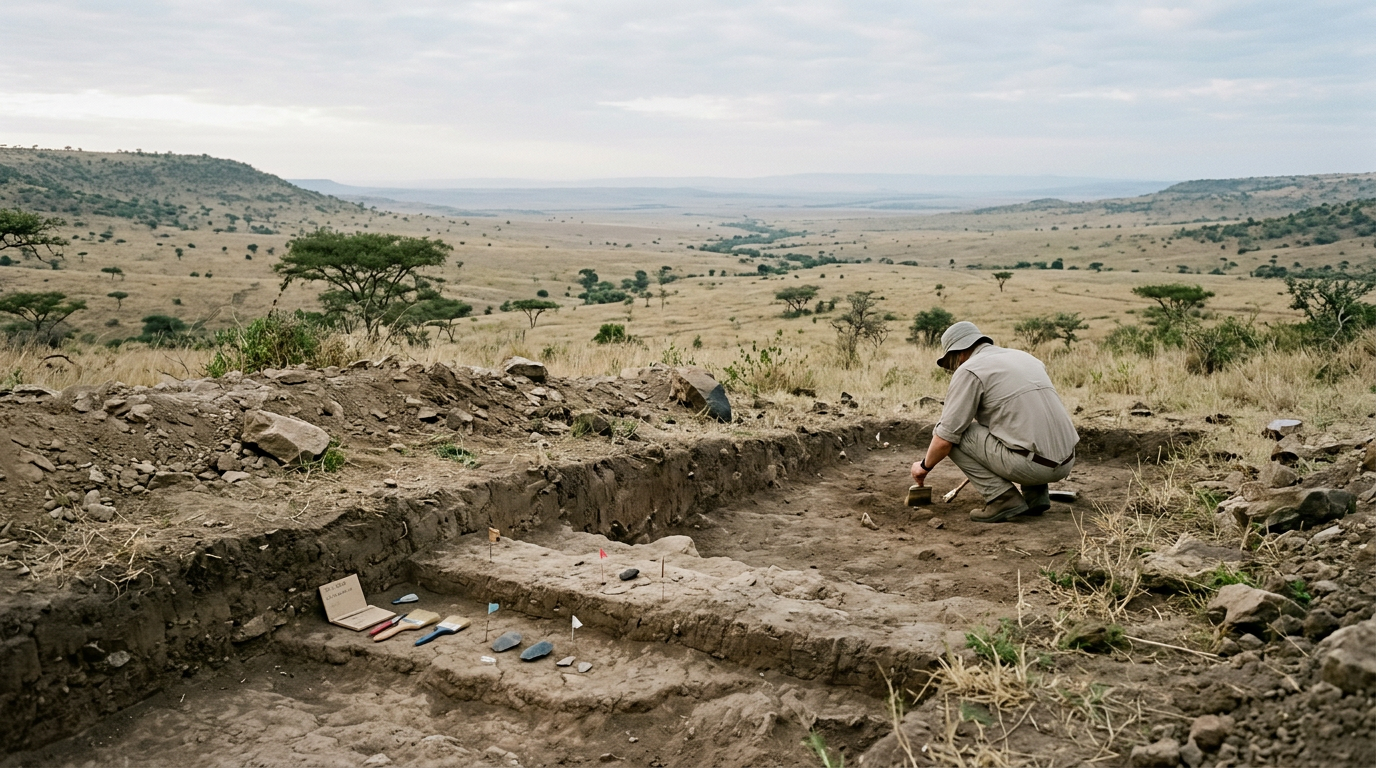
- Archaeological Density: In places like Rome or London, you are rarely more than a few feet away from the remains of someone from the other 93 percent.
- Genetic Legacy: The enormous pool of 100 billion ancestors means that modern genetic diversity is a highly distilled version of a much larger historical experiment.
- Resource Consumption: The 7 percent of us alive now consume more energy and resources than the other 93 percent combined across their entire lifespans.
When did the living population start growing so fast?
The tipping point was the Industrial Revolution. Improved sanitation, the germ theory of disease, and more reliable food supplies caused death rates to plummet while birth rates remained high for several generations.
Will the living ever outnumber the dead?
Highly unlikely. Even with current growth rates, the number of people dying eventually adds to the total count of the deceased. For the living to outnumber the dead, the global population would need to skyrocket to a level the planet likely cannot sustain.
How accurate are these numbers?
They are estimates. However, even if the starting date for Homo sapiens is moved back by 50,000 years, the 7 percent figure remains remarkably stable because the population sizes in deep history were so small.
Key Takeaways
- The total number of humans to ever exist is roughly 109 billion.
- We represent about 7 percent of all humans who have ever lived.
- The dead outnumber the living by a ratio of roughly 14 to 1.
- Half of the total human population growth has occurred in just the last 2,000 years.
We are not the majority of the human experience; we are merely the current, unusually large crew of a very old ship.
Frequently Asked Questions
Sources & References
- 1United Nations Population Fund (UNFPA)This source from the Population Reference Bureau (PRB) details the calculation behind the estimate of 109 billion people who have ever lived on Earth, and confirms their use of 190,000 BCE as the starting point for Homo sapiens.prb.org
 The Wall Street JournalThis source provides historical data on world population, illustrating that it took until 1800 for the global population to reach 1 billion people and showing the rapid acceleration of growth in recent centuries.ourworldindata.org