
Quick Answer
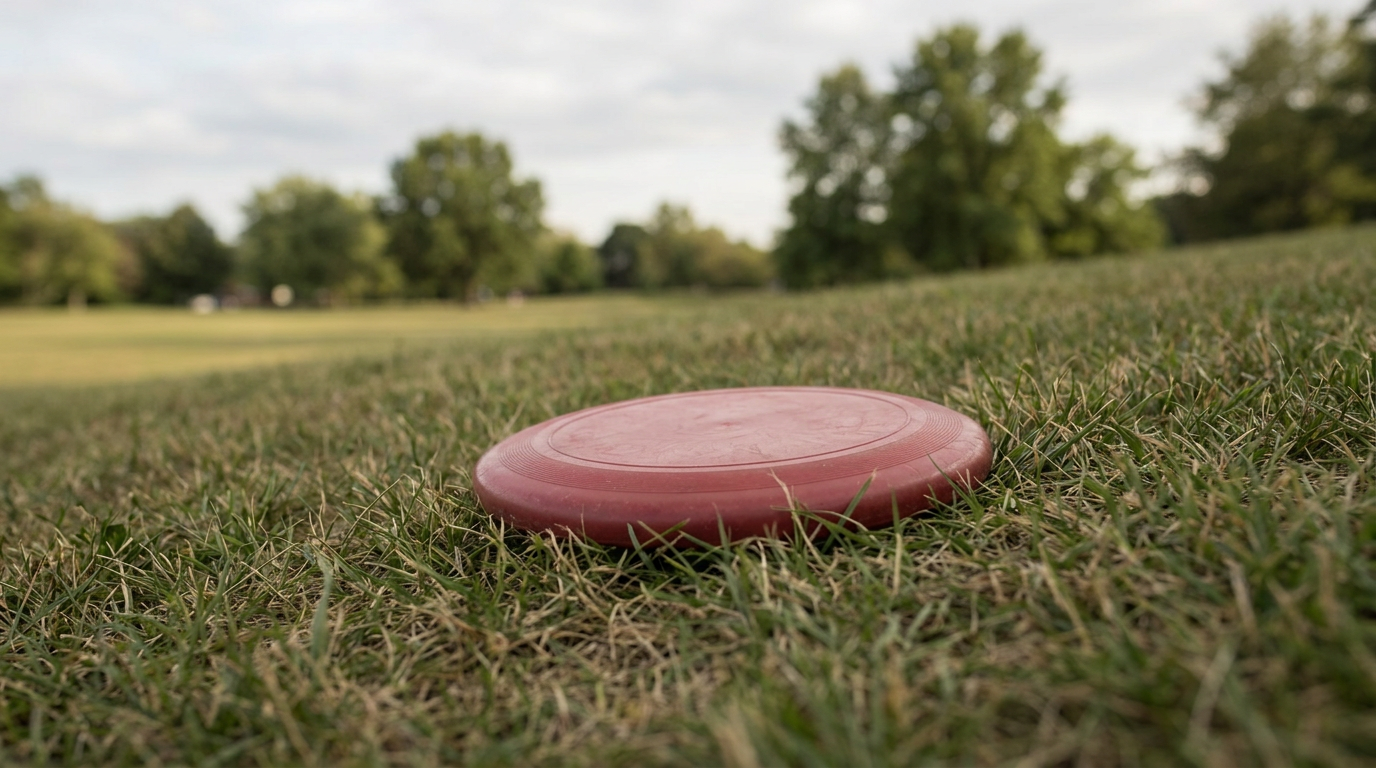
Ed Headrick, the inventor of the modern Frisbee, had his ashes moulded into memorial flying discs. It’s a fittingly playful and unique way for the man who brought us so much aerial fun to remain eternally part of the game, literally flying on after his passing.
In a hurry? TL;DR
- 1Ed Headrick, inventor of the modern Frisbee, had his ashes molded into commemorative flying discs.
- 2Headrick's design added concentric ridges for stability, transforming the Frisbee into a sporting tool.
- 3He founded the International Frisbee Association and the Professional Disc Golf Association.
- 4The memorial discs were made to be functional, embodying Headrick's philosophy of play.
- 5A limited run of less than 1,000 memorial discs were created and distributed to loved ones.
- 6One memorial disc was reportedly thrown in a competition, allowing the founder to posthumously participate.
Why It Matters
It's surprisingly touching that the inventor of the modern Frisbee had his ashes moulded into memorial flying discs so he could literally keep playing forever.
Ed Headrick, the man who transformed the Frisbee from a flimsy toy into a precision sporting tool, requested that his cremated remains be moulded into a limited run of memorial flying discs. His family honoured the wish in 2002, ensuring that Steady Ed could literally continue to fly long after his death.
The Essentials: Steady Ed and the Disc
- Year of death: 2002
- Number of memorial discs: Less than 1,000
- Patent number: U.S. Patent 3,359,678 (The Professional Frisbee)
- Impact: Established the Professional Disc Golf Association (PDGA)
Why It Matters
This is the ultimate example of a creator becoming one with their creation, turning a morbid reality into a permanent piece of sporting equipment that kept the inventor in the game.
The Man Who Gave the World Rings
Before Ed Headrick arrived at Wham-O in the 1960s, the Frisbee was little more than a beach novelty. Known as the Pluto Platter, it was prone to wobbling and unpredictable flight paths. Unlike earlier iterations that relied on flat surfaces, Headrick added the Lines of Headrick—concentric ridges on the top of the disc that acted as spoilers.
These ridges created lift and stability, turning a toy into a legitimate aerodynamic instrument. Headrick did not just invent a product; he invented a culture. He founded the International Frisbee Association and the Professional Disc Golf Association, shifting the focus from casual catches to competitive accuracy.
When Headrick passed away at age 78, he didn't want a traditional headstone. He told his son, Ken, that he wanted to be in a Frisbee so he could be played with. According to reports from the Los Angeles Times at the time, his ashes were mixed into the plastic resin at a moulding facility in California to create a batch of commemorative discs.
The Mechanics of a Memorial Disc
The process of incorporating human remains into industrial polymers is technically challenging. The ashes had to be finely sifted and integrated into the high-density polyethylene during the injection-moulding process.
Most of these discs were distributed to family and close friends, while a small number were sold to benefit the Ed Headrick Memorial Disc Golf Museum. Some of the discs were even tossed onto the roof of the museum, a nod to the common fate of many backyard Frisbees.
Unlike other inventors who might seek a statue or a plaque, Headrick sought utility. The discs were not just for display; they were designed to be thrown. This reflected his lifelong philosophy: "We play the game, and the game plays us."
Cultural Legacy and Competitive Growth
Today, disc golf is one of the fastest-growing sports in the world, with over 9,000 courses globally. This growth is directly linked to Headrick’s insistence that the disc be treated as a professional tool rather than a toy. In contrast to traditional golf, which requires massive land manipulation, Headrick’s sport utilised existing landscapes, making it an accessible, low-impact alternative.
Practical Applications
- Legacy Planning: Headrick’s choice has inspired a niche industry of memorial objects, from vinyl records containing ashes to reef balls for ocean restoration.
- Aerodynamic Design: The concentric ridges he patented remain the standard for disc stability in modern competitive play.
- Community Building: The sale of the memorial discs funded the establishment of the International Disc Golf Center in Georgia, providing a permanent home for the sport’s history.
Interesting Connections
- Etymology: The name Frisbee was a misspelling of the Frisbie Pie Company, which Wham-O eventually trademarked to avoid legal trouble.
- Space Age Ties: The original Pluto Platter was marketed to capitalise on the 1950s obsession with UFOs and flying saucers.
- Competitive Spirit: Headrick’s PDGA member number was 001, a title he held with immense pride until his death.
Can you still buy a Steady Ed ash disc?
They are extremely rare and generally held by collectors or family members. Occasionally, they appear in private auctions or museum displays, but they are not in general production.
Did the ashes affect the flight of the disc?
While the addition of foreign material can theoretically alter the balance of a disc, the quantity of ash used was calibrated to ensure the discs remained flight-worthy and met the aerodynamic standards Headrick himself set.
Where is Ed Headrick buried?
He isn't buried in a traditional sense. Portions of him are in the hands of his friends, some are in a museum in Georgia, and one or two might still be stuck on a roof somewhere.
Key Takeaways
- Innovator: Ed Headrick turned a plastic toy into a professional sport through aerodynamic engineering.
- Unique Memorial: He requested his ashes be moulded into Frisbees to stay involved in the game.
- Global Impact: His work led to the creation of the PDGA and the global explosion of disc golf.
- Functional Legacy: Headrick’s memorial discs remain one of the most unique examples of a creator merging with their invention.
Headrick didn't just want to be remembered; he wanted to be caught, thrown, and kept in flight. In the end, he became the very thing he spent his life perfecting.
Frequently Asked Questions
Sources & References
 WikipediaThis source confirms that after Ed Headrick's death in 2002, some of his ashes were molded into a limited number of Frisbees and disc golf discs.en.wikipedia.org
- WikipediaBackground and contexten.wikipedia.org
 Scientific AmericanScientific research and analysisscientificamerican.com
 BBCReporting and verificationbbc.co.uk