
Quick Answer
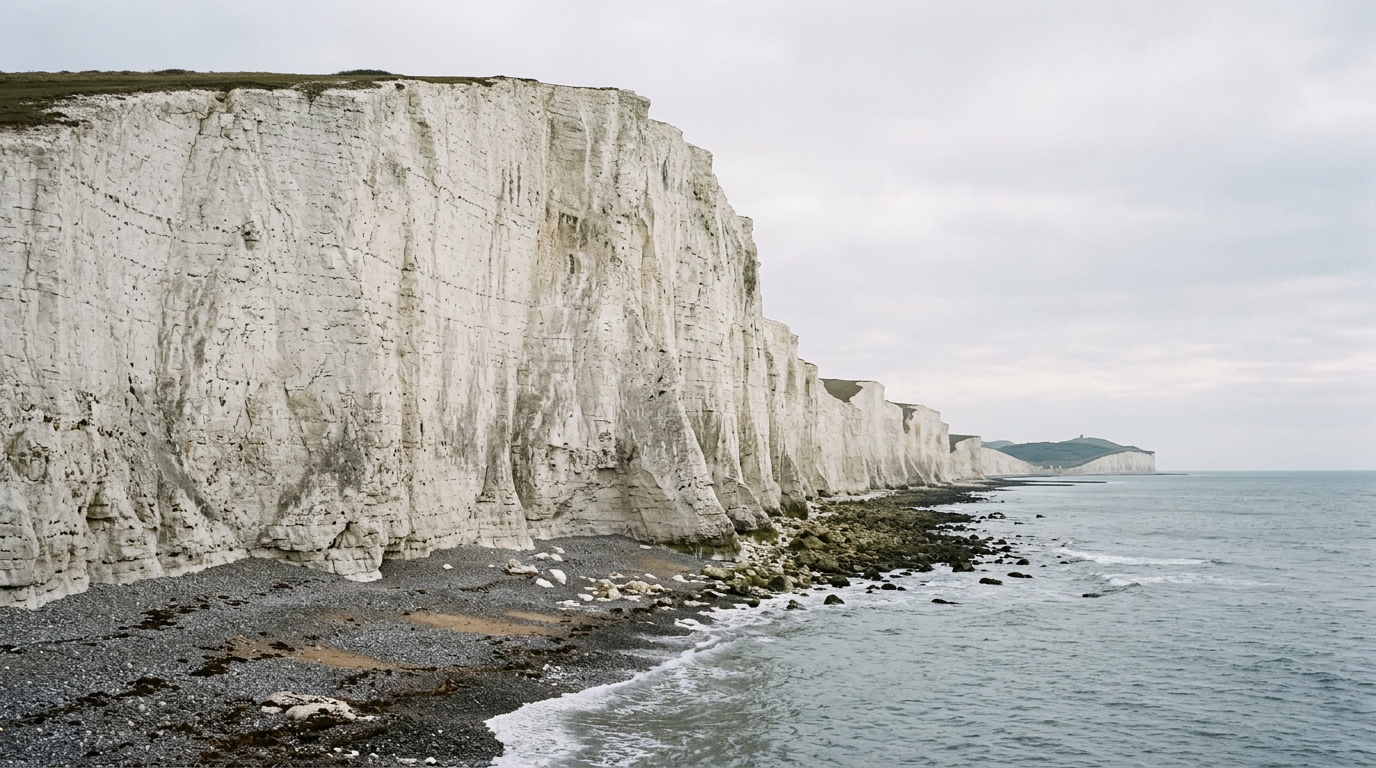
Natural chalk is composed of the fossilised remains of microscopic marine algae called coccolithophores that lived millions of years ago. When these tiny organisms died, their chalky plates sank to the sea floor, gradually building up into massive layers of rock. It is truly remarkable to think that the iconic white cliffs of our coastline and the sticks of chalk once used in schoolrooms are actually the preserved ghosts of a vast, prehistoric ecosystem that fundamentally reshaped the surface of
In a hurry? TL;DR
- 1Recognize that natural chalk is composed of trillions of fossilized calcium carbonate plates from microscopic marine algae known as coccolithophores that thrived during the Cretaceous Period.
- 2Understand that these geological deposits function as massive carbon sinks, effectively storing vast amounts of atmospheric carbon in a solid, mineralized form over millions of years.
- 3Acknowledge the historical transition in scientific understanding from viewing chalk as a simple chemical precipitate to recognizing it as a biological byproduct of ancient marine ecosystems.
- 4Note that the purity of chalk deposits resulted from unique Cretaceous sea conditions that allowed skeletal remains to accumulate without contamination from sand or clay sediments.
- 5Identify that chalk's high porosity makes it an essential natural aquifer, playing a critical role in filtering and providing water supplies in regions like South East England.
- 6Appreciate how tectonic forces elevated these ancient seafloor deposits to create iconic geological landmarks like the White Cliffs of Dover through massive plate movements.
Why It Matters
It is fascinating that iconic white cliffs like those at Dover are actually colossal, prehistoric graveyards composed of billions of tiny, armoured plankton skeletons.
Natural chalk is not merely compressed mineral dust; it is a massive accumulation of fossilised skeletal remains from microscopic marine algae known as coccolithophores. These single-celled organisms lived and died by the trillions during the Cretaceous Period, leaving behind protective calcium carbonate plates that eventually formed the world’s most iconic white cliffs.
The Microscopic Engine of Geology
- Organism: Coccolithophores (specifically the species Micrantholithus and others)
- Composition: Calcium carbonate (calcite)
- Era: Primarily the Late Cretaceous (145 to 66 million years ago)
- Scale: One cubic centimetre of chalk can contain up to 800 million individual plates
- Global Impact: These deposits store vast amounts of atmospheric carbon in solid form
Why It Matters
Understanding that your classroom blackboard was once a thriving prehistoric ecosystem changes how we view the permanence of biological life and its ability to reshape the physical planet.
The Discovery of the Deep
For centuries, scientists assumed chalk was a purely chemical precipitate, a byproduct of mineral-rich seawater. This changed in the mid-19th century when pioneers of microscopy, including Christian Gottfried Ehrenberg and Thomas Henry Huxley, began peering at samples from the Atlantic seabed.
Huxley, famously known as Darwin’s Bulldog, noted in his 1868 lecture On a Piece of Chalk that the substance was almost entirely composed of coccoliths. These are the individual shield-like plates shed by the algae. When these organisms died, their skeletons drifted to the ocean floor in a constant biological rain, accumulating at a rate of roughly one millimetre every year.
The Architecture of a Plankton
Coccolithophores are unique because they surround themselves with a hubcap-shaped suit of armour. While researchers at the University of Southampton continue to debate the exact purpose of these plates—theories range from light regulation to protection against viral infections—their geological legacy is undisputed.
During the Cretaceous Period, high sea levels and warm temperatures created vast, shallow inland seas. These conditions were perfect for massive plankton blooms. Unlike other marine sediments that are often contaminated with sand or clay, these specific environments allowed for the deposition of remarkably pure calcium carbonate.
From Seafloor to Sky
The White Cliffs of Dover are perhaps the most famous manifestation of this process. These 110-metre walls are composed of billions of skeletons that were thrust upward by tectonic shifts and the collision of African and European plates.
Compared to other sedimentary rocks like sandstone, chalk is exceptionally porous. This characteristic allows it to act as a massive natural filter and aquifer. In regions like South East England, the fossilised remains of ancient plankton provide the primary source of purified drinking water for millions of people.
Practical Applications
- Construction: Pure chalk is a primary ingredient in the manufacture of Quicklime and Portland cement.
- Agriculture: Farmers use crushed chalk to treat acidic soils, a practice known as liming, which improves nutrient uptake for crops.
- Athletics and Arts: While many modern classroom chalks are actually made of gypsum, traditional artists’ pastels and gymnastic grip powders still rely on the specific friction properties of calcium carbonate.
- Pharmaceuticals: It serves as a common antacid and a filler in vitamin tablets.
Common Misconceptions
Chalk is often confused with gypsum. While they look similar, gypsum is calcium sulphate and forms through the evaporation of seawater, whereas chalk is calcium carbonate and is strictly a biological product. Furthermore, while many assume chalk is made of crushed dinosaur bones due to the era it formed in, the contribution of vertebrate fossils to chalk volume is statistically negligible.
Is all chalk made from fossils?
Natural geological chalk is 100 percent biological in origin. However, much of the chalk used in schools today is actually manufactured from gypsum (calcium sulphate), which is cheaper to produce and creates less airborne dust.
How did the cliffs get so white?
The purity of the calcium carbonate is the key. Because the Cretaceous seas were so high, the landmasses that usually provided dark silt and clay were submerged, leaving the plankton to settle without being mixed with darker sediments.
Are coccolithophores still alive today?
Yes. They remain a vital part of the marine ecosystem. Modern blooms are so large they can be seen from space as bright turquoise swirls in the ocean, though they are currently threatened by increasing ocean acidification.
Key Takeaways
- Biological Origin: Chalk is a biogenic rock, meaning it was created by living organisms rather than geological pressure alone.
- Ancient Timeline: Most of the world's chalk was deposited during a 30-million-year window when the Earth was significantly warmer.
- Carbon Storage: These microscopic fossils represent one of the largest carbon sinks on the planet.
- Global Presence: From the cliffs of Rügen in Germany to the Texas chalk belt, these microscopic skeletons define landscapes across the globe.
The next time you see the brilliant white face of a coastal cliff, you aren't looking at stone. You are looking at a graveyard of trillions of tiny engineers who managed to build a monument that outlasted the dinosaurs.
Frequently Asked Questions
Sources & References
 Encyclopaedia BritannicaVerifies that chalk is a soft, porous sedimentary rock composed of the microscopic calcium carbonate plates (coccoliths) of single-celled algae.britannica.com
- 2Facts About the Earth's OxygenDetails how billions of coccolithophores bloom and shed calcite shells that settle on the ocean floor to eventually form chalk landmarks like the White Cliffs of Dover.earthobservatory.nasa.gov
- Encyclopaedia BritannicaConfirms that the Cretaceous Period derives its name from the Latin word 'creta' (chalk) because of the vast chalk deposits laid down during that era.britannica.com