
Quick Answer
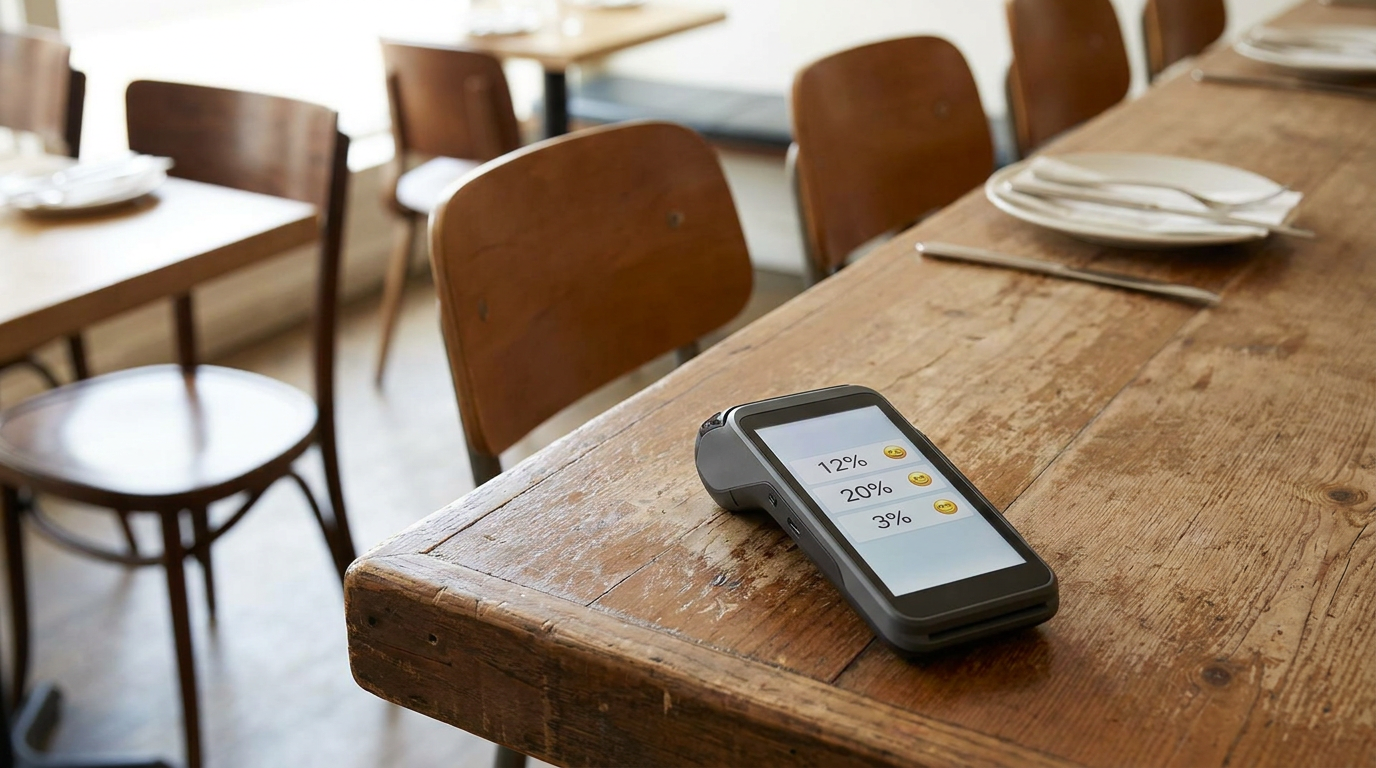
Adding a simple smiley-face emoji to digital tipping prompts increases the average amount left by customers by 11%. This is fascinating because it highlights how easily our spending habits are swayed by tiny visual cues that mimic human emotion. It proves that even a digital grin can make us feel more generous, showing just how much influence subtle design choices have on our everyday financial decisions. We are clearly more willing to part with our cash when greeted by a friendly, virtual smile
In a hurry? TL;DR
- 1Incorporate simple smiley face emojis next to suggested tip percentages on digital payment screens to potentially increase average customer tipping amounts by approximately 11 percent.
- 2Leverage the psychological concept of emotional contagion by using visual cues that trigger a mood boost, making customers more inclined to choose higher gratuity options.
- 3Design your payment interface to bridge the gap between automated systems and human interaction by using emojis as digital proxies for friendly, personal service.
- 4Utilize choice architecture by pairing emojis with specific tipping tiers to subtly categorize and reward higher financial contributions through positive social validation.
- 5Recognize that even minor visual elements can influence financial behavior, suggesting that small, low-cost modifications to UI/UX can significantly improve bottom-line revenue for businesses.
- 6Avoid cold, purely transactional payment requests by adding humanizing visual flair, which reduces the psychological friction associated with spending money during the checkout process.
Why It Matters
It is fascinating how a single digital smiley face can subconsciously manipulate our generosity and prompt us to tip more simply by mimicking a human expression.
A simple smiley face emoji added to suggested tip prompts on digital payment screens can increase the average tip amount by 11%. This digital nudge leverages a psychological phenomenon where positive reinforcement influences financial generosity at the point of sale.
The Key Data
- Average Tip Increase: 11 percent
- Method: Adding emojis to suggested tip percentages (for example, 😊 next to 20%)
- Primary Observation: Digital receipt interfaces in restaurants and cafes
- Cognitive Driver: Social approval and mood priming
Why It Matters
This suggests that our financial decisions are surprisingly fragile, easily swayed by minor visual cues that mimic human emotion.
The Study Behind the Smile
The discovery stems from research into the tipping economy, particularly as more service businesses shift to digital tablets. A study published in the Journal of Consumer Research and highlighted by behavioural economists looked at how patrons reacted to visual prompts on Point of Sale (POS) terminals.
By placing a smiley face next to higher tip increments, businesses didn't just ask for more money; they provided a small, digital hit of social validation. This is a significant jump compared to text-only prompts, where the lack of visual flair can make the request feel colder or purely transactional.
The Psychological Mechanics
Why does a yellow circle with two dots and a curve make us open our wallets? It comes down to emotional contagion and social pressure. Humans are programmed to mirror the emotions they perceive. When we see a smiling face, even a stylised one, it triggers a subtle lift in mood.
This mood boost reduces the friction of spending. Unlike other nudges that might feel aggressive, the emoji suggests a reward rather than a demand. It tells the brain: if you choose this option, you are a good person, and we are happy with you.
According to researchers at the University of Paris-Dauphine, even a hand-drawn smiley face on a physical bill has a similar effect, often increasing tips by up to 18 percent in certain dining environments. The digital version is simply the 21st-century evolution of this tactic.
Digital Nudging in Modern Retail
The 11 percent increase is part of a broader trend known as choice architecture. In contrast to traditional tip jars, where the customer decides the amount in a vacuum, digital screens pre-set the boundaries.
When you add a smiley face to the 25 percent option and a neutral face to the 15 percent option, you are effectively categorising the customer's character before they have even tapped their card.
Real-world Applications
- Coffee Shops: Baristas using tablets often see immediate shifts in earnings when the software interface is updated with friendly icons.
- Food Delivery Apps: Many platforms now use emojis to distinguish between good, great, and amazing service levels.
- Ride-Sharing: Drivers have reported that personalised messages or icons in their profiles lead to more frequent gratuities.
Interesting Connections
The use of emojis in financial transactions is relatively new, but the psychology is ancient. The word emoji comes from the Japanese e (picture) and moji (character). They were originally created by Shigetaka Kurita in 1999 to communicate information in a limited 12x12 pixel grid.
Today, they are used by companies like Uber and Square as sophisticated tools for behavioural manipulation. It is the same reason why retail stores use specific scents or music; it creates an environment where the consumer feels more comfortable parting with their capital.
Does this work for all tip amounts?
The effect is most pronounced on mid-to-high suggested tips. It acts as a nudge to move a customer from the 15 percent bracket to the 20 percent bracket.
Do people feel manipulated by the emojis?
Most consumers do not consciously notice the nudge. Because emojis are such a standard part of modern communication, they are processed by the brain as a friendly gesture rather than a sales tactic.
Does it work if the service was bad?
No. Research suggests that if a customer had a negative experience, the presence of a smiley face can actually backfire, appearing sarcastic or unearned, which may lead to no tip at all.
Key Takeaways
- Visual Cues: A simple emoji can increase tips by 11 percent by priming the customer with positive emotion.
- Social Validation: The icon serves as a proxy for social approval.
- Point of Purchase: The nudge is most effective when delivered at the exact moment the financial decision is made.
- Behavioural Economics: Businesses are increasingly using digital design to influence spending habits without changing the price of the service itself.
Frequently Asked Questions
Sources & References
 WikipediaDetails psychological research on tipping behaviors, including how drawing a smiley face on customer bills significantly increases tips.en.wikipedia.org
- WikipediaExplains how the framing, layout, and visual presentation of options on user interfaces unconsciously guide consumer choices.en.wikipedia.org