
In a hurry? TL;DR
- 1Embrace consistent, small efforts over intense bursts to achieve significant long-term results.
- 2Recognize that steady, relentless pressure, not brute force, overcomes tough obstacles.
- 3Practice daily, focused action, like writing 500 words, for gradual mastery.
- 4Prioritize consistent, short skill-building sessions over infrequent marathon efforts.
- 5Treat persistence as compound interest for your goals; initial progress may be slow but the transformation is profound.
- 6Cultivate grit, the passion and perseverance for long-term goals, as a key predictor of success.
Why It Matters
It's surprising that something as soft as water can, over vast amounts of time, carve through the hardest rock, showing that steady effort is more powerful than brute force.
James N. Watkins captures the reality that endurance is a more potent force than raw intensity. The quote suggests that success is less about a single explosive effort and more about the cumulative effect of relentless, steady pressure over time.
- Consistency over strength: Small, repeated actions eventually overcome even the most rigid obstacles.
- The illusion of speed: We often mistake sudden bursts of energy for progress, while quiet persistence does the heavy lifting.
- Natural philosophy: Geologic time proves that water, the softest element, can reshape the hardest stone through simple repetition.
- Endurance as a strategy: Long-term commitment is the ultimate competitive advantage.
Why It Matters: In a culture obsessed with overnight success and hacking the system, this quote serves as a necessary corrective, refocusing attention on the unglamorous necessity of showing up every single day.
The Physics of Persistence
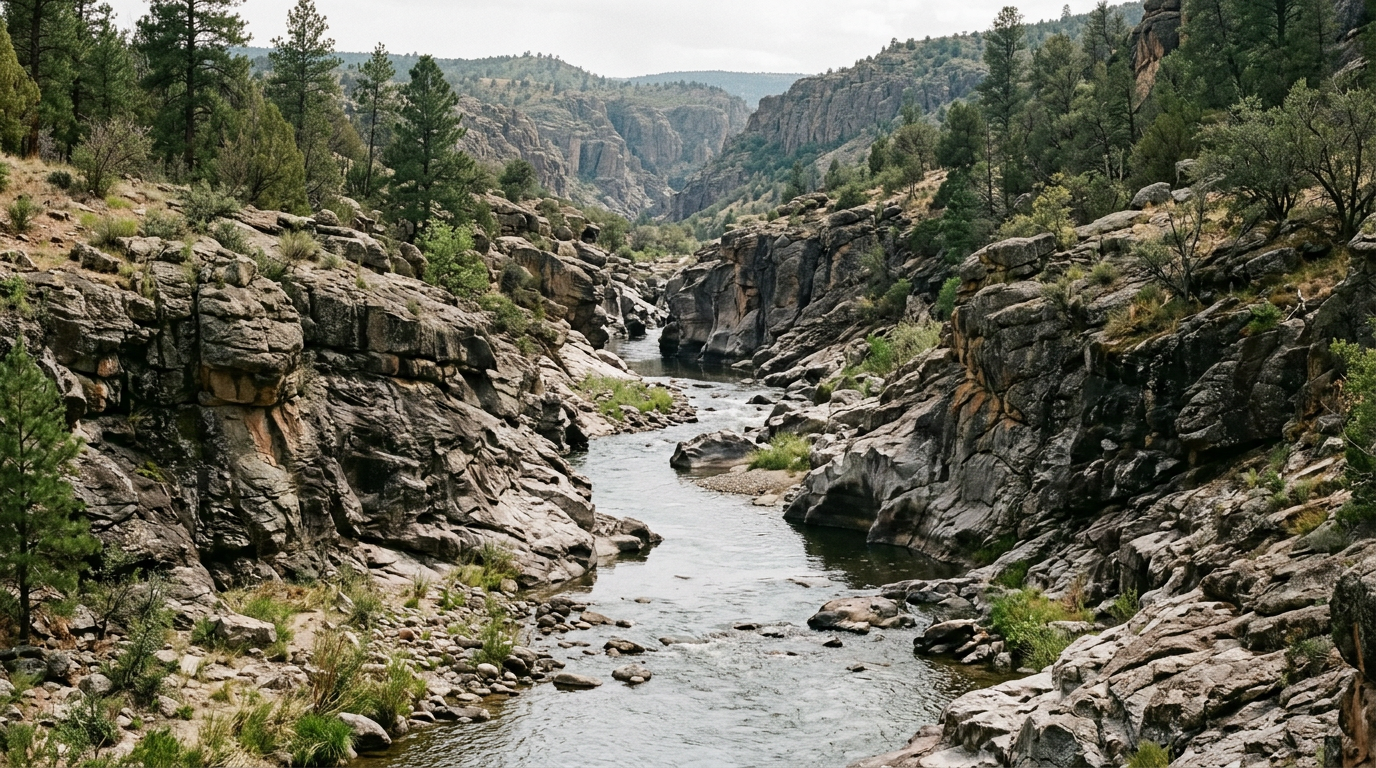
The central tension of this quote lies in the contrast between the fluid and the solid. We tend to view rock as the ultimate symbol of permanence and water as a fleeting, yielding substance. Yet, as Watkins notes, the river eventually wins. This is not a metaphor for a struggle of strength, but a lesson in time horizons.
Unlike sudden cataclysms like earthquakes or landslides, fluvial erosion is a patient process. It functions through abrasion and hydraulic action, wearing down mineral structures one grain at a time. The Grand Canyon was not carved by a flood, but by the Colorado River’s million-year refusal to stop moving.
James N. Watkins, an American author and speaker, originally shared this insight to illustrate the power of hope and steady faith. While often attributed to various ancient philosophers, the specific phrasing belongs to Watkins’ modern observations on human resilience. Unlike stoic maxims that focus on enduring pain, Watkins highlights the creative potential of staying the course.
According to researchers at the University of Pennsylvania, grit—defined as passion and perseverance for long-term goals—is a more accurate predictor of success than IQ or innate talent. Their studies show that individuals who maintain their drive over years, despite failure and plateaus, consistently outperform those who rely solely on high-intensity bursts of brilliance.
Practical Applications
- Professional Mastery: Focus on writing 500 words daily rather than attempting a masterpiece in a weekend.
- Skill Acquisition: Prioritise fifteen minutes of daily practice over a four-hour session once a month.
- Problem Solving: Approach complex hurdles by identifying the smallest point of friction and applying steady pressure until it yields.
Interesting Connections
- Chemical Erosion: Beyond physical force, rivers often change rock through carbonation, where the water itself dissolves the stone’s minerals.
- Related Concept: The Chinese proverb of the water drop piercing the stone (shui di shi chuan).
- Cultural Reference: The final scene of The Shawshank Redemption, where a small rock hammer achieves what a sledgehammer could not.
Does persistence always beat power?
In the long term, yes. While power can achieve immediate results, it is resource-intensive and prone to burnout. Persistence requires fewer resources but relies on the passage of time to manifest its strength.
How do you know when to persist versus when to pivot?
Persistence is about the goal; pivoting is about the method. If the river hits a wall it cannot move, it flows around it, but it never stops moving toward the sea.
Is this quote scientifically accurate?
Yes. Geomorphology confirms that constant water flow is one of the most transformative forces on Earth, capable of altering entire continents through steady erosion.
Key Takeaways
- Small actions: Magnitude matters less than frequency.
- Time as a tool: Patience is not passive; it is an active application of effort over a long horizon.
- Resilience: The ability to continue moving forward is the most reliable way to overcome structural barriers.
Related Reading:
- The Psychology of Grit
- Mastering the Art of Deep Work
- Why Consistency Trumps Intensity
Historical Context
James N. Watkins is a contemporary American author and speaker known for his inspirational writings and insights into personal development and faith. While the exact date and setting of this specific quote's first utterance are not widely publicised, it generally aligns with his body of work which often advocates for virtues such as perseverance and resilience. The quote emerged in a cultural landscape frequently valuing instant gratification and 'quick fixes', making its message of sustained effort particularly resonant and counter-cultural. It's a modern proverb, reflecting timeless wisdom through a fresh, accessible lens, designed to motivate and offer perspective on achieving long-term goals.
Meaning & Interpretation
This profound quote conveys that monumental achievements stem not from overwhelming force or sudden impact, but from consistent, unwavering effort applied over an extended period. Just as water, despite its apparent gentleness, carves canyons by tirelessly flowing over rock, so too can individuals overcome formidable obstacles through steady application and enduring commitment. It highlights that persistent action, however small each step may seem, accumulates over time to create significant and lasting change, far more effectively than sporadic bursts of intense but short-lived power. It's a testament to the quiet strength of endurance.
When to Use This Quote
This quote is highly relevant when encouraging individuals or teams facing daunting long-term projects or seemingly insurmountable challenges. It's perfect for motivational talks in business, education, or personal development settings, particularly when emphasising the importance of consistency over intensity. Use it when advocating for a 'marathon, not a sprint' approach, or to inspire patience and resilience in the face of slow progress. It serves as an excellent reminder that even the most ambitious goals are achieved through a series of persistent, small actions rather than one heroic, all-encompassing effort.
Frequently Asked Questions
Sources & References
- 1GoodreadsThis page provides biographical information and lists books written by James N. Watkins, establishing his identity as an author and speaker.goodreads.com
- 2Codependent No MoreThis author page confirms James N. Watkins's published works and provides a brief author biography, supporting the claim of his authorship and career.amazon.com