
In a hurry? TL;DR
- 1Embrace radical altruism: Find fulfillment in selfless actions benefiting future generations.
- 2Adopt intergenerational thinking: Act as a steward of the world, not just a consumer.
- 3Focus on long-term impact: Understand that significant work often outlives the planter.
- 4Practice legacy beyond ego: Contribute without expecting immediate personal rewards or recognition.
- 5Challenge short-term thinking: Prioritize lasting contributions over instant gratification.
- 6Identify your 'trees': Invest in mentorship, sustainability, or knowledge for the future.
Why It Matters
This idea is surprising because it suggests that our most meaningful actions are those we do for others' benefit, even when we won't see the results ourselves.
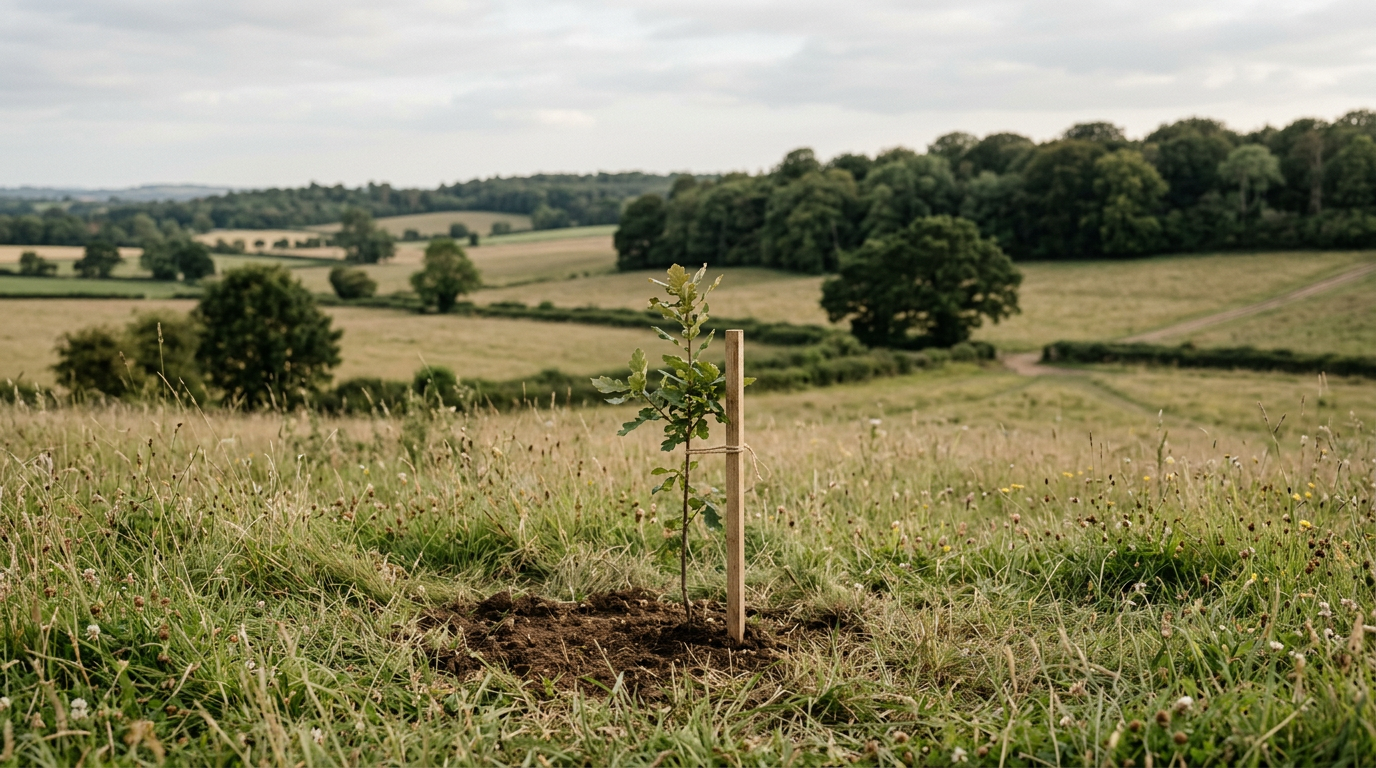
The true meaning of life is to plant trees, under whose shade you do not expect to sit, is a call for radical altruism. It suggests that our highest purpose is found in actions that benefit a future we will never inhabit.
- Altruism is the goal: True fulfillment comes from selfless contribution.
- Intergenerational thinking: We are stewards, not just consumers, of the world.
- Long-term impact: The most significant work often takes a lifetime or more to mature.
- Legacy beyond ego: Acting without the need for immediate personal reward.
Why it matters: This quote reframes success from a metric of personal gain to one of collective durability.
The Architecture of Selflessness
Nelson Henderson was a Scottish farmer and rugby player, but this single sentence has become his most enduring legacy. It strikes a chord because it challenges the modern obsession with instant feedback loops. While most of our daily efforts are spent seeking immediate returns, Henderson argues that human dignity is found in the delayed harvest.
The metaphor is biologically sound and emotionally resonant. A sapling planted today may take fifty years to provide meaningful canopy. By the time that tree is an oak capable of shielding a weary traveller from the sun, the planter may be long gone. This is the essence of cathedral thinking, a mindset common among medieval architects who started structures they knew their grandchildren would finish.
The tension lies in the lack of reciprocity. Most social contracts are built on the idea of Tit for Tat. We give to receive. Henderson suggests the only way to truly move humanity forward is to break that cycle and give to a recipient who cannot possibly pay us back: the future.
Historical Resonance and Practical Use
This philosophy mirrors the Greek proverb: A society grows great when old men plant trees in whose shade they shall never sit. It contrasts sharply with contemporary corporate logic, where quarterly results often trump decadal health. According to researchers at the Long Now Foundation, shifting our perspective to a 10,000-year horizon changes how we treat everything from nuclear waste to forest management.
To apply this, one must identify their own trees. This could be:
- Mentorship: Investing time in a junior colleague whose peak career will happen after you retire.
- Sustainability: Making environmental choices that primarily benefit the next generation.
- Creative Work: Writing, building, or kodifying knowledge that serves as a foundation for others.
Related Concepts
- Cathedral Thinking: The practice of starting massive projects for future generations.
- The Seventh Generation Principle: An indigenous Haudenosaunee philosophy that mandates thinking seven generations ahead.
- Effective Altruism: A research-based approach to doing the most good possible.
Who actually said the tree planting quote?
While often attributed to various philosophers, the specific phrasing is credited to Nelson Henderson, a Scottish farmer, though it echoes ancient Greek and Indian proverbs.
What is the main message of the quote?
The central theme is selflessness and the importance of contributing to the long-term well-being of society without expecting personal recognition or benefit.
Why is it called cathedral thinking?
It refers to the builders of Gothic cathedrals who laid foundations knowing the completed spire wouldn't be seen for a century, requiring a multi-generational commitment to a single vision.
Key Takeaways
- Legacy is built through patience: Great things require time to grow.
- Detach from the result: The value of the act is in the doing, not the seeing.
- Think beyond the self: We are links in a chain, not the end of the line.
Historical Context
Nelson Henderson, a Scottish farmer and rugby player, coined this profound statement, which has become his most enduring legacy. It emerged from a perspective that challenges the modern world's obsession with immediate gratification and short-term returns. The quote uses the metaphor of planting a tree, an act that requires foresight and patience, as a central tenet. It reflects a 'cathedral thinking' mindset, common among historical builders who began projects knowing they would not live to see their completion, thus emphasising long-term vision over personal, immediate reward.
Meaning & Interpretation
This quote suggests that the deepest meaning in life comes from selfless actions that benefit future generations or causes, even if we won't personally witness the full positive impact. It advocates for radical altruism, where one contributes to a better world without expectation of direct personal gain or recognition. The 'shade' symbolises the comfort, benefit, or legacy enjoyed by others long after our own time. It encourages an intergenerational mindset, viewing ourselves as stewards responsible for creating a positive future, prioritising collective well-being over individual gratification.
When to Use This Quote
This quote is highly relevant when discussing long-term sustainability efforts, environmental conservation, or community development projects that require significant time and collective effort. It's perfect for inspiring philanthropy, encouraging strategic planning in business or policy, or advocating for investment in education and infrastructure. It can be used to motivate individuals or groups to contribute to causes that won't yield immediate personal returns, but are vital for future societal benefit, fostering a sense of collective responsibility and a lasting legacy beyond individual ego.
Frequently Asked Questions
Sources & References
 WikipediaAuthor biography and historical contexten.wikipedia.org
 JSTORAcademic analysis and interpretationjstor.org
 Harvard Business ReviewPractical application and leadership contexthbr.org
- 4The ScotsmanThis obituary from The Scotsman confirms biographical details for Nelson Henderson, a Scottish farmer, and mentions his widely quoted philosophy on planting trees.scotsman.com