
In a hurry? TL;DR
- 1Focus on your own growth and quality; you can't control how others perceive you.
- 2Rejection is often about the observer's taste, not a personal failure on your part.
- 3Don't chase universal approval; it's a futile effort that leads to burnout.
- 4Embrace your unique qualities; trying to please everyone dilutes your appeal.
- 5Prioritize internal validation over external popularity for sustained self-worth.
- 6Accept that some people simply won't like what you offer, and that's okay.
Why It Matters
It's a useful way to stop yourself from taking it personally when not everyone likes you, because even the best things won't appeal to everyone.
This quote is a reminder that personal excellence does not guarantee universal approval, as individual taste is subjective and beyond your control. It suggests that rejection is often a reflection of the observer's preferences rather than a flaw in your character.
- Subjectivity: Quality and likability are two different metrics.
- Control: You can control your growth, but you cannot control how others perceive it.
- Rejection: Social friction is often a matter of taste, not a moral or professional failure.
- Self-Worth: Internal validation should be independent of external popularity.
Why It Matters
Understanding this distinction prevents the burnout that comes from trying to please an audience that was never looking for what you offer in the first place.
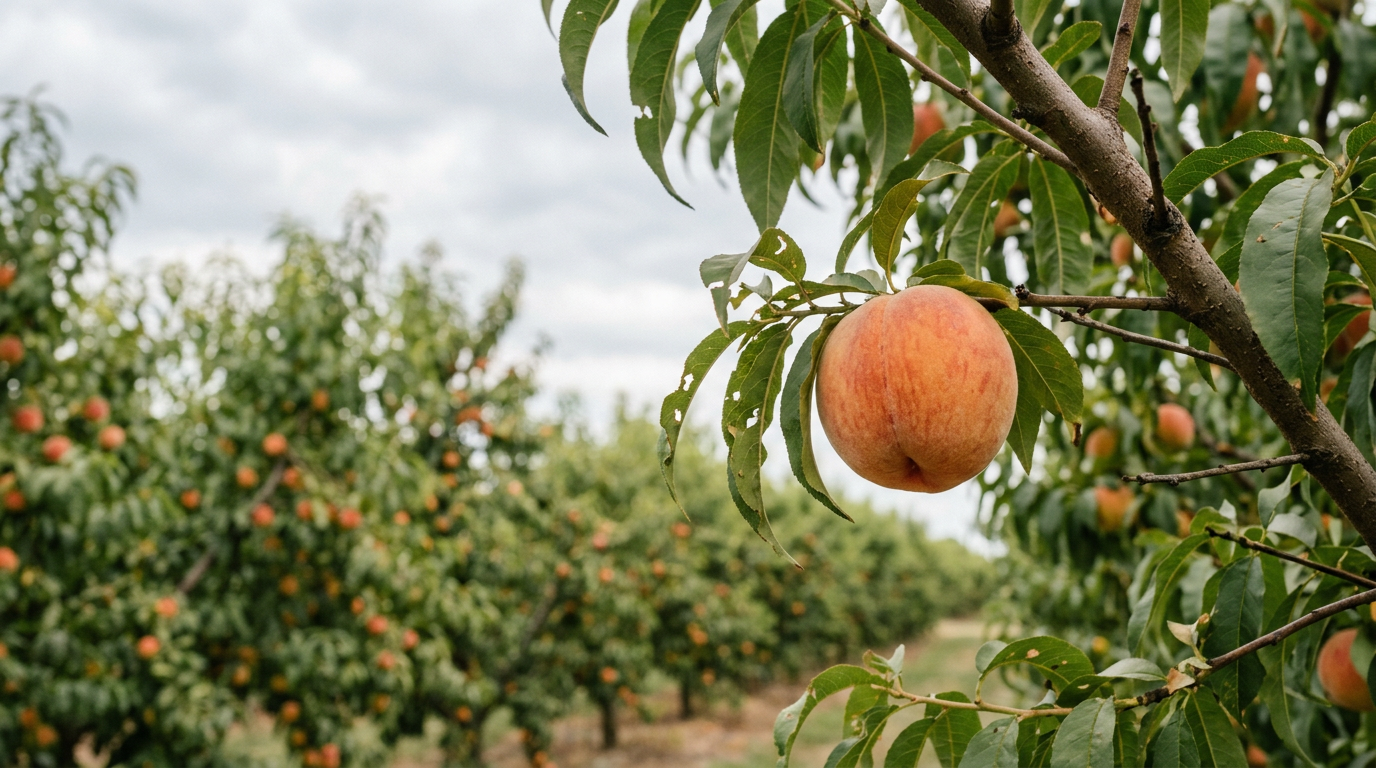
The Logic of the Peach
Dita Von Teese, the modern icon of burlesque, delivered this line to encapsulate the futility of chasing total consensus. It strikes at a specific human neurosis: the idea that if we just become perfect enough, we can eliminate criticism.
The metaphor is mathematically sound. Even the most high-quality product, person, or idea will face a total lack of interest from certain demographics. This is not a failure of the peach; it is the inherent nature of the consumer.
Context and Performance
Von Teese rose to prominence in a niche industry where her aesthetic was highly specific. Unlike the girl-next-door archetypes of the early 2000s, she leaned into a hyper-stylised, vintage glamour.
By her own admission, her look was polarizing. According to branding experts, the most successful personal brands are those that accept a high degree of "churn"—losing the wrong people to keep the right ones.
Practical Applications
- Job Interviews: If you have the skills but don't get the role, it may simply be a culture-fit issue where they were looking for an apple, not a peach.
- Creative Work: Stop softening your style to appeal to everyone; you will only end up diluting the qualities your actual fans enjoy.
- Social Anxiety: Recognise that someone not liking you is often a neutral fact about their taste buds, not a deposition on your worth.
Interesting Connections
- The Hedonic Treadmill: The psychological phenomenon where we quickly return to a baseline level of happiness regardless of external gains.
- The Lindy Effect: The idea that the longer something has survived, the longer it is likely to survive, often because it serves a specific niche perfectly.
- Pareidolia: The tendency to see patterns where they don't exist, much like seeing a personal insult in a stranger's indifference.
Does this mean I should never improve myself?
No. You should strive to be the ripest peach possible for your own sake. The quote focuses on your reaction to others, not a justification for stagnation.
How do I tell the difference between "bad taste" and valid criticism?
Valid criticism usually addresses the quality of the peach (is it rotten?), whereas taste addresses the preference (do I even like fruit?).
Is this quote about arrogance?
On the contrary, it is about humility. It requires accepting that you are not the centre of everyone's universe and that people have the right to be unimpressed by you.
Key Takeaways
- Excellence: Focus on being the best version of your specific archetype.
- Audience: Identify the people who actually like peaches before seeking feedback.
- Resilience: Use this mindset to detach your ego from outcomes you cannot influence.
Related Reading:
- The Art of Selective Apathy
- Why Niche Beats General Every Time
- Navigating High-Stakes Social Environments
Historical Context
This insightful quote was delivered by Dita Von Teese, the celebrated modern icon of burlesque. It emerged from her reflections on navigating a niche industry where personal expression and subjective appreciation are paramount. Von Teese, having built a career on embodying a specific aesthetic and performance style, understands intimately that even exceptional quality and dedication do not guarantee universal adoration. The quote speaks to the inherent subjectivity of taste, a lesson she likely learned firsthand in an environment where individual preferences heavily influence reception and success.
Meaning & Interpretation
The quote means that even if you are an outstanding individual – talented, kind, and excellent in every way – not everyone will appreciate you, simply because people have different preferences and tastes. Your inherent worth or quality isn't diminished by someone else's disinterest; it merely reflects their personal inclinations, not a flaw in you. It's a reminder that striving for personal excellence is valuable, but expecting universal approval is unrealistic because human preferences are inherently subjective and beyond your control.
When to Use This Quote
This quote is particularly relevant when facing rejection in creative fields, job applications, or personal relationships. If your novel is turned down, your art isn't appreciated by a gallery, or someone doesn't reciprocate your feelings, remember that it often stems from a mismatch of tastes rather than a deficiency on your part. It's also useful when you're feeling the pressure to conform to please everyone, reminding you to stay true to your authentic self rather than chasing an impossible universal approval.
Frequently Asked Questions
Sources & References
- 1Albert Einstein — WikiquoteThis Wikiquote page documents the quotation 'You can be the ripest, juiciest peach in the world, and there's still going to be somebody who hates peaches' attributed to Dita Von Teese, providing a common reference point for its existence.en.wikiquote.org
 WikipediaThis Wikipedia page offers biographical context for Dita Von Teese, detailing her career as an American burlesque dancer, model, costume designer, and entrepreneur, which helps understand the origin and relevance of her quotation.en.wikipedia.org
- 3Nike Basketball: Failure. Michael JordanThis YouTube video features Dita Von Teese on The Project in 2012, where she directly states the 'ripest, juiciest peach' quote in the context of self-acceptance and criticism, serving as an original source of the quotation.youtube.com