
In a hurry? TL;DR
- 1Don't let past inaction paralyze you; the present is your best opportunity to start that important task.
- 2Acknowledge regret but use it as motivation to begin now, rather than continuing to delay.
- 3Realize that the value of delayed action compounds over time, making sooner always better than never.
- 4Focus on the potential of the next twenty years by starting today, not on the years already passed.
- 5Apply this wisdom to finances, skills, and relationships by taking a small, immediate step.
- 6Perfection in timing is a myth; focus on actionable steps in the present to build a better future.
Why It Matters
This timeless piece of advice cleverly encourages us to act now by highlighting that even a delayed start is far more beneficial than no start at all.
This proverb is a call to immediate action that dismisses the weight of past neglect. It acknowledges that while ideal timing may have passed, the present moment is the only viable alternative to perpetual delay.
- Timing: Perfection is a myth used to justify procrastination.
- Responsibility: Your future self depends on the decisions you make today.
- Growth: Compounding rewards, whether in nature or finance, require a starting point.
- Urgency: The window for action is always open until you choose to close it.
Why It Matters: This quote reframes regret as fuel, turning the pain of a missed opportunity into the motivation for a fresh start.
What the quote means
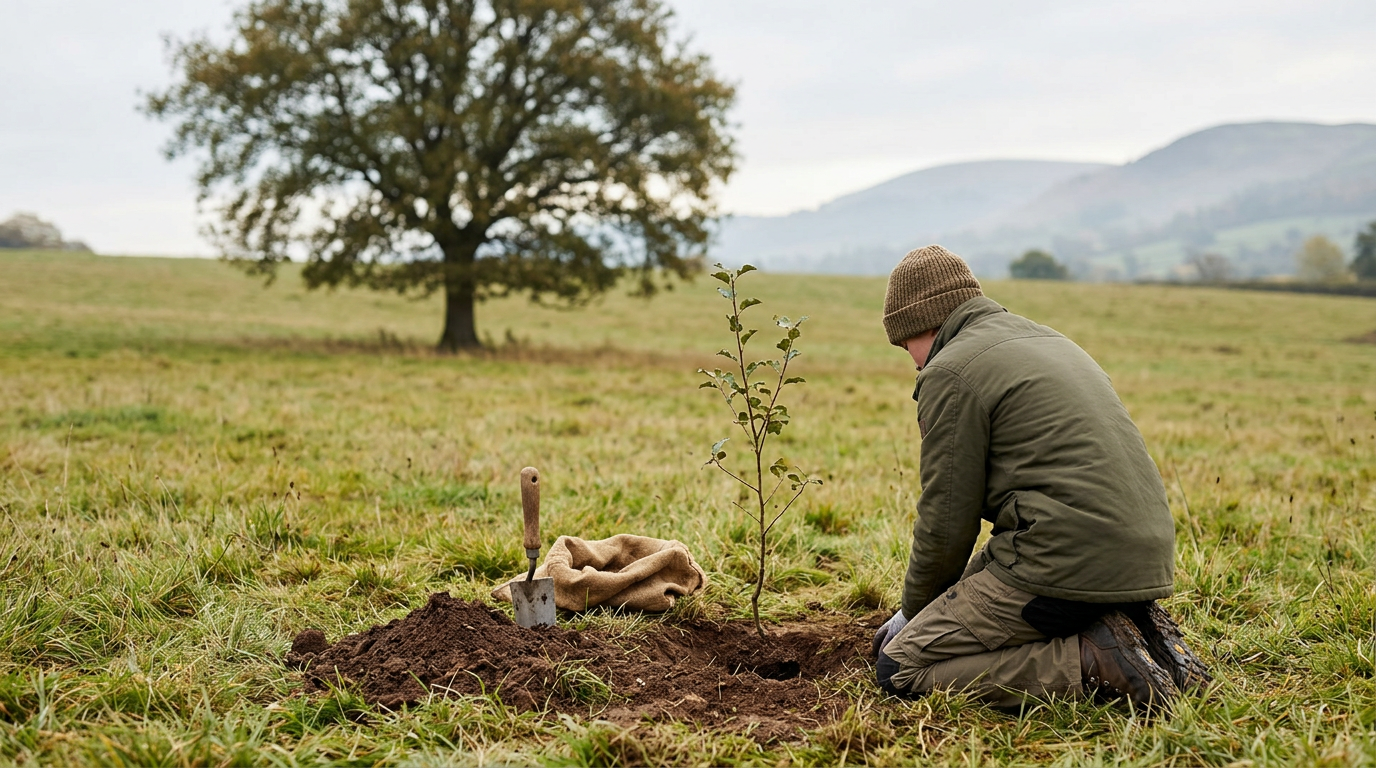
The core of this proverb lies in the concept of compounding. A tree planted two decades ago would now provide shade, fruit, and structural integrity. By acknowledging twenty years have passed, the quote validates your regret. It does not argue that now is better than the past; it argues that now is infinitely better than never.
In modern psychology, this aligns with the sunk cost fallacy. Many people refuse to start a new career or hobby because they feel they are too old or have already wasted their prime years. This proverb serves as a corrective lens, shifting the focus from lost time to the potential of the next twenty years.
Historical context
While commonly attributed as a Chinese Proverb, the sentiment mirrors ancient agrarian wisdom found in various cultures, from Africa to the Levant. It reflects a society where survival depended on long-term forestry and orchard management.
In a traditional Chinese context, planting trees was often tied to legacy and family lineage. A timber tree planted at the birth of a daughter might be harvested to pay for her wedding two decades later. If the father forgot to plant it then, the only way to catch up was to plant it today.
How to apply this wisdom practically
- Financial health: If you missed the bull market of the last decade, start a modest index fund contribution this afternoon.
- Skill acquisition: Do not lament the years you did not spend learning a language; spend fifteen minutes on a lesson today.
- Relationships: Repairing a long-standing rift is more effective today than it will be in another five years of silence.
Similar quotes and contrasting perspectives
- The Greek Proverb: A society grows great when old men plant trees in whose shade they shall never sit.
- The Sun Tzu Variation: The best way to win a war is to never fight it, but if you must fight, do it now.
- Contrasting View: Voltaire’s warning that the perfect is the enemy of the good suggests that starting poorly now is better than waiting to start perfectly later.
Who actually wrote this quote?
While widely cited as a Chinese Proverb, there is no specific scholar or text, such as Confucius or Lao Tzu, linked to it. It is likely a piece of folk wisdom aggregated over centuries of agricultural life.
Why is it so popular in business?
Venture capitalists and entrepreneurs use it to combat the fear of market entry. It suggests that even if a market is saturated, the best time to compete is immediately rather than waiting for a gap that may never come.
Does this apply to environmentalism?
Yes, it is the unofficial mantra of global reforestation projects. It highlights that while we cannot undo the deforestation of the past century, we can fundamentally alter the climate of the next century by acting today.
Key Takeaways
- Regret: Past inaction is a data point, not a life sentence.
- Action: The present moment is the only point of leverage you possess.
- Patience: Recognize that the best results take time to mature.
Explore more on the Sunk Cost Fallacy, the power of Kaizen, and Decision Paralysis.
Historical Context
This ancient Chinese proverb embodies a timeless wisdom that transcends specific historical events, speaking instead to fundamental human tendencies of procrastination and the idealisation of past opportunities. Its origins are not definitively tied to a particular philosopher or period, suggesting it emerged from collective folk wisdom developed over centuries. It likely arose in a society where agriculture and long-term planning, symbolised by the slow growth of trees, were essential for survival and prosperity. The proverb reflects an understanding of the long-term benefits of early action and the pragmatic acceptance that despite missed chances, the present is always the next best opportunity to begin.
Meaning & Interpretation
This proverb advises that while it would have been ideal to undertake a beneficial task or make a positive change a long time ago, lamenting that lost time is unproductive. Instead, it forcefully advocates for immediate action. The 'tree' represents any long-term endeavour that yields significant benefits over time, such as saving money, learning a new skill, or improving one's health. The message is to not let regret over past inaction paralyse you, but rather to seize the current moment to begin your efforts, as delaying further will only deepen the regret and prolong the wait for the desired results. It's a powerful call to overcome procrastination.
When to Use This Quote
This proverb is highly relevant when encouraging someone, or oneself, to start a long-term beneficial activity that they have been putting off. It's perfect for motivating someone to begin saving for retirement, even if they're in their forties or fifties, or to commence a new exercise regime after years of inactivity. It's also applicable for individuals considering a career change later in life, or for students contemplating starting a new degree. Essentially, use it whenever past delays are causing hesitation about initiating an endeavor where the benefits compound over time, providing a pragmatic push to act now.
Frequently Asked Questions
Sources & References
- 1GoodreadsThis Goodreads page provides the quote and attributes it as a Chinese Proverb, aligning with the article's core statement.goodreads.com
- 2Albert Einstein — WikiquoteThis entry attributes the proverb, 'The best time to plant a tree was 20 years ago. The second best time is now,' to Chinese proverbs.en.wikiquote.org