
In a hurry? TL;DR
- 1Prioritize long-term goals over immediate gratification to achieve substantial future rewards.
- 2Invest consistently, even small amounts, to benefit from the exponential growth of compounding.
- 3Cultivate a responsible mindset, building for future generations and lasting impact.
- 4Recognize that significant achievements require patience and sustained effort, often unseen.
- 5Apply this philosophy to finances, reputation, and skill development for enduring success.
- 6Embrace the principle that today's comforts are the result of past investments.
Why It Matters
This quote highlights how present-day benefits are often the unseen fruit of long-past efforts, encouraging us to embrace patient, forward-thinking actions.
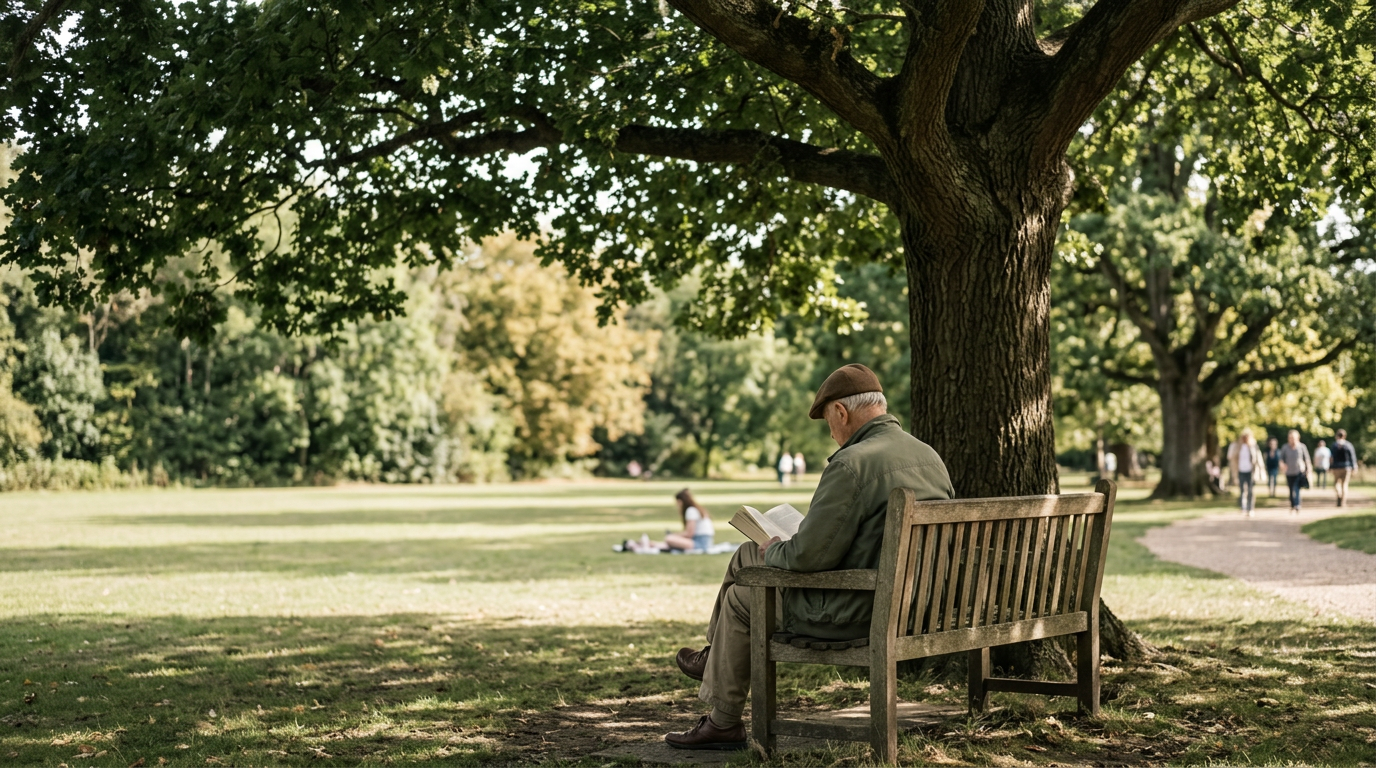
Warren Buffett’s signature quote is a reminder that the benefits we enjoy today are the results of decisions made years, or even decades, before. It advocates for long-term thinking and the compounding power of patience over the lure of immediate gratification.
TL;DR
- Success is a lagging indicator: Results show up long after the effort is spent.
- Compound interest: Small investments of time or capital grow exponentially.
- Stewardship: We have a responsibility to build things that outlast our own needs.
Why It Matters
This quote serves as the ultimate antidote to the modern obsession with overnight success, reminding us that true stability is grown, not bought.
Passive Growth and Patience
While often cited by financial advisors, the logic applies to any form of legacy. Warren Buffett, the Chairman of Berkshire Hathaway, famously prioritises the long game. Unlike the frenetic pace of Wall Street day traders, Buffett’s philosophy centres on intrinsic value and the endurance of an asset.
The core tension here is time. Humans are biologically wired for instant rewards, yet the most significant achievements—be it a healthy forest, a stable pension, or a solid reputation—require a period of invisibility. You must be willing to do the work when there is no shade in sight.
Historical Context
Buffett first popularised this sentiment in the early 1990s, though the metaphor of planting trees for future generations exists in various cultural proverbs, from Ancient Greece to China. Buffett used it to justify his refusal to follow market trends. During the late 1990s dot-com bubble, when others were chasing rapid returns in unproven tech stocks, Buffett stayed the course with boring, established industries. By the time the bubble burst in 2000, his shade was much cooler than those who had neglected to plant.
Practical Applications
- Financial Planning: Automate small investments today to ensure a comfortable retirement later.
- Reputation Building: Act with integrity in minor interactions now to build a career-long foundation of trust.
- Skill Acquisition: Spend an hour a day learning a difficult craft that will make you indispensable in five years.
Similar Perspectives
- Contrasting View: John Maynard Keynes famously said, In the long run, we are all dead, arguing for immediate government intervention rather than waiting for markets to fix themselves.
- Greek Proverb: A society grows great when old men plant trees in whose shade they shall never sit.
Is this quote only about money?
No. While Buffett is a financier, the principle applies to any long-term endeavour, including parenting, environmental conservation, and education.
When is the best time to start planting?
As the related proverb suggests, the best time was 20 years ago. The second best time is today.
Why do people struggle with this concept?
Delaying gratification is difficult because the human brain prioritises survival in the present over theoretical comfort in the future.
Key Takeaways
- Foresight: Think in decades, not days.
- Legacy: Build systems that provide value even after you have moved on.
- Patience: Accept that there is a natural lead time between action and reward.
Related Content:
- The Psychology of Compounding
- Investing Secrets of the Sages
- The Art of the Long Game
Historical Context
This well-known quote comes from Warren Buffett, a legendary American investor celebrated for his long-term investment strategies and profound business acumen. He is often considered one of the most successful investors in history, the Chairman and CEO of Berkshire Hathaway. This particular aphorism encapsulates his philosophy of patience, foresight, and the compounding returns – not just financial, but in all aspects of life – that come from early, consistent effort. It reflects a perspective deeply rooted in an understanding of delayed gratification and the power of sustained foundational work.
Meaning & Interpretation
The quote means that the comfortable, beneficial, or successful circumstances we experience today are frequently the direct outcome of conscious efforts, sacrifices, or investments made by others (or by ourselves) much earlier. It underscores the concept of 'planting seeds' – taking actions now, even if they show no immediate return, that will eventually yield substantial benefits or a protected environment in the future. It champions planning, perseverance, and the idea that present comfort often rides on the legacy of past diligence and foresight.
When to Use This Quote
This quote is highly relevant when discussing long-term planning, whether in financial investments, career development, educational pursuits, or personal growth. It's perfect for motivating someone to start a new, challenging endeavour that won't show immediate results, like saving for retirement, learning a new language, or building a sustainable business. It can also be used to appreciate previous generations' contributions or highlight the importance of creating a positive legacy for the future, emphasising the value of patience and consistent effort over instant gratification.
Frequently Asked Questions
Sources & References
- 1Albert Einstein — WikiquoteThe quote "Someone is sitting in the shade today because someone planted a tree a long time ago." is attributed to Warren Buffett.en.wikiquote.org
- 2InvestopediaWarren Buffett earned 99 percent of his multibillion-dollar wealth after his 50th birthday, illustrating the power of compounding and long-term investment.investopedia.com