
In a hurry? TL;DR
- 1Mastery comes from consistent small actions, not single bursts of genius.
- 2Focus on the daily process and individual steps, not just the final outcome.
- 3Break down large goals into tiny, manageable tasks to avoid overwhelm.
- 4Build new habits by starting with very small, achievable actions, like the two-minute rule.
- 5Sustain creative resilience by focusing on regular, small efforts against inertia.
- 6Recognize that great achievements are built on countless minor decisions and practice.
Why It Matters
This idea is useful because it shows that even daunting tasks can be achieved by focusing on consistent, small steps rather than trying to achieve perfection all at once.
Vincent van Gogh’s observation suggests that mastery and monumental achievement are not the result of a single, explosive stroke of genius, but the cumulative effect of tiny, deliberate actions sustained over time. It is a philosophy of aggregation over inspiration.
The Core Concept
- Incrementalism: Success is a mosaic, not a monolith.
- Process over Outcome: Focus on the individual brushstroke rather than the final canvas.
- Patient Labour: The rejection of the myth of the overnight sensation.
- Creative Resilience: Small, daily efforts provide a hedge against the paralysis of big goals.
Why It Matters
This quote reframes overwhelming ambitions into manageable units, making the impossible feel like a matter of simple arithmetic.
The Architecture of a Masterpiece
We often view Van Gogh as the archetype of the tortured, spontaneous artist, but his letters to his brother Theo reveal a man obsessed with the mechanics of his craft. He wrote this specific line in 1882, years before he would paint The Starry Night. At the time, he was struggling with the basics of figure drawing and perspective, reminding himself that even the most celebrated works are just thousands of small decisions layered on top of one another.
In contrast to the Romantic ideal of the artist struck by a divine bolt of lightning, Van Gogh’s perspective aligns more with modern behavioural science. According to researchers at University College London, it takes an average of 66 days for a new behaviour to become automatic. Van Gogh understood this intuitively: the greatness of a painting is found in the discipline of the sketch.
The quote serves as a corrective to our obsession with scale. When we see a finished masterpiece, we suffer from survivorship bias, seeing only the result while ignoring the hundreds of failed studies and minor adjustments that made it possible. Van Gogh suggests that if you take care of the small things, the great things will eventually take care of themselves.
Practical Applications
- Creative Projects: Focus on writing 200 words a day rather than finishing a novel; the volume eventually dictates the quality.
- Skill Acquisition: Break a complex skill, like coding or a new language, into ten-minute sessions to bypass the brain’s resistance to big tasks.
- Habit Formation: Use the two-minute rule to start a new routine, ensuring the initial barrier to entry is as small as possible.
Similar Perspectives
- Lao Tzu: The journey of a thousand miles begins with a single step.
- Robert Collier: Success is the sum of small efforts, repeated day in and day out.
- James Clear: You do not rise to the level of your goals, you fall to the level of your systems.
What was the specific context of this quote?
It appeared in a letter to his brother Theo in October 1882. Van Gogh was discussing his progress in drawing and his belief that persistence was more valuable than raw talent.
Does this apply to non-artistic goals?
Absolutely. Whether in engineering, athletics, or business, the principle of marginal gains—the idea that small improvements in every area lead to a significant overall increase—is a direct application of Van Gogh's logic.
Did Van Gogh feel he had achieved greatness?
Rarely. He remained highly self-critical throughout his life, often viewing his individual works as mere stepping stones toward a future masterpiece he wasn't sure he would ever reach.
Key Takeaways
- Consistency: Small acts performed daily outweigh large acts performed occasionally.
- Reductionism: Break large goals into their smallest constituent parts to avoid overwhelm.
- Foundation: Greatness is a structural result of solid, minor components.
Learn more about the Philosophy of Stoicism, the Power of Habit, and Creative Discipline.
Historical Context
Vincent van Gogh penned this insightful observation in 1882, long before he achieved widespread artistic recognition or painted his most iconic masterpieces. At this point in his career, Van Gogh was grappling with fundamental artistic challenges, specifically mastering figure drawing and perspective. He was not yet the 'tortured, spontaneous artist' of popular myth, but rather a diligent craftsman meticulously building his skills. The quote originates from a period of patient, foundational work, reflecting his personal struggle and philosophy that even monumental achievements are constructed from countless modest efforts.
Meaning & Interpretation
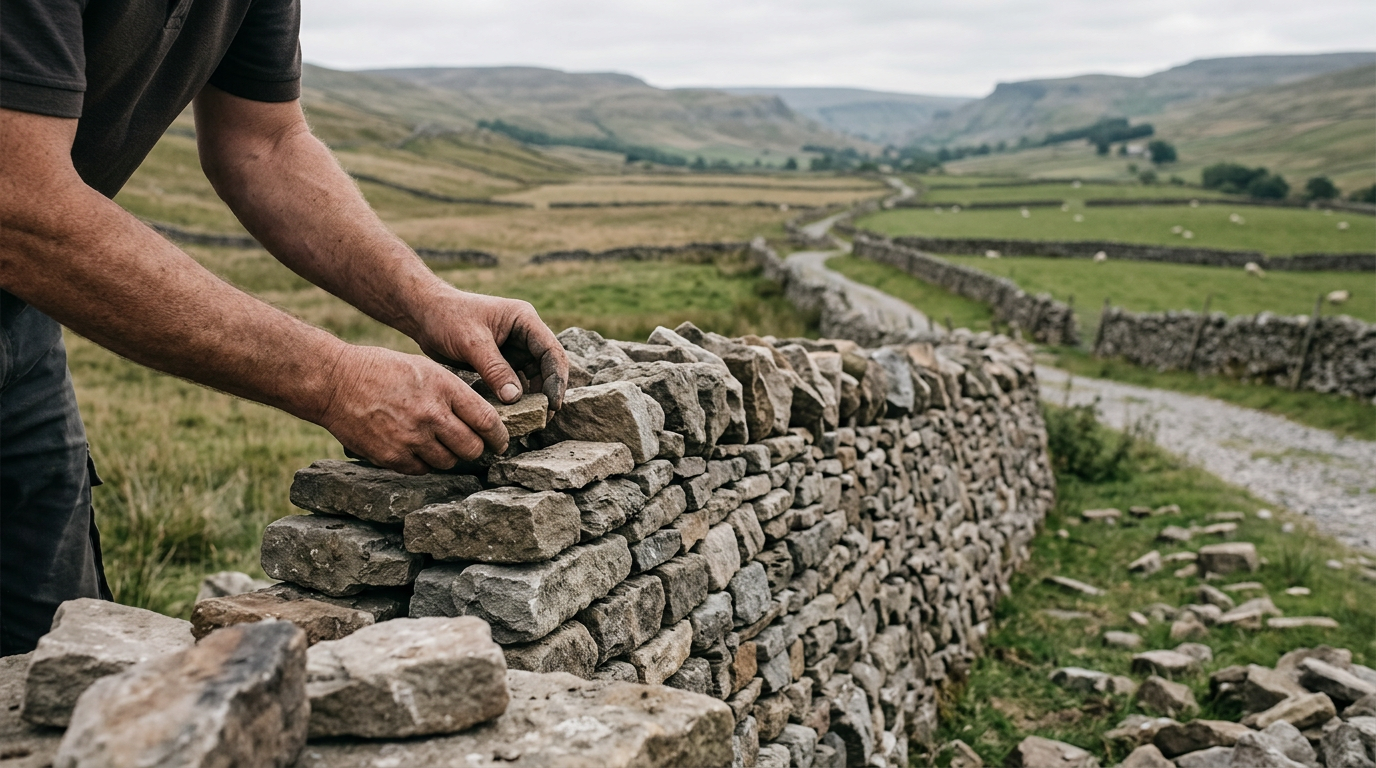
This quote means that truly significant accomplishments, whether artistic, professional, or personal, are not the result of a single, extraordinary event or a flash of genius. Instead, they emerge from the accumulation of numerous small, often unremarkable, actions performed consistently over time. It advocates for an incremental approach, where each tiny step, each minor improvement, and each persistent effort contributes to a larger, impressive outcome. It suggests that success is built brick by brick, rather than being delivered in one grand, sweeping gesture.
When to Use This Quote
This quote is particularly apt when encouraging someone overwhelmed by a large goal, such as writing a book, mastering a new skill, or undertaking a complex project. It serves as a reminder that consistency and minor daily efforts are more effective than waiting for a single burst of inspiration. It's useful in a team setting to promote an incremental development strategy, or for personal development to break down seemingly impossible tasks into manageable steps. It reassures that steady progress, no matter how small, invariably leads to significant achievement.
Frequently Asked Questions
Sources & References
- 1Albert Einstein — WikiquoteThis page documents various quotations attributed to Vincent van Gogh, including those from his letters, which is where the article states the specific line originated.en.wikiquote.org
 WikipediaThis comprehensive biographical source provides extensive information about Vincent van Gogh's life, career, artistic development, and correspondence, offering context for his work and philosophical observations.en.wikipedia.org
- 3Letters of Vincent van GoghThis source is a public archive of Vincent van Gogh's letters, which are cited in the article as the origin of the quotation and provide insight into his thoughts on art and practice.vangoghletters.org