
In a hurry? TL;DR
- 1Shift your perspective by viewing the end of high-energy phases as a necessary transition toward producing tangible, meaningful results rather than focusing on aesthetic losses.
- 2Prioritize the substance of your long-term achievements and hard-earned wisdom over the fleeting, high-energy excitement often associated with early-stage creative or personal growth cycles.
- 3Accept quiet, less colorful periods in your work as essential phases where your ideas and efforts finally ripen into something of real value.
- 4Reframe the conclusion of projects as a natural consolidation of energy, allowing you to move from superficial invitations to the fulfillment of genuine objectives.
- 5Embrace the transition into maturity by valuing the intellectual clarity and stability that follows the volatile, intensive growth periods of your younger years.
Why It Matters
This perspective is useful because it encourages us to value the tangible achievements of maturity rather than mourning the loss of a project's initial, fleeting excitement.
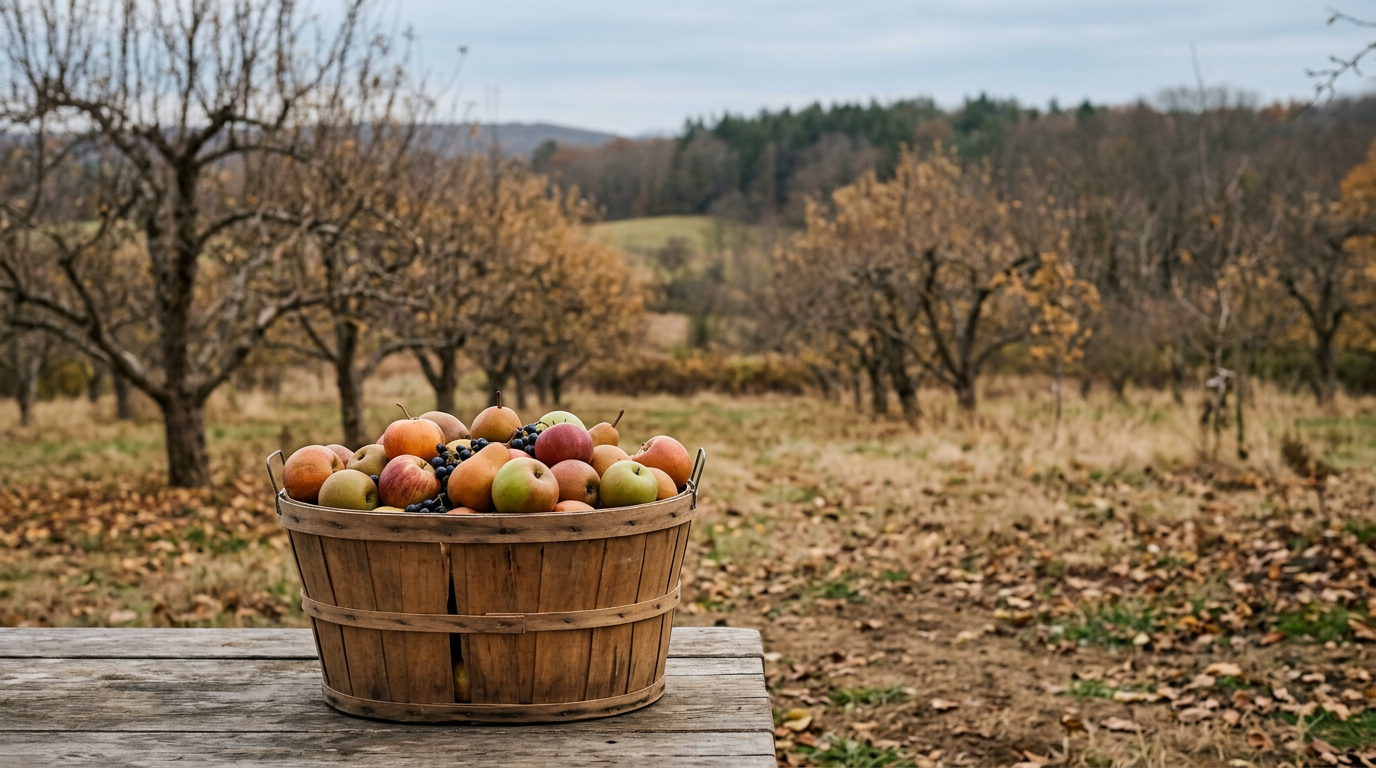
Samuel Butler’s observation suggests that while autumn marks the end of summer’s superficial beauty, it delivers a deeper, more substantial harvest. It is an argument for valuing maturity and results over the fleeting aesthetic of youth.
TL;DR
- Maturity vs. Aesthetics: The quote contrasts the visual appeal of flowers with the utility of fruit.
- Timing: Butler reframes the end of the year not as a death, but as a culmination.
- Temperament: It champions a mellower, more reflective state of mind over high-energy growth.
Why It Matters
In a culture obsessed with the new and the blossoming, Butler reminds us that the most valuable outputs often arrive only after the initial excitement has faded.
The Logic of the Harvest
Samuel Butler, the Victorian iconoclast best known for his satirical novel Erewhon, was not one for sentimental fluff. When he noted that what we lose in flowers we gain in fruits, he was speaking to a biological and psychological reality. Flowers are an invitation; fruits are the achievement.
The quote highlights the trade-off inherent in any creative or biological cycle. A tree cannot produce fruit while it is still pouring energy into its petals. To get the substance, you have to let go of the show. Unlike the frantic growth of spring, autumn represents a period of consolidation.
According to researchers at the University of Rochester, there is a measurable psychological shift in how humans perceive value during different seasons. Spring is associated with possibility, but autumn is consistently linked to a sense of completion and satisfaction. Butler’s mellower season is the time when the work of the previous months finally becomes tangible.
Context and Character
Butler lived during the height of the Victorian era, a time of rigid social expectations. His writing often pushed back against the idea that life should follow a strictly linear, decorative path. By praising the mellower season, he was likely defending the merits of middle age and the intellectual clarity that comes after the heat of youth has subsided.
Practical Applications
- Career Transitions: View the end of a flashy, high-energy project as the necessary clearing for a more substantial long-term result.
- Creative Cycles: Accept the quiet, less colourful periods of work as the essential phase where ideas actually ripen.
- Personal Growth: Value the stability and wisdom of your later years over the volatile energy of your younger self.
Similar Perspectives
- Albert Camus: Autumn is a second spring when every leaf is a flower.
- Contrast: F. Scott Fitzgerald famously argued there are no second acts in American lives, a direct contradiction to Butler’s belief in the harvest of later stages.
- John Keats: In his poem To Autumn, he describes the season as a close bosom-friend of the maturing sun, mirroring Butler’s focus on ripeness.
What does mellower season mean?
It refers to a period of life or time that is less intense, more relaxed, and marked by a sense of calm completion rather than frantic growth.
Is Butler talking about aging?
Yes, the quote is frequently interpreted as a metaphor for the transition from the beauty of youth (flowers) to the wisdom and productivity of middle age (fruits).
Key Takeaways
- Substance over Show: Flowers are temporary; fruits provide the actual nourishment.
- Necessary Loss: You cannot have the harvest without the petals falling first.
- Reclaiming Decline: Autumn should be viewed as a peak of utility, not a descent into winter.
Read more about the Philosophy of Time, the Psychology of Seasons, and Great Victorian Thinkers.
Historical Context
Samuel Butler penned this observation in his personal notebooks during the late nineteenth century, a collection later published posthumously as The Note-Books of Samuel Butler in 1912. Writing in Victorian Britain, an era frequently enamoured with youthful vigour, industrial expansion, and superficial ornamentalism, Butler adopted an iconoclastic approach to literature and philosophy. He often used the natural world to examine human psychology, evolutionary theory, and the inevitability of change. Rather than mourning the decay of summer like many contemporary Romantic-influenced writers, Butler’s pragmatic perspective reframed seasonal shifts as a transition from delicate potential to tangible reward, celebrating the quiet consolidation of maturity.
Meaning & Interpretation
Life inevitably trades fleeting beauty for lasting substance. While spring and summer represent vivacious beginnings, ornamental beauty, and intense vitality, autumn symbolises maturation and fulfilment. Flowers are visually enchanting and full of promise, yet they are transient; fruits, conversely, provide genuine nourishment and represent the actualisation of earlier efforts. The sentiment serves as an extended metaphor for ageing, creative labour, and personal development. As initial passions and youthful aesthetics fade, they yield wisdom, stability, and enduring accomplishments. True progress often requires relinquishing external charm to welcome a deeper, more nourishing reward.
When to Use This Quote
This aphorism proves fitting during major life transitions, particularly milestone birthdays or retirement celebrations where an individual reflects upon decades of hard-won experience. It offers comforting perspective to someone anxious about growing older, changing careers, or concluding the initial, exhilarating phase of a long-term enterprise. It can also be woven into project post-mortems or creative retrospectives, acknowledging that while the initial excitement and novelty have dissolved, the enduring value, knowledge, and tangible results produced are far more substantial and worthy of celebration.
