
Quick Answer
Cavort means to jump, dance, or move about in a lively and unrestrained way. It's an interesting word because it captures that feeling of pure, uninhibited joy when happiness spills out into physical movement, suggesting a bit of delightful chaos.
In a hurry? TL;DR
- 1Cavort means to jump or dance in a high-spirited, boisterous, and joyous manner.
- 2It signifies unrestrained physical expression, moving with pure kinetic energy and zero utility.
- 3The word implies a lack of self-consciousness and can carry a hint of mischief or scandal.
- 4Use 'cavort' for animals, children, or adults exuberantly abandoning inhibitions.
- 5It captures a specific energetic state between dancing and rioting, emphasizing spiritedness.
- 6Cavorting is an unstructured movement driven by pure, uninhibited happiness.
Why It Matters
Cavort is an interesting word because it precisely captures the uninhibited, boisterous joy of movement that's neither planned nor graceful.
To cavort is to jump, dance, or move about in a high-spirited, boisterous manner. It suggests a physical release of joy that borders on the rowdy, typically performed without concern for decorum.
TL;DR
- Definition: To leap or dance around excitedly.
- Vibe: High-energy, playful, and slightly chaotic.
- Origin: Likely an Americanism from the early 19th century.
- Usage: Best applied to animals, children, or adults who have abandoned their inhibitions.
Why It Matters
Cavort occupies a specific linguistic space between simple dancing and outright rioting, capturing the exact moment when happiness becomes physical.
The Vital Statistics
Part of Speech: Verb Pronunciation: kuh-VAWRT (/kəˈvɔːrt/) Definition: To apply oneself to extravagant or frisky behavior; to prance.
The Art of Unstructured Movement
Most words for movement imply a goal. You run to a finish line; you walk to the shop. To cavort, however, is to move with zero utility. It is pure kinetic expression.
The word first surfaced in American English around 1807. While its exact lineage is debated, etymologists often link it to the word curvet, a specific equestrian leap where a horse jumps with its forelegs tucked.
In a cultural sense, the word often carries a faint scent of scandal or mischief. If you hear that someone was cavorting at a party, you assume there was more than just polite conversation involved. It implies a level of spiritedness that might make a bystander raise an eyebrow.
According to researchers at the University of Michigan’s Middle English Dictionary project, many expressive verbs beginning with c and ending in t carry a sense of sharp, sudden action. Cavort fits this phonesthemic profile perfectly, sounding as bouncy as the action it describes.
Origins and Evolution
Cavort in Context
- After the final whistle, the fans flooded the pitch to cavort with the players in a blur of club colours.
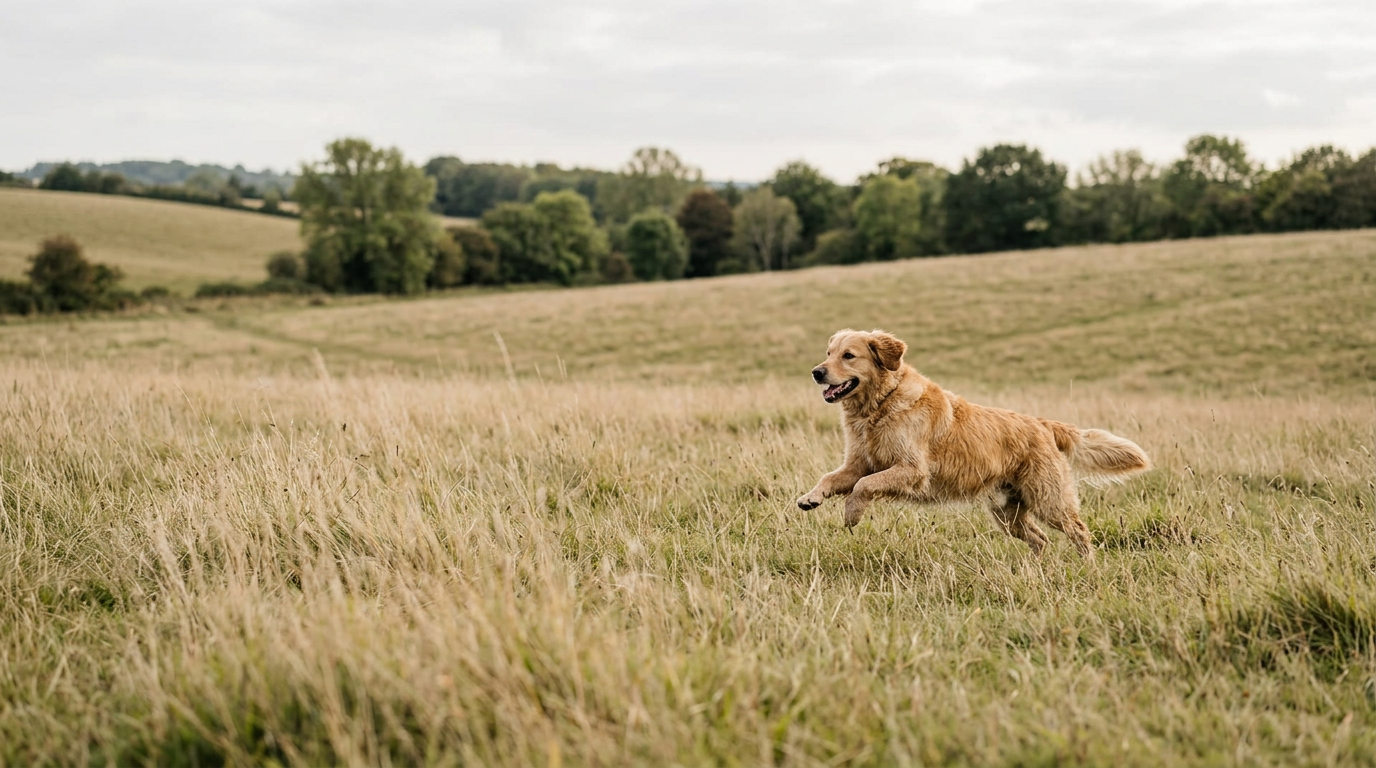
- The puppies began to cavort in the tall grass, oblivious to the rain.
- When I retire, I plan to cavort around the world across all seven continents while listening to heavy metal music.
- While the headmaster was away, the senior students were found cavorting in the staff common room.
Shades of Energy
Synonyms
- Gambol: To skip or hop about playfully.
- Caper: To skip in a frolicsome manner.
- Rollick: To behave in a free, hearty, jovial way.
- Frolic: To play and move about cheerfully.
Antonyms
- Mope: To be dejected and listless.
- Trudge: To walk slowly with heavy steps.
- Sulk: To be silent and morose.
Practical Usage Tips
Use cavort when the movement is loud, visible, and slightly undignified. If someone is dancing beautifully at a wedding, they are dancing. If they are on a table with a tie wrapped around their head, they are cavorting.
Is cavorting always a physical act?
Almost always. While you can use it metaphorically to describe a mind jumping between ideas, it primarily refers to physical exuberance and leaping.
What is the difference between cavort and gallivant?
To gallivant is to travel or roam about in search of pleasure. To cavort is the specific, high-energy movement you might do once you arrive there.
Can it be used in a professional setting?
Rarely. Because it implies a loss of control or a lack of seriousness, calling a colleague's behavior cavorting is usually a critique of their professionalism.
Key Takeaways
- It is an Americanism that likely evolved from equestrian terms.
- It describes movement that is energetic, purposeless, and joyful.
- It often carries a secondary meaning of behaving in a way that is slightly inappropriate.
- Unlike prancing, which is vain, cavorting is purely about the release of energy.
Example Sentences
"The children loved to cavort through the sprinklers on hot summer days, laughing and splashing."
"After receiving the excellent news, the dog began to cavort around the garden with sheer joy, tail wagging furiously."
"The wild ponies would often cavort across the open moors, their movements free and unburdened."
"During the festival, people would cavort in the town square, celebrating with music and spontaneous dancing."
"Despite her age, she still had the energy to cavort playfully with her grandchildren, chasing them around the park."
Frequently Asked Questions
Sources & References
 Merriam-WebsterDefinition, pronunciation, and usage examples of 'cavort'.merriam-webster.com
- 2Online Etymology DictionaryEtymology and origin of 'cavort', noting its likely derivation from 'curvet'.etymonline.com
- 3Collins DictionaryDefinition, synonyms, and example sentences demonstrating the usage of 'cavort'.collinsdictionary.com