
Quick Answer
A varietal refers to something of a specific type, most commonly used for wines made from a single grape. It matters because understanding varietal wines reveals the unique character of that particular grape, like the crispness of a Sauvignon Blanc or the boldness of a Cabernet Sauvignon, enhancing your drinking experience.
In a hurry? TL;DR
- 1A varietal refers to a wine made from at least 75% of a single grape type, highlighting its pure characteristics.
- 2The term 'varietal' bridges the gap between the grape (variety) and the wine made from it, signifying singular origin.
- 3Understanding varietal wines helps distinguish specific grape profiles from generic blends, aiding wine appreciation.
- 4Varietal labeling, popularized in the 20th century, simplifies wine selection by focusing on grape names over regions.
- 5Precision in varietal identification is crucial for preserving genetic diversity and specific traits in agriculture and botany.
- 6The word 'varietal' emphasizes distinct lineage and singular expression of terroir in products like wine and produce.
Why It Matters
Knowing the difference between a grape variety and a varietal wine can elevate your understanding from a casual drinker to a true connoisseur.
A varietal is a term used to describe something relating to or characteristic of a specific variety, most commonly used to identify wines made from a single type of grape. While often used as an adjective, it serves as a noun in the oenology world to distinguish a specific category of product from a generic blend.
- Part of Speech: Adjective and Noun
- Phonetic Spelling: vuh-RYE-uh-tl (/vəˈraɪ.ə.təl/)
- Definition: Relating to, or producing a specific variety; a wine named after the dominant grape variety from which it is made.
Why It Matters: Understanding the distinction between a variety (the grape) and a varietal (the wine) marks the difference between a casual drinker and a true connoisseur.
The Specificity of the Single Source
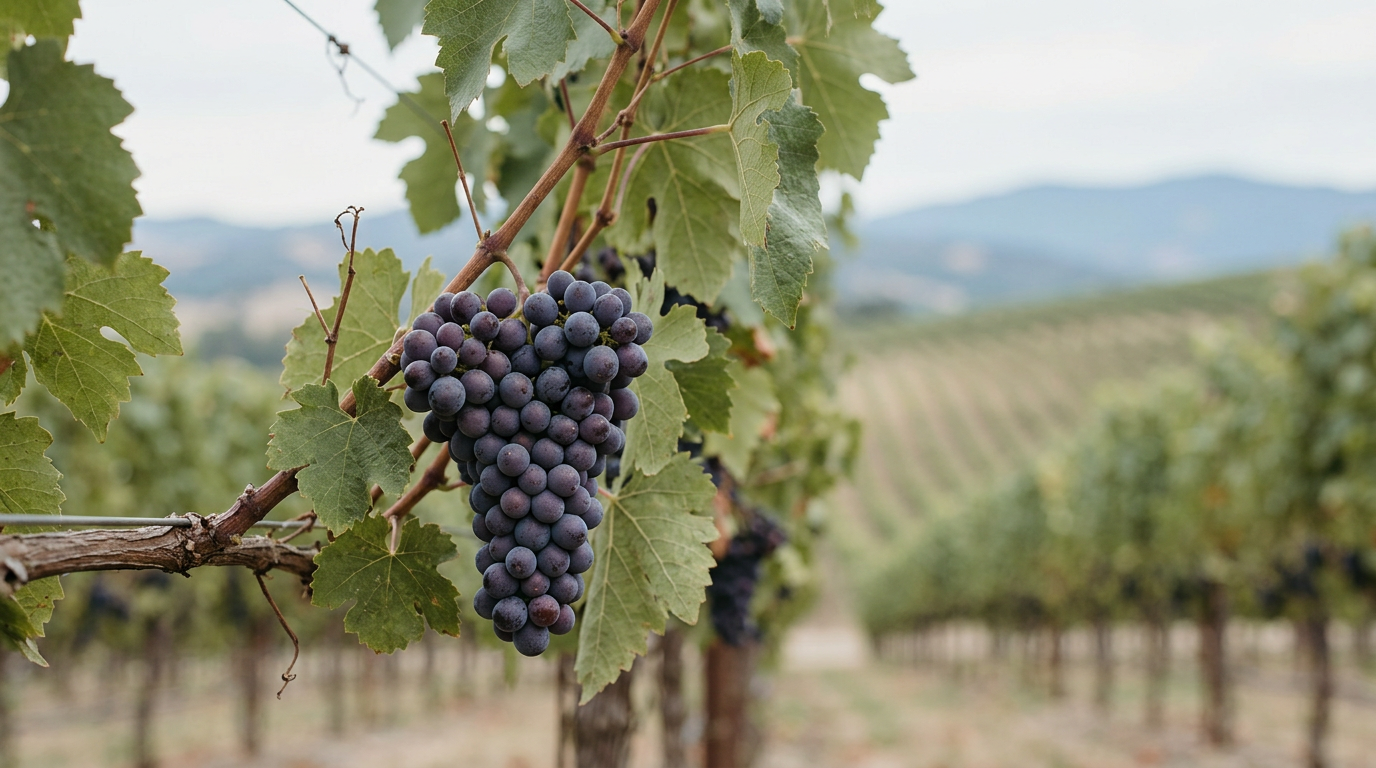
To call something varietal is to celebrate its distinct lineage. In the world of viticulture, a variety refers to the plant itself, such as a Chardonnay or Malbec vine. A varietal, however, is the liquid result. If a bottle of wine contains at least 75 percent of a single grape type in the United States, or 85 percent in the European Union, it earns the right to be called a varietal wine.
This term fills a necessary gap in language by providing a bridge between the biological and the commercial. Unlike a blend, which seeks harmony through diversity, a varietal seeks to express the pure, unadulterated characteristics of its source. It is about the singular expression of terroir, where the soil, climate, and grape variety converge into one identifiable profile.
Beyond the vineyard, the word is increasingly used in botany and agriculture to describe specific strains of produce, such as heirloom tomatoes or specialty coffee beans. According to researchers at the University of California, Davis, the precision of varietal identification is critical for maintaining genetic diversity in global food systems, ensuring that specific traits—like drought resistance or unique flavour profiles—are preserved.
Putting Varietal to Work
- The sommelier recommended a crisp varietal from the Loire Valley to pair with the oysters.
- Gardeners often prefer varietal seeds to ensure their crops maintain the specific characteristics of the parent plant.
- I noticed a key varietal in his poker game: he leaned forward only when he held a winning hand.
- The cafe specializes in single-origin varietals, highlighting the unique acidity of Ethiopian beans.
Synonyms and Antonyms
- Synonyms: Specific, characteristic, distinct, individual, taxonomic.
- Antonyms: Generic, blended, universal, mixed, non-specific.
Practical Usage Tips
Use varietal as an adjective when you are describing a characteristic of a variety. Use it as a noun only when referring to a specific product, usually wine or coffee. If you are talking about the plant in the ground, stick to variety. If you are talking about the fermented juice in the glass, varietal is your best bet.
What is the difference between variety and varietal?
Variety is a noun referring to the type of grape or plant (the Chardonnay grape). Varietal is typically an adjective describing the wine made from that grape (a varietal Chardonnay).
Can coffee be varietal?
Yes. While less common than in wine, coffee experts use the term to describe beans that come from a single botanical variety, such as Arabica Typica or Bourbon, rather than a blend of different strains.
Does a varietal wine have to be 100 percent one grape?
Not usually. Regulations vary by country, but most regions allow a small percentage of other grapes to be blended in while still retaining the varietal name on the label.
Key Takeaways
- Varietal identifies a product based on its primary component or variety.
- The term acts as both a botanical adjective and a commercial noun.
- In contrast to blends, varietals focus on the purity of a single source.
- Accurate usage distinguishes the source plant from the finished product.
Example Sentences
"The new Chardonnay is an excellent varietal, showcasing the classic characteristics of the grape."
"The wine shop stocked a wide range of varietal wines from different regions."
"As an adjective, 'varietal' describes the distinct flavour profile inherent to a specific type of coffee bean."
"Understanding the difference between a grape variety and a varietal wine is key for an aspiring sommelier."
"They decided to plant a new varietal of olive tree known for its robust oil production."
Frequently Asked Questions
Sources & References
 Merriam-WebsterThis source provides the definition, pronunciation, part of speech, and usage examples of 'varietal' as both an adjective and a noun.merriam-webster.com
- 2Collins DictionaryThis source offers definitions of 'varietal' as an adjective and a noun, particularly in the context of wine, and includes example sentences.collinsdictionary.com
- 3WiktionaryThis source details the etymology of 'varietal', tracing its roots to Latin 'varietas' and explaining its development into English as an adjective and noun.en.wiktionary.org