
Quick Answer
Senescent means growing old or entering a state of decline. It's fascinating because it captures the process of aging, not just the state of being old. Scientists are particularly interested in these "zombie cells" as a potential target for treating age-related diseases.
In a hurry? TL;DR
- 1Senescent means growing old or nearing the end of a functional life cycle, implying a transition rather than a static state.
- 2In biology, senescent cells stop dividing but remain active, sometimes harming surrounding cells, and are called 'zombie cells'.
- 3Clearing senescent cells in mice has shown potential to delay age-related diseases, suggesting a way to manage aging.
- 4Literarily, 'senescent' describes a gradual decline or late-stage maturity in systems, not just living organisms.
- 5The word implies a process of becoming old, originating from the Latin for 'to grow old' and the suffix '-escent' (beginning of a state).
- 6Senescence is a biological brake to prevent damaged cells from becoming cancerous, though it contributes to overall aging.
Why It Matters
This word is fascinating because it describes the specific, observable transition of aging, not just the passage of time, and even offers a new way to think about combating age-related decline.
Senescent describes the biological process of growing old or the state of being aged. While often used in medicine to describe cells that have stopped dividing, it functions elegantly in prose to describe anything in a state of gradual decline or late-stage maturity.
- Word: Senescent
- Part of Speech: Adjective
- Pronunciation: si-NES-uhnt (/sɪˈnɛsənt/)
- Definition: Growing old; aging; or nearing the end of a functional life cycle.
Why It Matters: Understanding senescence shifts our view of aging from a vague passage of time to a specific, observable transition of state.
The Science of the Zombie Cell
To be senescent is not merely to be old; it is to be in the process of becoming so. In modern biology, the term has taken on a gritty, almost cinematic quality through the study of cellular senescence. When a cell reaches the end of its replicative lifespan, it does not always die. Instead, it enters a twilight state, often dubbed a zombie cell. These cells stop dividing but remain metabolically active, sometimes secreting inflammatory signals that affect their neighbours.
Unlike the word aged, which feels static, or elderly, which is strictly human, senescent implies a trajectory. It captures the exact moment when the peak of vitality begins to tilt toward decay. According to researchers at the Mayo Clinic, clearing these senescent cells in mice has been shown to delay age-related diseases, suggesting that if we can manage the state of senescence, we might alter the pace of aging itself.
In a literary sense, the word provides a sophisticated alternative to decaying or worn-out. You might describe a senescent empire, where the infrastructure still stands but the internal mechanisms of growth have seized. It is a word of transitions, marking the space between the height of power and the inevitability of the end.
Examples of Senescent in Context
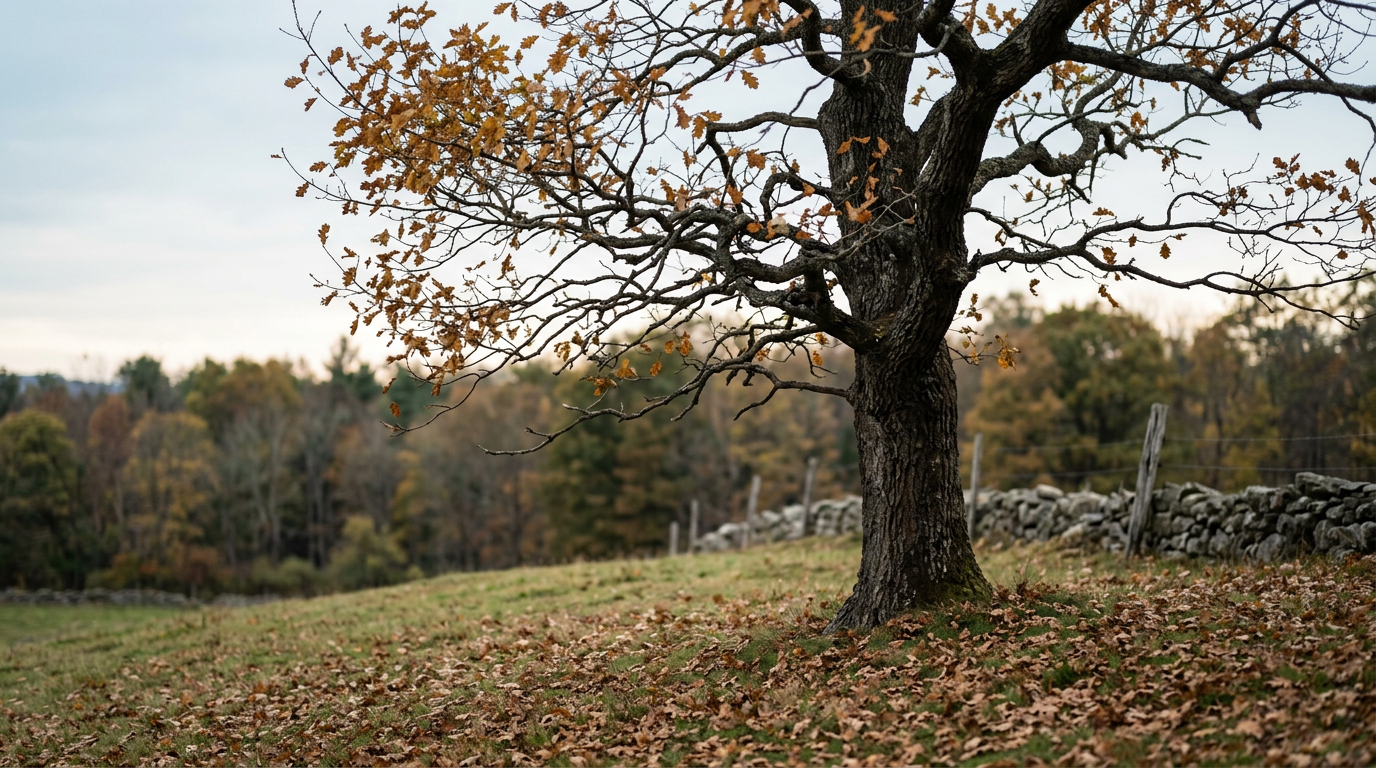
- The forest was filled with senescent oaks, their gnarled branches reaching out like frozen lightning against the grey sky.
- Economists warned that the nation’s senescent industrial sector was no longer capable of competing with high-tech global markets.
- Even the most brilliant stars eventually become senescent, exhausting their nuclear fuel before collapsing into white dwarfs.
- There is a quiet dignity in a senescent garden, where the wild overgrowth signals a return to nature’s original intent.
Synonyms and Antonyms
- Synonyms: Aging, declining, maturing, doting, waning.
- Antonyms: Youthful, nascent, flourishing, burgeoning, juvenile.
Usage Tips
Use senescent when you want to sound precise rather than judgmental. Calling an idea old suggests it is useless; calling it senescent suggests it has naturally run its course. It is particularly effective when describing systems, technologies, or biological entities that are reaching a natural stopping point.
Is senescent the same as senile?
No. While they share the same Latin root, senile refers specifically to a decline in mental faculties, whereas senescent refers to the general biological process of aging or cellular decline.
Can an object be senescent?
Yes, metaphorically. You can describe a senescent technology, like a flip phone or a steam engine, to imply that while it still exists, its period of growth and relevance has ended.
Why is it used in botany?
In plants, senescence is the process by which leaves turn yellow and die off in the autumn. It is a programmed stage of the life cycle, not a random failure.
Key Takeaways
- Senescent describes the process of aging or the state of being old.
- In biology, it refers to cells that stop dividing but do not die.
- The word implies a transition or a process of becoming, rather than just a final state.
- It shares a root with Senate and senior, linking age to authority and experience.
Example Sentences
"The doctor explained that her immune system was becoming senescent, making her more susceptible to infections."
"Researchers are studying ways to remove senescent cells from the body to combat age-related diseases."
"The once vibrant garden was now filled with senescent plants, their leaves turning yellow and falling."
"A senescent population often places increased demands on healthcare and social services."
"The old dog, with his grey muzzle and slow gait, was clearly senescent but still full of love."
Frequently Asked Questions
Sources & References
 Merriam-WebsterThis source provides the definition, pronunciation, and part of speech for 'senescent'.merriam-webster.com
- 2Online Etymology DictionaryThis source details the etymology of 'senescent', tracing it back to Latin 'senescere' and 'senex'.etymonline.com
- 3Collins DictionaryThis source offers a definition and example sentences illustrating the usage of 'senescent'.collinsdictionary.com