
Quick Answer
Vernacular is the everyday language people use in a specific place or group, distinct from formal speech. It matters because understanding vernacular gives us insight into genuine human connection and the cultural nuances embedded in how people actually talk and express themselves, going beyond just knowing the words to truly grasping a community's voice.
In a hurry? TL;DR
- 1Vernacular is the everyday language of a region or group, distinct from formal speech.
- 2It emphasizes connection and cultural authenticity over strict grammatical correctness.
- 3Unlike slang, vernacular is tied to geography, history, and community identity.
- 4Internet platforms have developed their own 'internet vernacular' creating subcultures.
- 5Using vernacular in literature was historically a democratic act, validating common speech.
- 6Recognizing vernacular helps differentiate locals from outsiders and understand cultural nuances.
Why It Matters
Understanding vernacular is surprisingly useful because it reveals the authentic, community-defining language we actually use beyond formal settings.
Vernacular refers to the everyday language used by people in a specific region or professional circle, as opposed to formal, literary, or official speech. It is the mother tongue of a place, captured in the way people actually talk when they aren't trying to impress a textbook.
The Quick Reference
Part of Speech: Noun / Adjective Phonetic Spelling: ver-NAK-yuh-lur (/vəˈnækjʊlə/) Definition: The native language or dialect of a specific population or specialized group.
Why It Matters
Understanding the vernacular allows you to distinguish between what is technically correct and what is culturally authentic, marking the difference between a tourist and a local.
The Language of the Street
While formal language is designed for precision and records, vernacular is designed for connection. It is the linguistic equivalent of comfortable clothing. You might use formal English in a legal brief, but you switch to the vernacular the moment you hit the pub or the family dinner table.
Unlike slang, which is often fleeting and generational, vernacular is rooted in geography and history. It encompasses the specific syntax, rhythm, and vocabulary that define a community. It is the difference between asking for a carbonated beverage and asking for a pop, a soda, or a coke depending on which part of the world you occupy.
In the digital age, we are seeing the rise of internet vernacular. Platforms like TikTok and X have developed their own grammar and shorthand that operate exactly like regional dialects. If you don't speak the vernacular of a specific online subculture, you are effectively an outsider, regardless of how well you speak the base language.
Historical Shift
For centuries, Latin was the high language of Europe, used for science, religion, and law. Anything written in Italian, French, or English was considered the lowly vernacular. The shift toward using common tongues in literature, famously championed by authors like Dante, was a radical democratic act. It suggested that the speech of the ordinary person was worthy of art.
Vernacular in Practice
- The architect moved away from glass skyscrapers to embrace the local brick vernacular of the surrounding neighborhood.
- While the medical journal was written in clinical terms, the doctor spoke to his patients in the plain vernacular of the town.
- New York hip-hop developed a distinct vernacular that eventually influenced global pop culture.
- The software developers retreated into a technical vernacular of sprint cycles and stack traces that left the marketing team baffled.
Related Concepts
- Dialect: A specific variety of a language unique to a group.
- Patois: A regional dialect, usually considered non-standard.
- Jargon: Specialized terminology used by a particular profession.
Is vernacular the same as slang?
Not quite. Slang consists of informal, trendy words that often go out of style quickly. Vernacular is more stable and includes the entire structure and sound of a regional or social dialect.
Can vernacular refer to buildings?
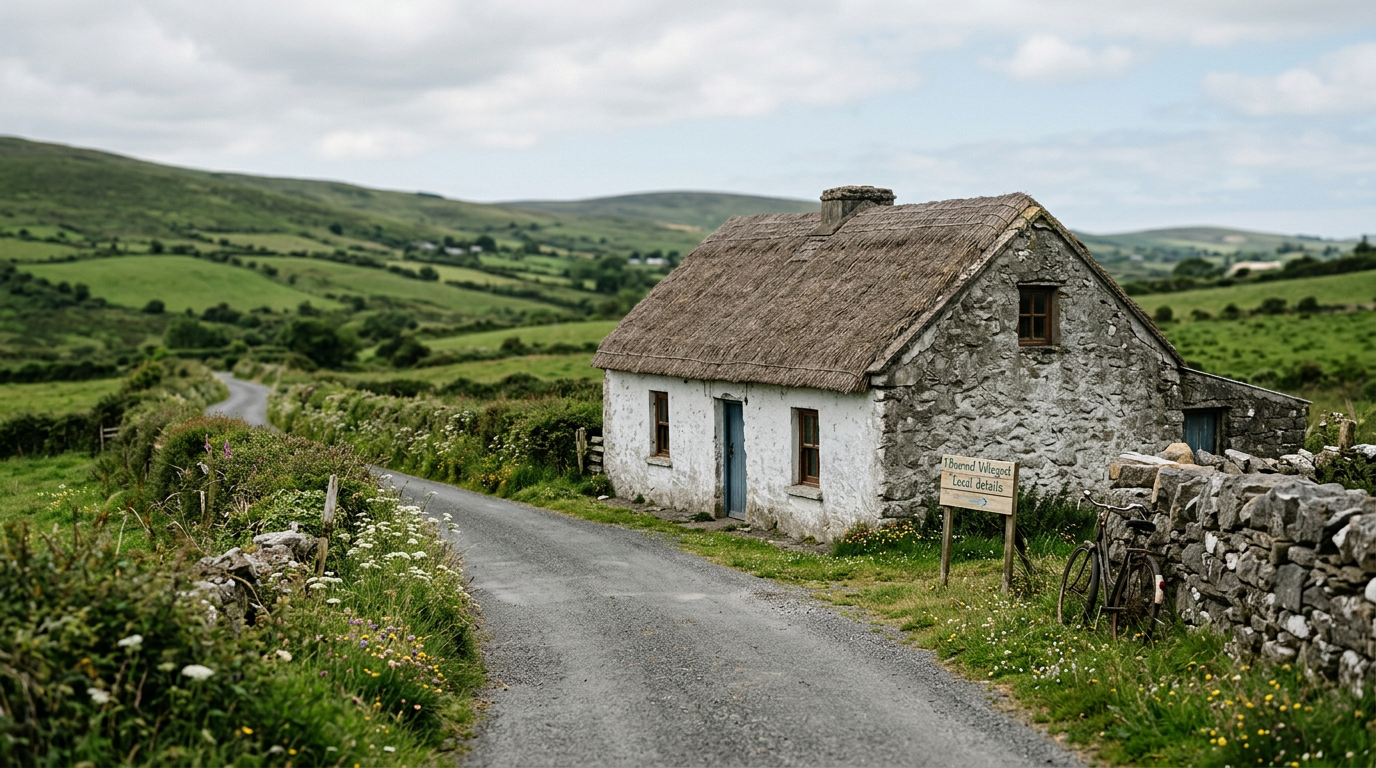
Yes. In architecture, vernacular refers to structures built using local materials and traditional methods without the intervention of professional architects, such as an English thatched cottage or a Mediterranean villa.
Why do we use it in business?
In a professional context, vernacular refers to the specific industry speak that helps experts communicate faster, though it can alienate those outside the circle.
Key Takeaways
- Vernacular is the natural, everyday speech of a specific group or place.
- It stands in contrast to formal, standardized, or liturgical languages.
- It applies to both linguistics and architecture to describe native styles.
- Mastering a local vernacular is the fastest way to build rapport in a new environment.
Example Sentences
"The local dialect, the vernacular of the valleys, is quite difficult for outsiders to understand."
"Shakespeare often incorporated the vernacular speech of his time into his plays to make them more accessible to the common audience."
"As an architect, she had to learn the vernacular building techniques of the region to ensure her designs blended in."
"His poetry is celebrated for capturing the authentic vernacular of rural Ireland, making it resonate with local readers."
"The translation aimed to use a more formal register, rather than the everyday vernacular, to convey the solemnity of the ancient text."
