
Quick Answer
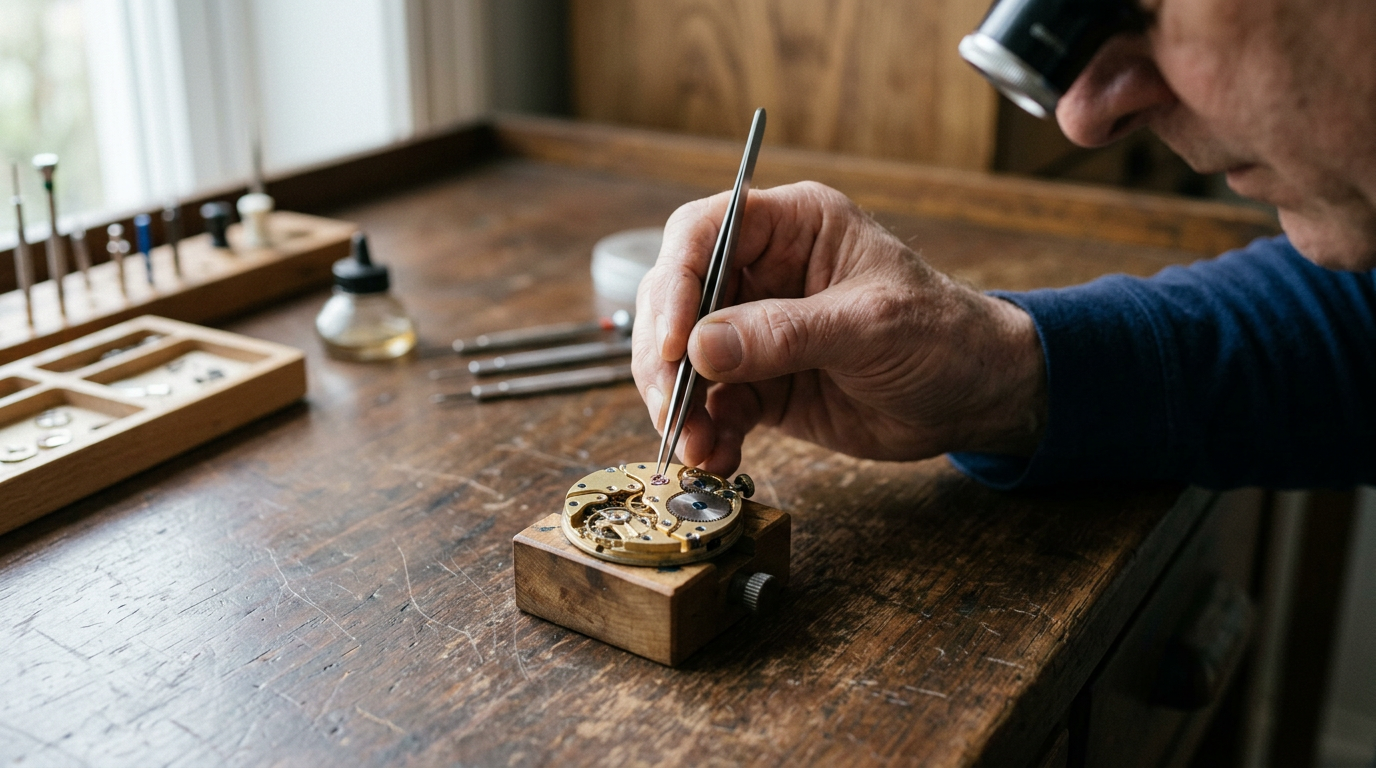
Finesse means dealing with tricky situations or tasks with impressive skill and grace. It's more than just being good; it's about performing with such polish that the effort seems invisible, much like a surgeon's precise touch versus a brute force approach. This ability to navigate complexity with ease is truly captivating.
In a hurry? TL;DR
- 1Finesse means handling difficult situations with delicate skill and deceptive ease, achieving goals without obvious effort.
- 2It's the invisible touch, relying on timing, precision, and leverage, not brute force.
- 3Unlike raw talent, finesse is quiet, sophisticated, and implies subtlety over overt action.
- 4Use finesse for diplomacy, strategy, or any task requiring tact and refinement, avoiding aggression.
- 5It's the difference between competence and mastery, allowing smooth navigation of complex challenges.
- 6Practice finesse by focusing on subtle execution and understanding the nuances of a situation.
Why It Matters
Finesse is interesting because it reveals how true mastery isn't about brute force but a subtle, almost invisible, skill.
Finesse is the art of handling a difficult situation or performing a complex task with extreme delicacy and deceptive ease. It represents the thin line between mere competence and high-level mastery.
The Quick Reference
Part of Speech: Noun and Verb Phonetic Spelling: fi-NESS (/fɪˈnɛs/) Definition: Intricate and refined delicacy; the ability to handle a situation with skill and diplomacy.
Why It Matters
Finesse is the difference between a hammer and a scalpel; it allows you to achieve your goals without leaving a trail of wreckage or obvious effort.
The Art of the Invisible Touch
Finesse is not just about being good at something. It is about being so good that the effort disappears. While power relies on brute force, finesse relies on timing, precision, and an intuitive understanding of leverage.
In the 16th century, the word entered English via the French term fin, meaning fine or slender. Originally, it referred to the purity of precious metals. Today, we apply it to everything from a midfielder’s soft touch on a football to a CEO negotiating a hostile takeover without losing their temper.
Unlike raw talent, which is often loud, finesse is quiet. It implies a certain level of sophistication. You do not finesse a door open with a crowbar; you finesse a conversation to get someone to open the door for you.
The French Connection
Examples in Context
- Diplomacy: The ambassador handled the border dispute with immense finesse, ensuring both nations felt they had won.
- Athletics: While the young boxer had power, the veteran won the match through sheer technical finesse and footwork.
- Culinary Arts: The pastry chef decorated the cake with such finesse that it looked like a museum installation.
- Strategy: She managed to finesse the budget through the committee by highlighting the benefits to each department head individually.
Synonyms and Antonyms
- Synonyms: Adroitness, sophistication, subtlety, discernment, polish.
- Antonyms: Clumsiness, ineptitude, coarseness, guilelessness.
Practical Usage Tips
Use finesse when you want to describe how something was done, rather than just what was done. If a task was completed with a heavy hand, finesse is the wrong word. If the solution was elegant and minimized conflict, it fits perfectly.
Compared to words like skill or ability, finesse specifically highlights the aesthetic and diplomatic quality of the action. According to linguists, the word often carries a connotation of cleverness that borders on cunning, though it usually remains a compliment.
Related Concepts
- The concept of Sprezzatura: The art of making the difficult look easy.
- The philosophy of Occam's Razor: Why the most elegant solution is often the right one.
- The history of The Great Game: How 19th-century geopolitics relied on diplomatic maneuvering.
Is finesse a positive or negative trait?
It is almost always positive, implying high skill. However, in certain political contexts, it can suggest a level of manipulation or craftiness.
How does finesse differ from technique?
Technique is the mechanical method of doing something. Finesse is the stylish, nuanced application of that technique.
Can finesse be a verb?
Yes. To finesse something means to bring it about by skillful maneuvering or to improve it by making small, delicate adjustments.
Key Takeaways
- Finesse describes both a physical delicacy and a mental shrewdness.
- It originated from French roots meaning fineness or purity.
- It is the primary tool for navigating high-stakes social and professional environments.
- Using finesse implies that the person is achieving their goal with grace rather than force.
Example Sentences
"The surgeon displayed remarkable finesse in performing the intricate procedure, making it look effortless."
"He managed to finesse the complex negotiation, securing a favourable deal for the company without any public conflict."
"Her political finesse allowed her to navigate the treacherous waters of parliamentary debate with ease."
"The midfielder showed incredible finesse, controlling the ball with a delicate touch and threading a pass through a tight defence."
"It requires considerable finesse to apply such a delicate glaze without damaging the artwork beneath."
Frequently Asked Questions
Sources & References
 Merriam-WebsterThis source provides definitions for 'finesse' as both a noun and a verb, including its usage related to skill, delicacy, and the specific card game strategy, along with pronunciation.merriam-webster.com
- 2Online Etymology DictionaryThis source details the etymology of 'finesse,' tracing its origins from Old French and Latin, and noting its evolution to mean skillful management and its specific use in card games.etymonline.com
- 3Collins DictionaryThis source offers multiple definitions of 'finesse' as a noun and verb, including its nuanced meaning of handling situations with skill and delicacy, and provides example sentences for its usage.collinsdictionary.com