
Quick Answer
An ambuscade is a surprise attack from a hidden place. It’s like an ambush but sounds more dramatic and planned, hinting at cunning strategy or a thrilling adventure. This word evokes a sense of historical battles and carefully laid traps, adding a touch of theatricality to the act of surprise.
In a hurry? TL;DR
- 1Ambuscade means a surprise attack from a hidden spot, carrying formal and literary weight.
- 2It can be used as both a noun (the trap) and a verb (the action of lying in wait).
- 3The term implies sophistication and premeditation, unlike a simple, chaotic ambush.
- 4Historically, ambuscades were calculated military operations, common in the 18th/19th centuries.
- 5Using 'ambuscade' adds a dramatic or historical flair to descriptions of surprise attacks.
- 6The word's roots are in French and Italian, relating to hiding in woods or forests.
Why It Matters
The word "ambuscade" is interesting because it sounds more sophisticated and dramatic than "ambush," hinting at a carefully planned trap rather than a spontaneous attack.
An ambuscade is a sudden, surprise attack launched from a hidden position. While often used interchangeably with ambush, it carries a more formal, tactical, and literary weight.
TL;DR
- It functions as both a noun (the trap itself) and a verb (the act of lying in wait).
- It originates from the French embuscade, rooted in the idea of hiding in the woods.
- It suggests a level of sophistication or premeditation beyond a simple jump-scare.
- The word is frequently found in 18th and 19th-century military history and classic adventure fiction.
Why It Matters
Ambuscade offers a sharper, more rhythmic alternative to ambush, providing a sense of historical gravitas or theatrical flair to a description of surprise.
Quick Reference
- Part of Speech: Noun and Verb
- Pronunciation: AM-byoo-skayd (/ˌæmbəˈskeɪd/)
- Definition: A surprise attack by people lying in wait in a concealed position.
The Art of the Hidden Strike
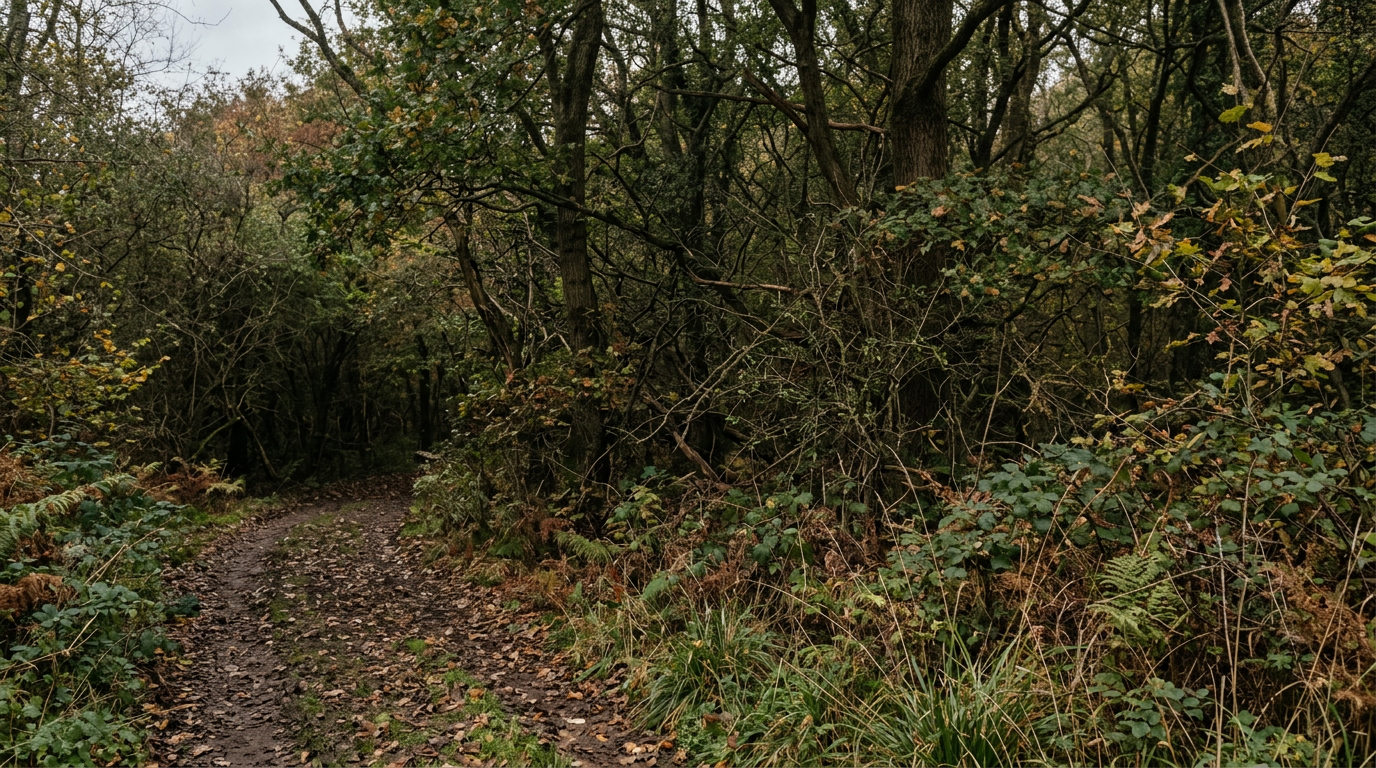
Ambuscade is not merely about being caught off guard; it is about the architecture of the trap. Unlike a chance encounter that turns violent, an ambuscade requires a specific geography. Historically, this meant using the treeline, a narrow mountain pass, or a dip in the road to vanish from the enemy's sight.
While ambush feels immediate and guttural, ambuscade feels calculated. It is the word a general uses in a dispatch or a novelist employs to heighten the tension of a forest crossing. It implies a period of silence and stillness that precedes the chaos.
According to linguistic records, the term saw its peak usage during the Napoleonic Wars and the American Civil War. In these contexts, an ambuscade was a defined military operation. Today, using the word adds a layer of sophistication to your vocabulary, evoking the atmosphere of a Sherlock Holmes mystery or a high-stakes political manoeuvre.
Examples in Context
- The partisan fighters prepared a deadly ambuscade in the narrow ravine, waiting for the supply trucks to round the bend.
- She didn't expect the flurry of questions from the press, feeling as though she had walked straight into a verbal ambuscade.
- After hours of silent tracking, the leopard launched an ambuscade from the low-hanging branches of the acacia tree.
- The sudden downpour felt like a meteorological ambuscade, soaking the wedding guests before they could reach the tent.
Synonyms and Antonyms
- Synonyms: Trap, waylay, ensnare, lurking-place.
- Antonyms: Defence, retreat, warning, frankness.
Practical Usage Tips
Use ambuscade when you want to describe a surprise that feels intentional and structured. It works particularly well in writing when describing psychological traps or social setups. If a colleague corners you with a difficult task the moment you walk into the office, they haven't just surprised you; they have successfully executed an office ambuscade.
Is ambuscade just a fancy word for ambush?
Essentially, yes. However, in military history, an ambuscade often refers specifically to the place where the troops are hidden, whereas ambush refers more broadly to the act itself.
Can I use it as a verb?
Yes. You can ambuscade an opponent just as easily as you can lay an ambuscade for them.
Is the word still in common use?
It is rare in casual speech but remains a staple in historical fiction, military analysis, and high-level journalism to avoid the repetition of simpler terms.
Key Takeaways
- Ambuscade is the thinking person's ambush, offering more syllables and more style.
- It identifies both the act of attacking and the physical spot where the attackers hide.
- It carries a heavy French and Italian heritage rooted in the concealment of the forest.
- Using it shifts the tone from a simple surprise to a planned tactical event.
Example Sentences
"The patrol fell victim to a carefully planned ambuscade as they entered the narrow pass."
"Their strategy was to ambuscade the enemy convoy at dawn, before reinforcements could arrive."
"He read a thrilling account of a highwayman who would ambuscade coaches on the lonely moor."
"The villagers feared an ambuscade by bandits hiding in the dense foliage along the riverbank."
"Despite the clear warning, the scouts were ordered to proceed, risking an ambuscade around the bend."
Frequently Asked Questions
Sources & References
- 1Collins DictionaryThis source provides the definition, part of speech, and pronunciation for 'ambuscade'.collinsdictionary.com
 Merriam-WebsterThis source offers the definition, historical usage, and etymology of 'ambuscade'.merriam-webster.com
- 3Online Etymology DictionaryThis source details the etymological origin and historical development of the word 'ambuscade'.etymonline.com