
Quick Answer
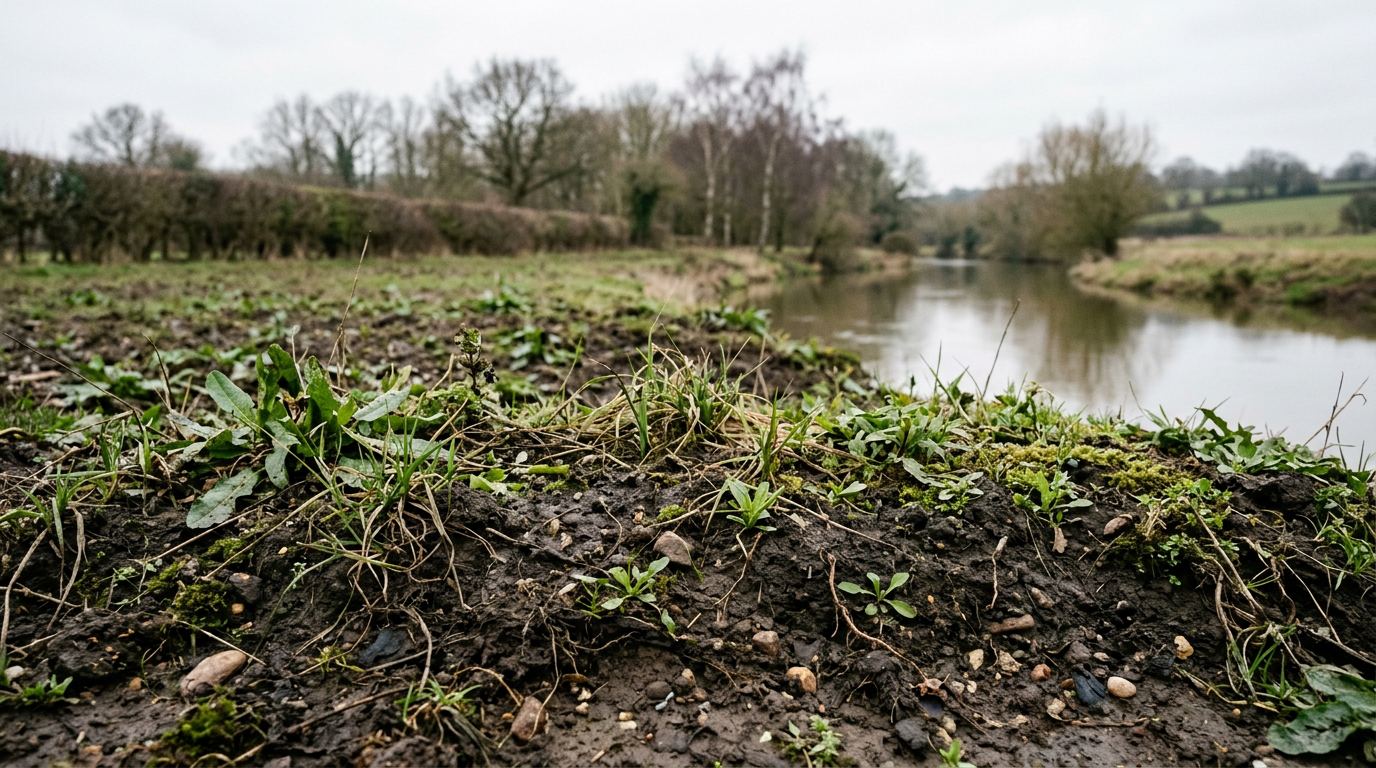
A substrate is the base layer that supports something, like soil for a plant or the hardware for software. This matters because the hidden foundation is just as vital as what's on top for how things work. Imagine a plant in sand versus rich soil – the substrate makes all the difference.
In a hurry? TL;DR
- 1Identify the 'substrate' as the foundational layer crucial for the function of what's built upon it, not just a passive base.
- 2Recognize that changing the substrate fundamentally alters the outcome, whether in biology, technology, or society.
- 3Prioritize understanding the substrate's properties (e.g., roughness, thermal expansion) as they often dictate project success over surface coatings.
- 4Apply the concept of substrate to problem-solving by looking beneath the visible issues to the underlying causes.
- 5Use 'substrate' to describe hidden economic, emotional, or linguistic foundations that shape observable systems.
- 6Remember that the substrate is often consumed or transformed by the process it supports, unlike a simple floor.
Why It Matters
It's surprising how often the invisible foundation, the substrate, is the real key to understanding why things above it succeed or fail.
Substrate refers to the foundational layer or underlying substance upon which something else is built, grows, or exists. It is the literal or metaphorical ground that supports everything above it.
- Part of Speech: Noun
- Pronunciation: SUHB-strayt (/ˈsʌb.streɪt/)
- Meaning: An underlying substance or layer; the base on which an organism lives or a process occurs.
Why It Matters
Understanding substrate allows you to identify the hidden foundations that dictate how visible systems behave, from the soil in a garden to the hardware running your software.
The Foundation of Everything
Substrate is a word that works harder than base or layer because it implies a functional relationship. It is not just the bottom of a pile; it is the surface that provides the necessary conditions for whatever sits on top of it to function. In biology, the substrate is the surface where an enzyme acts or where a mushroom chooses to grow. In technology, we speak of the silicon substrate of a microchip.
The interesting angle here is the shift from the physical to the philosophical. While a chemist uses the word to describe a reacting chemical, a sociologist might use it to describe the economic substrate of a city. It suggests that if you change the foundation, you inevitably change the outcome. Unlike a simple floor, a substrate is often consumed or transformed by what it supports.
According to materials scientists at MIT, the properties of a substrate—such as its thermal expansion or surface roughness—are often more critical to a project's success than the visible coating applied to it. This distinction matters because it forces us to look beneath the surface to solve problems. If a painting is cracking, the issue is rarely the paint; it is usually the substrate.
Practical Applications
- Gardening: Choosing a nutrient-rich substrate like peat moss ensures your orchids have the grip and moisture they need to thrive.
- Computing: You might say that the cloud is just a metaphor, whereas the physical server rack is the actual substrate of the modern internet.
- Linguistics: A substrate language is one that was originally spoken in a region but was replaced by a dominant one, leaving behind traces in the new vocabulary.
- Psychology: You could argue that childhood experiences form the emotional substrate upon which adult personalities are constructed.
Synonyms and Related Concepts
- Foundation: The solid base of a structure.
- Bedrock: The fundamental principles or physical rock layer.
- Medium: The intervening substance through which something else acts.
- Antonym: Superstructure (the portion of a structure built above the foundation).
What is the difference between a substrate and a surface?
A surface is merely the outermost boundary of an object. A substrate implies a layer that provides support, nutrients, or a platform for a specific reaction or growth process to occur.
How is the word used in art?
In art, the substrate is the physical material the artist works on, such as canvas, wood panel, or paper. The choice of substrate dictates how the medium, like oil paint or charcoal, will behave and age over time.
Is substrate the same as a catalyst?
No. In chemistry, a substrate is the substance that is acted upon by an enzyme to create a product. A catalyst speeds up the reaction but is not consumed, whereas the substrate is the raw material being changed.
Key Takeaways
- Substrate is the functional foundation of a system.
- It is used across diverse fields including biology, electronics, and linguistics.
- It implies that the base layer is active and essential, not just a passive floor.
- Identifying the substrate is the first step in troubleshooting any structural or systemic failure.
Example Sentences
"The silicon wafer serves as the substrate for the intricate microelectronic circuits."
"Different plants thrive in varying soil substrates, adapting to specific nutrient compositions."
"For the enzyme to catalyse the reaction, it must first bind to its specific substrate."
"The graffiti artist chose the brick wall as the perfect substrate for his vibrant mural."
"Many fungi rely on decaying wood as a rich organic substrate for their growth and development."
Frequently Asked Questions
Sources & References
 Merriam-WebsterThis source provides the definition, pronunciation, and various usages of 'substrate', including its scientific and general senses.merriam-webster.com
- 2Online Etymology DictionaryThis source details the etymology of 'substrate', tracing its origins from Latin 'substratum' and its historical usage in English.etymonline.com