
Quick Answer
Depredation is basically about attacking, plundering, and destroying something, usually with more power over something weaker, leaving destruction in its wake. It matters because this word helps us describe and understand aggressive acts, from a fox raiding a hen house to armies devastating cities, highlighting loss and ruin.
In a hurry? TL;DR
- 1Depredation means attacking, plundering, or destroying, distinct from simple theft due to its aggressive nature and destructive impact.
- 2In ecology, depredation describes predators harming livestock or human resources, often exceeding natural hunting balance.
- 3Historically, depredation refers to systematic raids by armies or pirates, stripping locations of value and leaving destruction.
- 4The term emphasizes wreckage and a visceral, often animalistic, force, unlike subtle robbery.
- 5Distinguish depredation from predation: depredation often implies conflict with human interests or excessive loss.
- 6Modern insurance uses depredation to categorize specific types of losses, highlighting its legal and economic relevance.
Why It Matters
Depredation is an interesting word because it highlights the brutal and destructive nature of attacks, whether in the wild or in human conflicts.
Depredation refers to the act of attacking, plundering, or laying waste to a target. It describes a forceful type of theft or destruction, often committed by a predatory force against a vulnerable victim.
- Part of Speech: Noun
- Phonetic Spelling: dep-ruh-day-shun (/ˌdɛprɪˈdeɪʃən/)
- Definition: An act of plundering, pillaging, or forestalling through predatory attack.
Why It Matters
Understanding depredation allows you to distinguish between simple theft and a more systematic, aggressive form of exploitation often found in nature or warfare.
The Weight of the Raid
Depredation is not a quiet crime. While larceny suggests a sneaky disappearance of goods, depredation implies a certain level of wreckage left behind. It carries a visceral, animalistic weight, which is why the term is frequently used in two specific arenas: ecology and history.
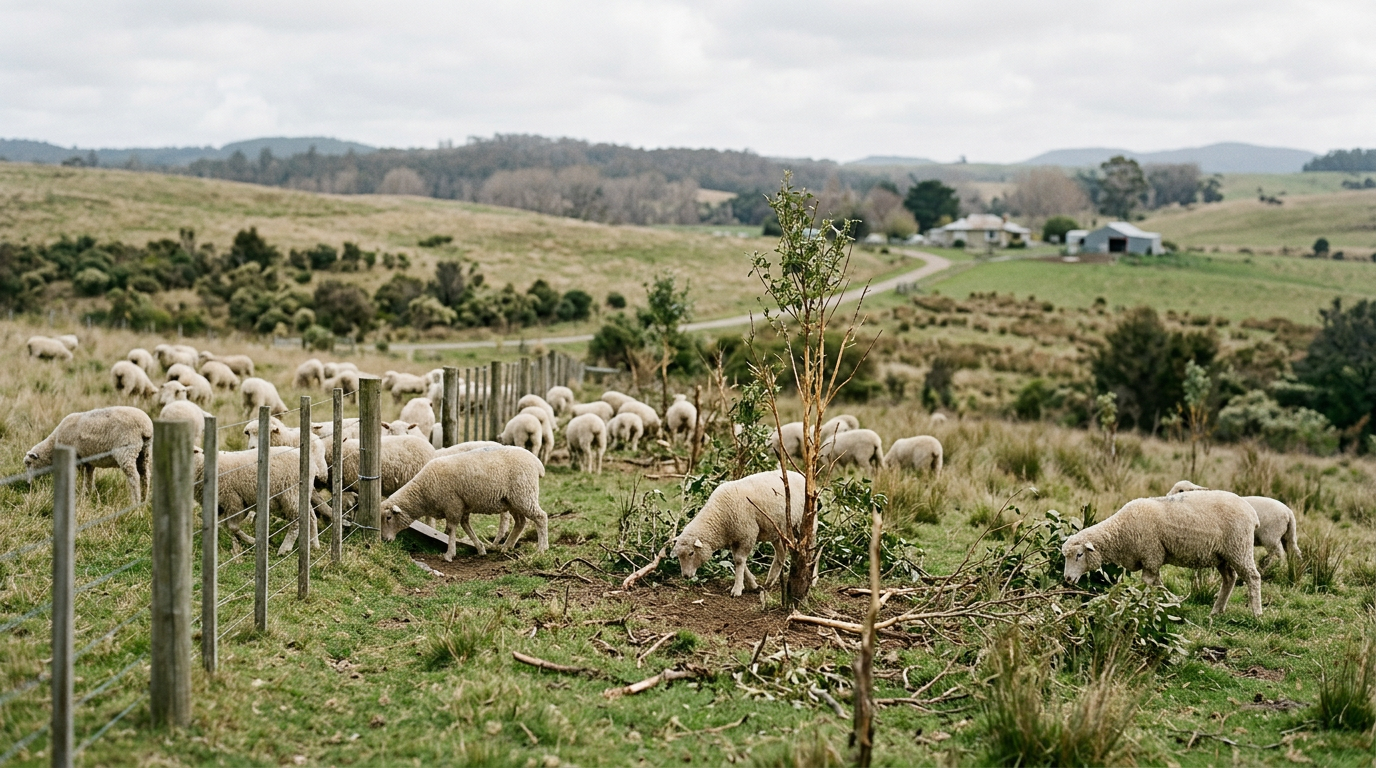
In the natural world, wildlife biologists use the term to describe when a predator kills livestock or interferes with human resources. If a wolf pack thins a farmer’s herd, it is not just hunting; it is an act of depredation. Unlike common predation, which is the balanced act of eating to survive, depredation often implies a conflict with human interests or an excessive level of loss.
Historically, the word evokes images of marauding armies or pirates. According to researchers at the University of Oxford, historical accounts of maritime law often distinguished between legitimate privateering and the lawless depredations of rogue sailors. The word implies that the attacker has stripped the location of its value, leaving it hollowed out.
Etymology
Examples in Context
- The coastal villages lived in constant fear of Viking depredation, watching the horizon for the glint of incoming shields.
- Conservationists are working on non-lethal methods to prevent coyote depredation on local sheep farms.
- The company’s assets were hollowed out by the systematic depredation of its board members before the bankruptcy filing.
- Years of environmental depredation by the mining firm left the once-lush valley looking like a lunar landscape.
Synonyms and Antonyms
- Synonyms: Pillage, spoliation, marauding, despoliation, rapine.
- Antonyms: Restoration, construction, protection, conservation, replenishment.
Practical Usage Tips
Use depredation when the loss is significant and the method is aggressive. If a friend steals a chip from your plate, it is not depredation. If a storm rips the roof off your house and ruins your belongings, or if a corporate raider strips a company of every asset it owns, the word fits perfectly. It suggests a lack of restraint and a predatory nature.
Key Takeaways
- Depredation describes systematic plundering rather than simple theft.
- It is a standard term in both historical warfare and modern wildlife biology.
- The word implies a predatory relationship between the attacker and the victim.
- Using it adds a layer of intensity and gravity to descriptions of loss.
Example Sentences
"The constant depredation by local raiders severely hampered the village's ability to recover."
"Farmers often face the depredation of their crops by wild animals, leading to significant financial losses."
"Historical accounts describe the widespread depredation suffered by coastal communities at the hands of Viking invaders."
"Environmentalists are concerned about the depredation of natural resources through illegal logging and mining."
"The financial crisis led to the depredation of many small businesses, forcing them into bankruptcy."
Frequently Asked Questions
Sources & References
 Merriam-WebsterThis source supports the definition, pronunciation, and usage of 'depredation'.merriam-webster.com
- 2Online Etymology DictionaryThis source provides the etymology of 'depredation', tracing its origins and historical development.etymonline.com
- 3Collins DictionaryThis source offers additional definitions, synonyms, and example sentences illustrating the usage of 'depredation'.collinsdictionary.com