
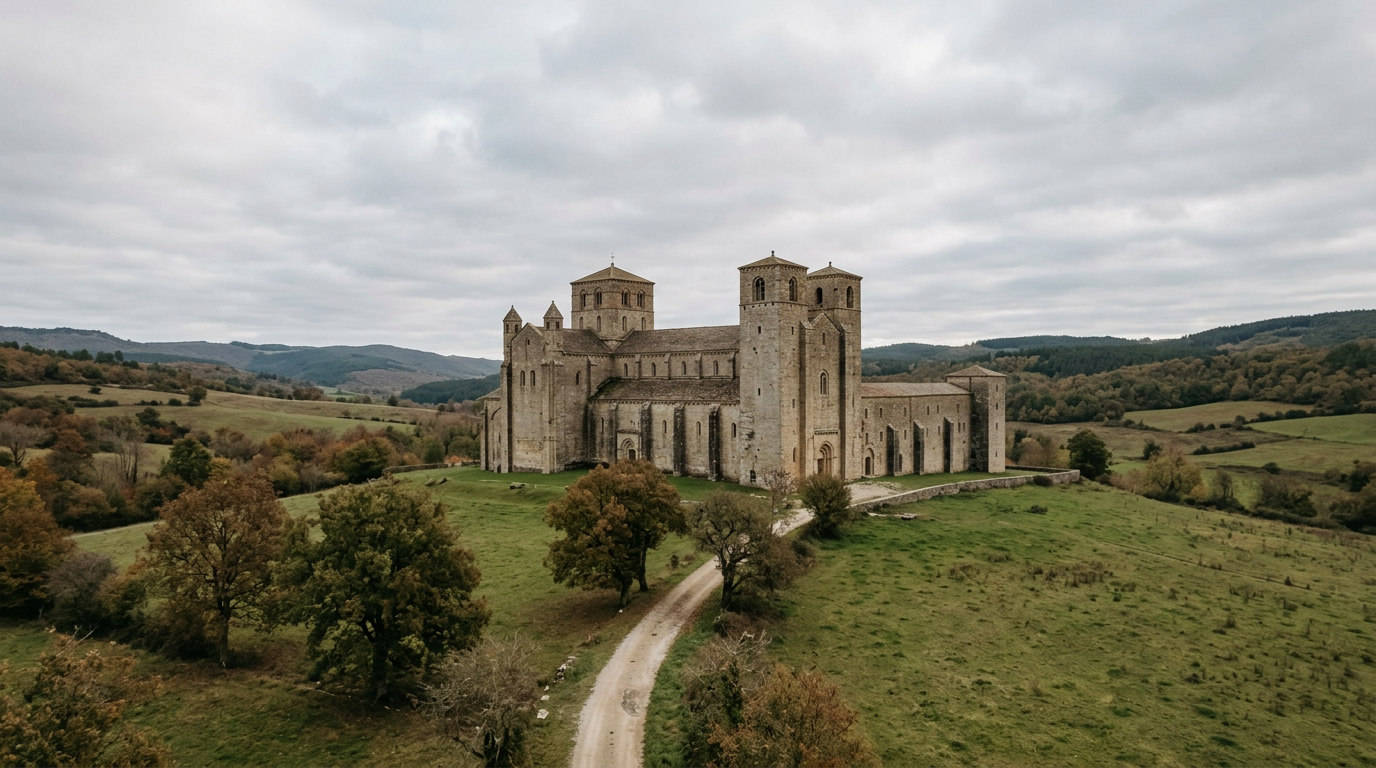
Quick Answer
An edifice is a large, impressive building. We also use it to describe complicated systems, like a structure of laws or beliefs. This is a fascinating comparison because it suggests that abstract ideas, just like physical buildings, can be built up over time to become grand, solid, and enduring.
In a hurry? TL;DR
- 1Use 'edifice' for large, imposing buildings or complex, enduring systems of ideas and institutions.
- 2The term implies significance, historical gravity, or intimidating complexity, unlike a simple 'building'.
- 3An edifice is built to last, suggesting mastery, permanence, and a monumentality that demands attention.
- 4Metaphorically, 'edifice' describes abstract structures like democracy or scientific theories that have evolved over time.
- 5Consider the word's impact: it can evoke awe, insignificance, or a sense of an unshakeable, established reality.
- 6Think of famous structures or vast conceptual frameworks as potential edifices, emphasizing their scale and importance.
Why It Matters
The word 'edifice' is fascinating because it allows us to describe both colossal physical structures and vast, enduring systems of thought with a single, potent term.
An edifice is a large, imposing building or a complex system of beliefs. It implies both physical scale and a sense of permanence or intellectual weight.
The Quick Answer
An edifice refers to a massive, impressive structure like a cathedral or skyscraper. Metaphorically, it describes an intricate system of ideas or institutions, such as the edifice of modern democracy.
At a Glance
Part of Speech: Noun Pronunciation: ED-uh-fis (/ˈɛdɪfɪs/) Core Meaning: A large building or a complex abstract structure Key Usage: Architecture, philosophy, and institutional critique
Why It Matters
Using edifice instead of building signals that the subject has profound significance, historical gravity, or an intimidating level of complexity.
The Weight of the Walls
An edifice is never just a house or an office. The word carries a specific architectural ego. It suggests a structure intended to outlast its creators, such as the Palace of Westminster or the Great Pyramid. Unlike a mere construction, an edifice demands to be noticed.
The brilliance of the word lies in its dual nature. While architects deal with stone edifices, historians and sociologists dismantle abstract ones. When we speak of the edifice of Western thought, we are describing a conceptual skyscraper built over centuries. According to researchers at the University of Oxford, these metaphors of stability help the human brain categorise fragile social systems as unshakeable realities.
In contrast to a shack or a bungalow, an edifice implies a mastery of craft. It is the difference between a functional space and a monument. When an author describes a character standing before a stone edifice, they are setting a tone of insignificance or awe. The structure is the protagonist of the scene.
Origin and Evolution
Historical and Modern Examples
- The Royal Mint stands as a grim edifice of granite and security, unyielding to the protestors at its gates.
- After the scandal, the entire legal edifice of the corporation began to crumble under public scrutiny.
- She gazed at the Gothic edifice, wondering how many centuries of secrets were trapped in its vaulted ceilings.
- Scientists spent decades constructing the theoretical edifice of quantum mechanics, only for new data to challenge its foundation.
Synonyms and Antonyms
Synonyms: Structure, monument, pile, construction, framework Antonyms: Ruin, hovel, shack, disintegration, simplicity
Practical Usage Tips
Architecture: Use it for buildings that feel permanent, official, or intimidating. Avoid using it for residential homes unless they are remarkably grand. Abstract Ideas: Use it when describing a long-standing tradition or a complicated theory. It suggests that the theory is made of many moving parts that support one another.
Related Concepts
- Megalith: A large stone that forms a prehistoric monument.
- Hegemony: The dominance of one group over another, often supported by a social edifice.
- Brutalism: An architectural style known for its massive, imposing concrete edifices.
Key Takeaways
- Use edifice for buildings that possess gravity, history, or massive scale.
- Apply the term to systems of thought to imply they are complex and deeply rooted.
- The word implies something that was built with great effort and intended to last.
- Remember the link to edify: both words are at their core about the act of building something significant.
Example Sentences
"The cathedral, a magnificent edifice of stone and glass, dominated the city's skyline."
"He sought to dismantle the entire edifice of corruption within the government department."
"From its imposing architecture, one could tell that the bank was a powerful financial edifice."
"The legal scholars painstakingly examined the edifice of international law, seeking weaknesses in its foundations."
"Despite years of effort, the old colonial edifice stood defiantly, a silent witness to history, refusing to crumble."
Frequently Asked Questions
Sources & References
 Merriam-WebsterMerriam-Webster defines 'edifice' as a large or impressive building, and also as a complex system of beliefs.merriam-webster.com
- 2Online Etymology DictionaryThe word 'edifice' comes from the Latin 'aedificium,' which itself is derived from 'aedis' (dwelling) and 'facere' (to make).etymonline.com