
Quick Answer
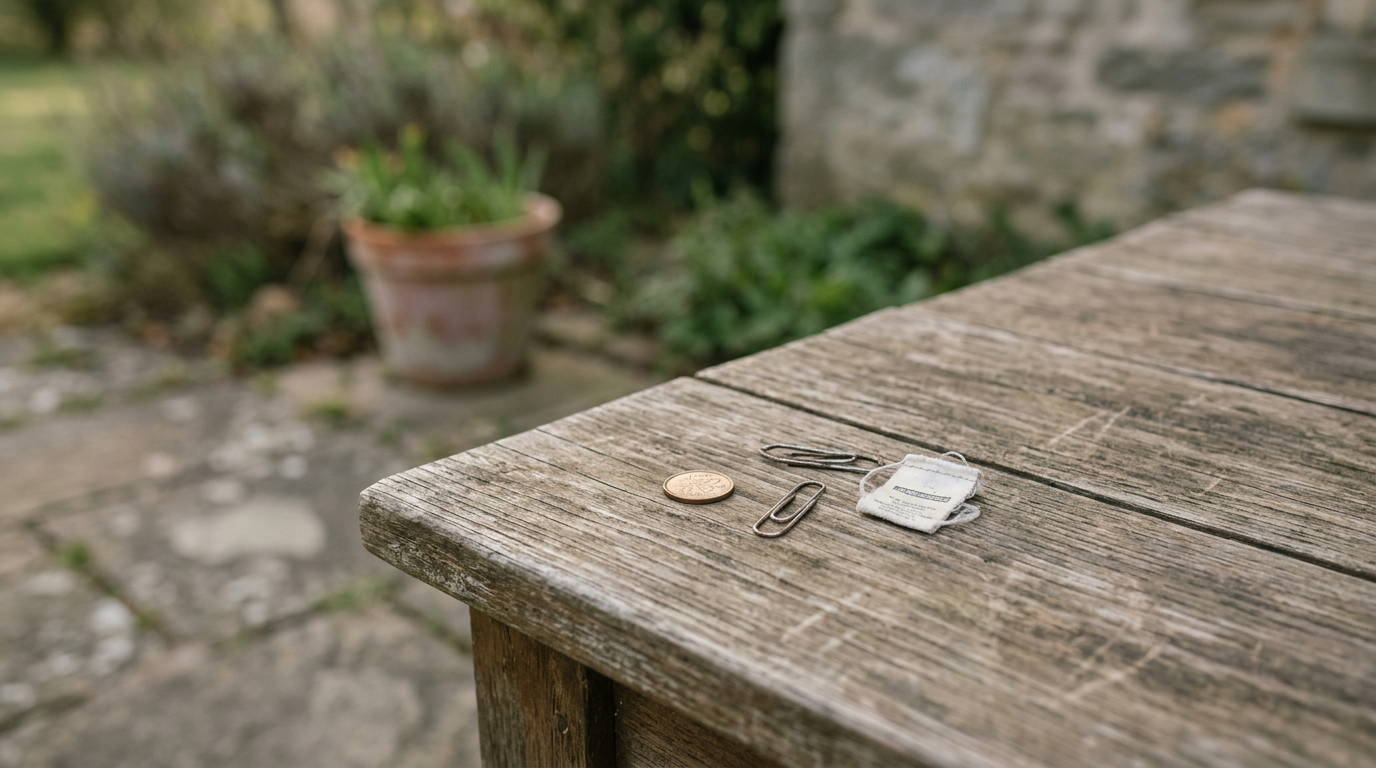
Picayune means something so tiny and unimportant it's not worth worrying about. It’s more than just small; it suggests a stinginess or fussiness over trifles. Think of tiny coins, once used in America, that became a slang term for something of little value – hence, the word's meaning of utterly insignificant.
In a hurry? TL;DR
- 1Picayune means trivial, petty, or of little value, often used to dismiss minor issues or complaints.
- 2It implies a detail is insignificant and beneath serious consideration, signaling dismissal rather than just annoyance.
- 3Unlike 'small', picayune suggests a lack of consequence, bordering on pathetic, and carries a dismissive tone.
- 4Historically, it referred to a small coin, now commonly describes trifling amounts of money or minor grievances.
- 5Use picayune to highlight excessive focus on insignificant matters, especially in arguments or criticisms.
- 6The word originated from a small French coin and has historical ties to New Orleans.
Why It Matters
Picayune is an interesting word because it precisely captures the dismissive disdain for something so trivial it's beneath notice.
Picayune describes something so small, trivial, or petty that it is hardly worth the breath required to mention it. It is the linguistic equivalent of a shrug.
The Quick Answer
Picayune refers to things of little value, mean-spiritedness, or insignificance. While it can describe a small physical object, it is most often used to dismiss petty arguments or trivial amounts of money.
Reference Table
Part of Speech: Adjective (occasionally used as a noun) Pronunciation: pik-ee-YOON (/ˌpɪkiˈjuːn/) Primary Meaning: Trivial, of little value, or small-minded.
Why It Matters
Using picayune signals that you aren't just annoyed by a detail; you find the detail beneath your dignity. It transforms a complaint into a sophisticated dismissal.
The Art of the Trivial
Picayune is not merely a synonym for small. If a diamond is small, it remains precious. If a detail is picayune, it is irrelevant. The word carries a certain sneer, often directed at people who obsess over negligible sums or minor infractions.
Unlike other synonyms such as minute or slight, picayune suggests a lack of consequence that borders on the pathetic. According to lexicographers at Merriam-Webster, the word eventually shifted from describing literal small coins to describing the small-minded people who counted them too closely.
The French-Spanish Hand-Off
The word has a distinctively Continental history that settled in the American South.
Examples in Context
- Budgetary concerns: The committee spent three hours arguing over a picayune increase in the stationery budget while ignoring a million-dollar deficit.
- Intellectual pettiness: He is the type of critic who ignores the brilliance of a symphony to focus on a picayune error by the third oboist.
- Daily life: Six miles per gallon feels picayune until you remember a semi-truck is basically dragging a building down the road.
Related Concepts
- Petifogging: Placing undue emphasis on petty details, specifically in a legal context.
- Trifling: Lacking in significance or solid worth.
- Frivolous: Not having any serious purpose or value.
Practical Usage Tips
Use picayune when you want to shut down a pedantic argument. It works best when contrasted with something of genuine scale. Instead of saying a complaint is tiny, call it a picayune grievance to highlight how much time is being wasted on it.
Is picayune a derogatory word?
Yes, generally. Calling a person picayune implies they have a small, mean-spirited outlook. Calling a thing picayune implies it is worthless.
How does it differ from "paltry"?
Paltry usually describes an insultingly small amount, like a paltry salary. Picayune is broader, often describing the triviality of an idea or a person's temperament.
Is it still used in New Orleans today?
While the literal coin is long gone, the word remains a fixture of Gulf Coast identity due to the enduring legacy of the local newspaper.
Key Takeaways
- Meaning: Trivial, petty, or of negligible value.
- Origin: A small French-Spanish coin worth about six cents.
- Best Use: Dismissing small-mindedness or irrelevant details.
- Connection: Linked to the history of New Orleans journalism.
Example Sentences
"I simply don't have time to worry about such picayune details; my focus is on the bigger picture."
"His constant complaining about picayune issues really grates on my nerves."
"The manager's criticism was so picayune that it failed to inspire any real improvement."
"They argued over such a picayune amount of money, it was almost embarrassing to witness."
"Don't let those picayune setbacks derail your progress towards the main goal."
Frequently Asked Questions
Sources & References
 Merriam-WebsterProvides the definition, etymology, and historical usage of the word 'picayune', noting its shift from describing small coins to small-minded people.merriam-webster.com
 BritannicaConfirms the historical significance of The Times-Picayune newspaper, including its founding and name origin related to the picayune coin.britannica.com
- 3Online Etymology DictionaryDetails the etymological origin of 'picayune' from the Provençal 'picaillon' and its evolution through French and Spanish influences.etymonline.com