
Quick Answer
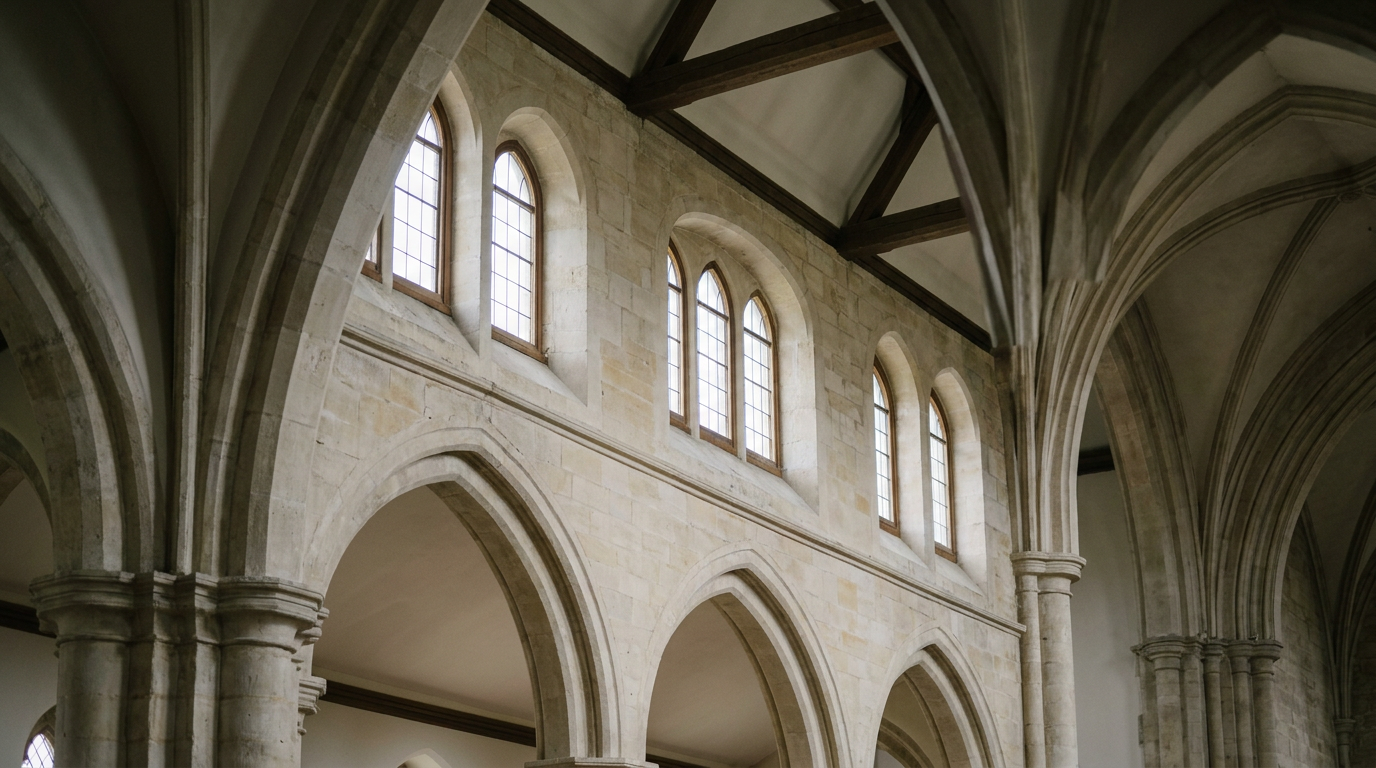
Clerestory refers to a wall section with windows, positioned high above a roof. This ingenious architectural feature is fascinating because it floods large buildings with natural light and ventilation, banishing gloom. It also creates a stunning visual effect, making roofs seem to float and lending an awe-inspiring quality to the interior space.
In a hurry? TL;DR
- 1Clerestory: High wall windows above eye level, designed to bring natural light and air into buildings.
- 2Historically, clerestories lit vast interior spaces in ancient structures like cathedrals before electricity.
- 3Modern uses include sustainable design for passive solar heating/cooling and privacy while maximizing light.
- 4Creates a 'floating roof' visual effect and illuminates deep or central building areas effectively.
- 5Provides privacy from ground-level views while still allowing ample natural illumination.
- 6Consider clerestories for natural light and improved building atmosphere without compromising privacy.
Why It Matters
This architectural feature, the clerestory, is surprisingly clever in its use of high windows to both light and ventilate buildings, creating a sense of spaciousness without compromising privacy.
A clerestory is a high section of wall that contains windows above eye level, designed to flood the interior of a building with natural light and fresh air.
Why It Matters: Understanding the clerestory changes how you perceive the weight and light of the buildings you inhabit.
Clerestory: The Technical Profile Part of Speech: Noun Pronunciation: KLEER-stawr-ee (/ˈklɪərˌstɔːri/) Definition: An upper portion of a wall, containing windows, which rises above the roof of an adjoining lower story.
Lighting the Void The clerestory is the architectural solution to the problem of the deep interior. In massive structures like Roman basilicas or Gothic cathedrals, the central aisles were often too wide for light from the peripheral walls to reach the middle. By raising the central roof higher than the side aisles, architects created a vertical gap where windows could be inserted.
In contrast to standard eye-level windows, a clerestory provides privacy without sacrificing illumination. This makes the feature a favourite in modern residential architecture. It allows a homeowner to bring in the midday sun while blocking the view of a neighbouring fence or a busy road.
According to architectural historians at the Royal Institute of British Architects, the clerestory reached its aesthetic zenith in the medieval period. However, its functional roots are far older, appearing in the Great Hypostyle Hall of Karnak in ancient Egypt. There, massive stone grilles allowed light to filter into the colossal forest of columns, proving that the need for well-lit public spaces is a universal constant of human design.
Examples of Usage
- The architect installed a continuous clerestory along the southern facade to harvest thermal energy during the winter.
- Dust motes danced in the long shafts of light pouring through the cathedral clerestory.
- Rather than adding a skylight, they opted for a clerestory to maintain the structural integrity of the mountain cabin.
Related Concepts Synonyns: High-level window, monitor roof, overstory. Antonyms: Basement window, cellar light, ground-level glazing.
Usage Tips
- Distinction: Do not confuse a clerestory with a skylight; a clerestory is always part of a vertical wall, whereas a skylight is set into the horizontal or sloped plane of the roof.
- Adjectival Use: You can use it as a modifier, such as clerestory lighting or a clerestory window.
Internal Connections If you enjoyed learning about the clerestory, you might appreciate our breakdown of the word Liminal, which describes the transitional spaces these windows often illuminate. You can also explore the history of the Brutalist movement, which often utilised heavy concrete clerestories, or read our collection of Quotes on Architecture to see how masters like Frank Lloyd Wright viewed the interplay of light and stone.
Example Sentences
"The Gothic cathedral's impressive clerestory allowed dappled sunlight to stream onto the altar, creating a celestial atmosphere."
"Our architect recommended adding a clerestory in the living room to maximise natural light and create a more open feel."
"The modern extension featured a narrow clerestory running along the top, preventing direct sun glare whilst still illuminating the space."
"Looking up, one could clearly see the intricate stained glass panels adorning the church's clerestory, telling stories from biblical times."
"The passive solar design of the building incorporated a south-facing clerestory to capture winter sunlight for heating."
Frequently Asked Questions
Sources & References
 Merriam-WebsterDefines 'clerestory' as an outside wall of a room or building that rises above an adjoining roof and contains windows.merriam-webster.com
- 2Online Etymology DictionaryProvides the etymology of 'clerestory,' tracing its origin to Middle English 'clerestorie' with 'clear' referring to light and 'story' meaning a floor or level.etymonline.com
 WikipediaExplains that clerestories were used in ancient Egyptian temples, Roman basilicas, and Gothic cathedrals to illuminate the central nave or hall.en.wikipedia.org