
Quick Answer
Profusion means a huge, overflowing amount of something. It’s fascinating because this isn’t just a lot; it’s so much it creates its own spectacle – think of a garden riotous with colour, or a stream bursting its banks. This abundance hints at things appearing so readily they become almost unstoppable.
In a hurry? TL;DR
- 1Profusion means lavish abundance, emphasizing a sensory experience of overwhelming quantity.
- 2Unlike 'glut', profusion is generally positive or celebratory, highlighting richness and generosity.
- 3The word's origin from Latin 'pour forth' suggests an uncontainable, overflowing quality.
- 4Use 'profusion' to describe a striking visual or intellectual display of a collection.
- 5Profusion implies richness and success, good for describing thriving ecosystems or creative output.
- 6Contrast profusion with scarcity or dearth to highlight a striking abundance.
Why It Matters
The word "profusion" is interesting because it goes beyond simply meaning "a lot" to describe an overwhelming, almost overflowing abundance that can feel both celebratory and chaotic.
Profusion describes a state of lavish abundance or an overflowing quantity of something. It suggests a sense of generosity, extravagance, or even chaos in its sheer volume.
PRUH-FYOO-ZHUHN (/prəˈfjuːʒən/)
Part of Speech: Noun Meaning: An abundance or large quantity of something.
The Weight of Plenty
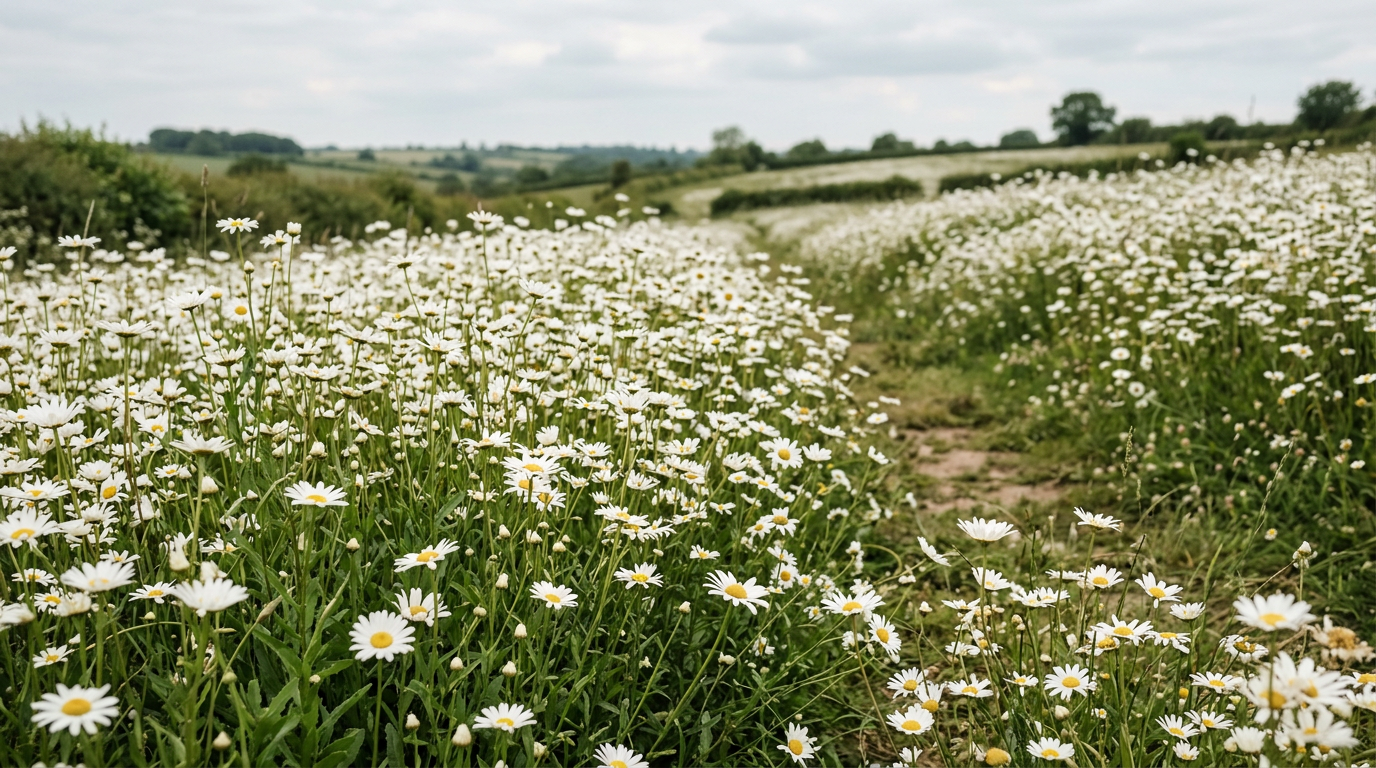
While words like many or numerous suggest a simple headcount, profusion implies a sensory experience. It is the difference between having a few flowers and standing in a meadow where the colours are so dense they blur. To use this word is to acknowledge that the quantity has become a quality of its own.
Unlike the word glut, which carries a negative connotation of excess or waste, profusion is often celebratory. It captures the richness of a botanical garden in July or the scattered brilliance of a mathematician’s chalkboard. According to the Oxford English Dictionary, the word has historically been linked to the idea of pouring forth, suggesting a movement that cannot be easily contained.
The Origin of the Pour
The word carries a liquid history that explains its modern punch.
Modern Contexts
Contemporary usage often leans into the visual or the intellectual. Scientists at the Royal Botanic Gardens, Kew might describe a profusion of orchids in a specific biome, contrasting this with the scarcity found in arid climates. It suggests a biological success story where life has been allowed to run rampant.
In contrast to the word plethora—which originally stemmed from a medical term for an unhealthy excess of blood—profusion remains largely aesthetic. It is the preferred term for writers who want to describe richness without suggesting that the richness is a problem to be solved.
Examples in Sentence
- The library was a maze of mahogany shelves holding a profusion of rare manuscripts and first editions.
- After the spring rains, the desert floor transformed into a profusion of wildflowers that stretched to the horizon.
- Her research notes were a chaotic profusion of post-it notes, sketches, and digital printouts.
- The banquet featured a profusion of exotic fruits that guests had never seen before.
Distinctions and Opposites
Synonyms: Abundance, wealth, cornucopia, bounty, myriad. Antonyms: Scarcity, dearth, pittance, deficiency, lack.
Usage Tips
Use profusion when the quantity is visible and impressive. It works best when describing things that can be sensed—sights, sounds, or smells. While you can have a profusion of ideas, the word carries more weight when describing a profusion of roses or a profusion of stars.
Is profusion always positive?
Generally yes. While a glut or a surplus might be annoying, a profusion usually implies beauty or impressive scale. However, it can be used for negative things to show their overwhelming nature, such as a profusion of errors.
What is the difference between profusion and abundance?
Abundance is a general term for having plenty. Profusion is more specific; it suggests a lavish or extravagant scattering. Think of abundance as a full warehouse and profusion as a bursting garden.
Can it be used as an adjective?
The adjective form is profuse. You might give profuse apologies or notice profuse sweating. In these cases, the meaning leans more toward Great or Excessive.
Key Takeaways
- Meaning: A lavish or large-scale abundance.
- Vibe: Visual, generous, and slightly overwhelming.
- Origin: From the Latin for pouring forth.
- Best used for: Describing nature, art, or sensory environments.
For more on the language of quantity, read about the origins of a Myriad or look into why we call a large amount a Scad. If you prefer the opposite of abundance, see our breakdown of the word Dearth.
Example Sentences
"The garden was a riot of colour, with a profusion of roses, lilies, and delphiniums in full bloom."
"Despite the profusion of evidence, the defendant continued to deny any involvement in the crime."
"She was overwhelmed by the profusion of choices available in the confectionery aisle."
"His poetry is characterised by a profusion of vivid imagery and evocative metaphors."
"There was a profusion of wildlife in the nature reserve, from rare birds to elusive mammals."
Frequently Asked Questions
Sources & References
 Merriam-WebsterProvides the definition, part of speech, and etymology of the word 'profusion'.merriam-webster.com
- 2Online Etymology DictionaryDetails the etymological origin of 'profusion' from Latin 'profusionem' and 'profundere'.etymonline.com
- 3Royal Botanic Gardens, KewIllustrates how 'profusion' might be used in a scientific context to describe an abundance of orchids in a biome.kew.org
- 4Oxford English DictionaryExplains the historical usage of 'profusion' related to 'pouring forth' and its evolution in meaning.oed.com