
Quick Answer
Estivate means to sleep or become inactive during hot, dry weather. It’s nature's way of surviving tough conditions, much like hibernation in winter. This fascinating strategy allows animals to conserve precious energy and water, helping them live through extreme heat or drought. Some animals can even estivate for years, showcasing incredible adaptability.
In a hurry? TL;DR
- 1Estivation is a state of dormancy animals enter to survive extreme heat and drought, similar to hibernation for cold.
- 2During estivation, an organism's metabolism slows significantly, conserving energy and moisture when conditions are harsh.
- 3The term 'estivate' comes from the Latin 'aestivare,' meaning 'to spend the summer,' and describes a summer sleep.
- 4Unlike hibernation (cold-triggered), estivation is a response to heat and water scarcity, a strategic retreat from inhospitable environments.
- 5Estivation involves complex biological processes to prevent cell damage during dehydration, maintaining life until favorable conditions return.
- 6Examples include desert snails sealing their shells with mucus and lungfish estivating in mud for years.
Why It Matters
Estivation is a survival tactic where animals endure extreme heat or drought by entering a dormant state, much like hibernation for winter.
Estivate is the biological equivalent of hibernation, but for the heat. It describes the state of dormancy or inactivity that certain animals use to survive periods of extreme drought or high temperatures.
Quick Answer
To estivate is to spend a hot or dry period in a prolonged state of torpor or dormancy. It is essentially summer sleep, a survival mechanism used to conserve energy and moisture when the environment becomes inhospitable.
Reference
Part of Speech: Verb Pronunciation: ES-tuh-vayt (/ˈɛstəˌveɪt/) Definition: To pass the summer in a state of lethargy or sleep-like dormancy.
The Logic of the Summer Sleep
While hibernation is a household term associated with bears and winter, estivation is its equally vital but less famous cousin. It is a strategic retreat. When water supplies vanish and the sun becomes a threat, certain species simply turn themselves off.
Biology: During estivation, an organism’s metabolic rate drops drastically. This allows them to survive on minimal internal energy stores while avoiding the lethal effects of desiccation.
Usage: While primarily a biological term, it functions as a sharp, slightly academic metaphor for humans who retreat from the world during the sweltering dog days of August. Unlike the cozy connotation of hibernation, estivation implies a necessary, almost defensive stillness.
Origin and Evolution
Distinctions in Dormancy
The primary difference between the two states is the environmental trigger. Hibernation is a response to cold and food scarcity; estivation is a response to heat and water scarcity.
According to researchers at the University of Queensland, estivation involves a complex chemical signalling process that prevents cell damage while the animal is effectively dehydrated. This is in contrast to hibernators, who must focus on maintaining a baseline body temperature against the creeping frost.
Examples in Context
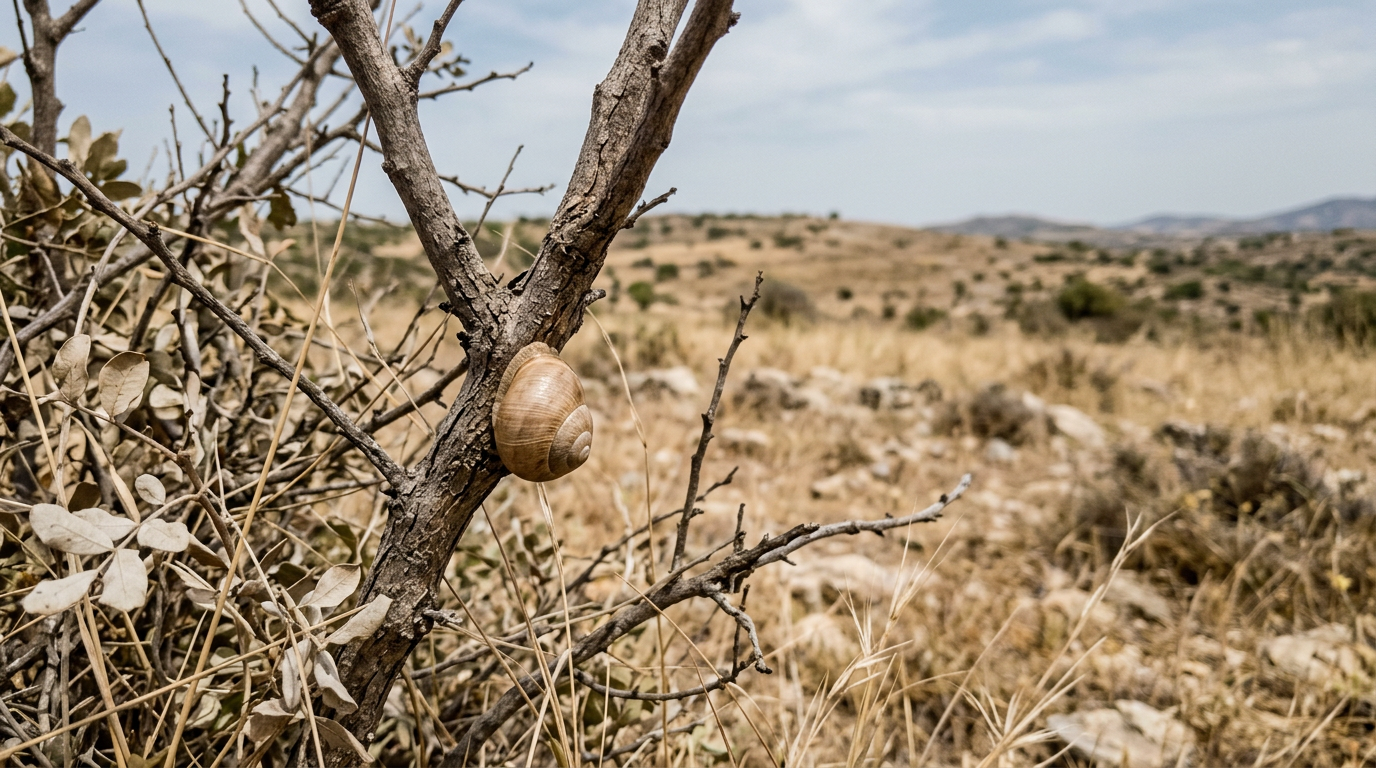
- Desert snails: These mollusks will estivate by sealing their shell openings with a layer of dried mucus to trap moisture inside during a drought.
- Literary lunch: After the exhausting heat of the midday sun in Rome, we decided to estivate in the shaded courtyard of the villa until dusk.
- Modern biology: Scientists are studying how lemurs estivate to understand if humans could ever enter a similar state for long-duration space travel.
Synonyms and Antonyms
Synonyms: Dormancy, torpor, quiescence, summering. Antonyms: Activation, flourishing, maturation, hibernation (in a seasonal sense).
Practical Usage Tips
Use estivate when you want to be precise about heat-related inactivity. Calling a mid-August slump hibernation is technically a seasonal error; estivation is the smarter, more evocative choice for the height of July.
Related Concepts
- Diapause: A period of suspended development in insects.
- Brumation: The reptilian version of winter dormancy.
- Torpor: A state of decreased physiological activity, usually short-term.
Do mammals estivate?
Yes. While common in reptiles and amphibians, some mammals like the fat-tailed dwarf lemur of Madagascar estivate in tree holes for seven months of the year when food and water are scarce.
Is estivating the same as sleeping?
No. Sleep is a daily cycle with specific brain activity. Estivation is a deeper, metabolic suppression that can last for weeks or months, during which the animal often does not react to external stimuli.
Can plants estivate?
Plants go through dormancy, but the specific term estivate is almost exclusively reserved for animals and occasionally used as a poetic verb for people.
Key Takeaways
- Survival: It is a biological tactic to survive heat and lack of water.
- Metabolic Shift: It involves a massive reduction in heart rate and oxygen consumption.
- Latin Roots: It stems from the word for summer, mirroring the structure of hibernation.
- Broad Utility: Though scientific, it serves as a sophisticated metaphor for seasonal avoidance.
Example Sentences
"Many desert snails estivate by burying themselves deep in the sand, sometimes for years."
"During the prolonged drought, the pond's fish were forced to estivate in the remaining muddy puddles."
"Some reptiles estivate through the hottest months, emerging only when conditions become more favourable."
"The lungfish's remarkable ability to estivate allows it to survive in incredibly arid environments."
"When temperatures soared, the garden's hedgehogs would estivate for short periods, seeking cooler, darker spots."
Frequently Asked Questions
Sources & References
- 1Online Etymology DictionaryDetails the etymological origin of 'estivate' from Latin 'aestivare' and 'aestas'.etymonline.com
 BritannicaDifferentiates estivation from hibernation by identifying its environmental triggers as heat and drought, and provides examples of animals that estivate, such as lungfish.britannica.com
 Merriam-Webster DictionaryProvides the definition, pronunciation, and etymology of the word 'estivate'.merriam-webster.com
 WikipediaExplains estivation as a state of animal dormancy characterized by inactivity and a lowered metabolic rate in response to high temperatures and arid conditions.en.wikipedia.org