
Quick Answer
Hygroscopic means a substance readily absorbs moisture from the air. This is fascinating because it explains common occurrences, such as why sugar lumps harden or why certain foods, like honey, don't spoil easily. These materials actively draw water from their surroundings.
In a hurry? TL;DR
- 1Hygroscopic materials actively attract and absorb water molecules from the surrounding air.
- 2Common examples include sugar, salt, honey, and wood, impacting their texture and stability.
- 3This property explains why foods can become stale or clumpy in humid conditions.
- 4Wood's hygroscopic nature requires special joinery techniques to prevent cracking due to humidity changes.
- 5Honey's extreme hygroscopy allows it to dehydrate and preserve itself, preventing spoilage.
- 6Brake fluid is hygroscopic; sealing it prevents water absorption, which degrades performance.
Why It Matters
It's fascinating how everyday things like sugar and wood actively pull moisture from the air, influencing everything from food preservation to furniture making.
Hygroscopic describes a substance’s physical tendency to attract and hold water molecules from the surrounding environment through either absorption or adsorption. Unlike materials that simply get wet, these substances actively pull moisture out of the air.
- Absorbing moisture from the air
- Sugar, salt, and honey are common examples
- Essential for wood stability and food preservation
- Derived from Greek words for moist and look
Why It Matters: Understanding hygroscopy explains why your crackers go soft in humid weather and why ancient honey found in Egyptian tombs is still technically edible.
Hygroscopic: The Basics
Part of Speech: Adjective Pronunciation: hahy-gruh-SKOP-ik (/ˌhaɪɡrəˈskɒpɪk/) Definition: Readily absorbing moisture from the air.
The Chemistry of Thirst
While we often use the word absorbent to describe a sponge, hygroscopic implies a more aggressive, molecular relationship with humidity. It is the reason a bowl of sugar becomes a solid brick if left in a damp pantry. The substance isn't just sitting there; it is actively scavenging water vapour from the atmosphere.
This property is a double-edged sword in industry and nature. In the world of fine woodworking, for example, wood is considered a hygroscopic material. It never truly stops breathing. Even after being cut and dried, a mahogany table will expand or contract as it reacts to the relative humidity of a room. This constant movement is why high-end furniture requires specific joinery techniques to prevent the wood from cracking against its own grain.
In contrast to hydrophobic materials which repel water, or hydrophilic materials which simply like it, hygroscopic substances can actually change their physical state. If a substance is so hygroscopic that it absorbs enough water to turn into a liquid solution, it earns a more specific title: deliquescent.
Origin and Evolution
Examples in Context
- The chemist noted that the powder was highly hygroscopic and required storage in a vacuum-sealed desiccator to prevent clumping.
- Even though the climate was dry, the hygroscopic moss managed to pull enough dew from the morning air to survive.
- Brake fluid is famously hygroscopic, which is why mechanics insist on keeping the reservoir tightly capped to prevent water contamination.
Related Terms and Variations
Synonyms: Moist-absorbing, bibulous, inhalant. Antonyms: Hydrophobic, water-repellent, non-absorbent.
What is the difference between hygroscopic and hydrophilic?
Hydrophilic means water-loving and refers to substances that dissolve easily in water. Hygroscopic refers specifically to the ability to pull water vapour out of the air.
Is salt hygroscopic?
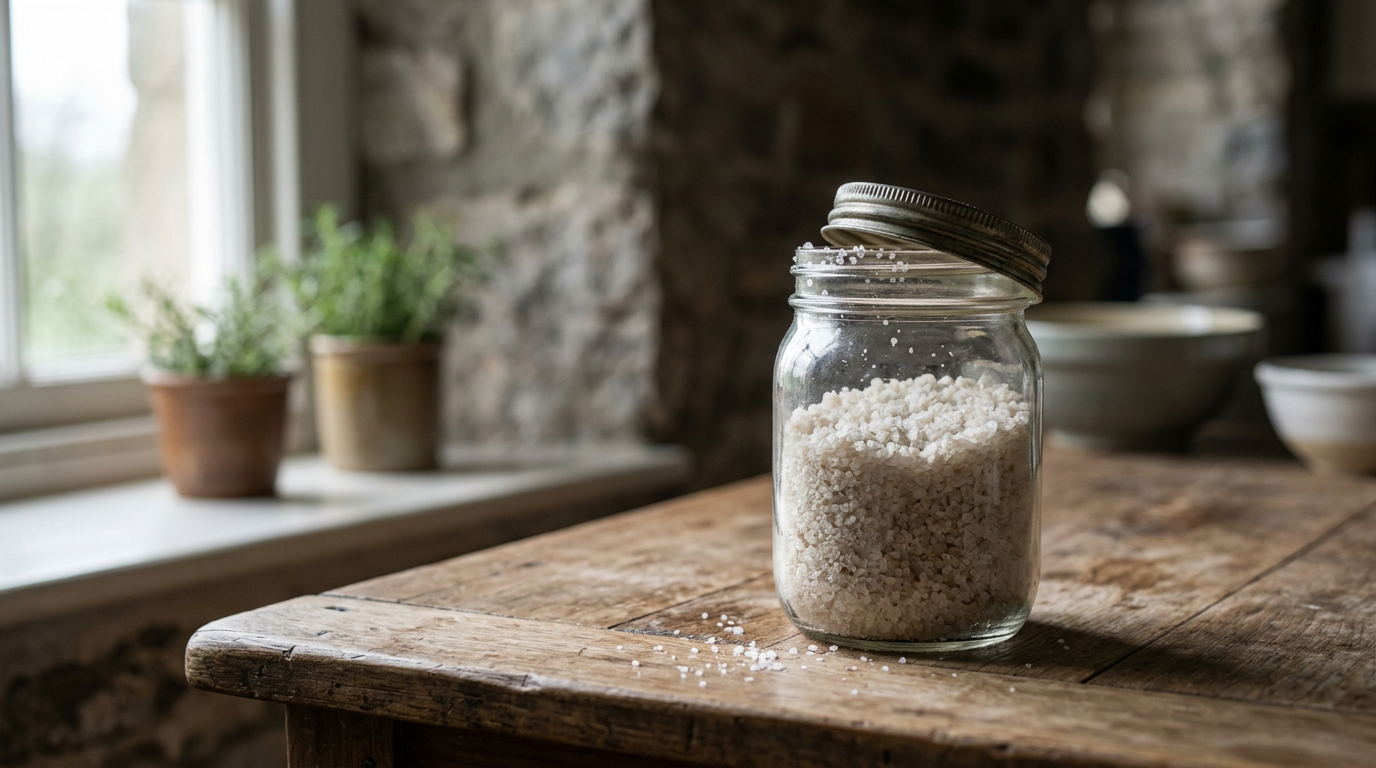
Yes, which is why salt shakers often clog in tropical climates. Adding a few grains of rice helps because the rice is even more hygroscopic than the salt, acting as a buffer.
Why is it important in baking?
Ingredients like brown sugar and honey are used not just for sweetness, but for their hygroscopic nature. They pull moisture into the cake, keeping it moist for days longer than a recipe using only white granulated sugar.
Key Takeaways
- Active Attraction: It describes substances that pull water molecules from the air.
- Physical Change: This can lead to swelling, clumping, or even liquefaction.
- Natural Preservation: It is a primary reason why certain foods and biological samples do not rot.
- Industrial Impact: It dictates how we store everything from construction timber to pharmaceutical pills.
Example Sentences
"Salt is a hygroscopic substance, which is why it often clumps together in humid weather."
"The desiccant packets included with electronics are filled with highly hygroscopic materials to prevent moisture damage."
"Wood is a hygroscopic material, and its moisture content fluctuates with changes in atmospheric humidity, leading to expansion and contraction."
"To maintain the freshness of biscuits, they should be stored in an airtight container to protect them from the hygroscopic effects of the air."
"Calcium chloride is notably hygroscopic and is often used in laboratories to dry gases and absorb water vapour."
Frequently Asked Questions
Sources & References
 Merriam-WebsterProvides the definition, pronunciation, and etymology of the word 'hygroscopic'.merriam-webster.com
- 2Oxford English DictionaryDetails the etymology of 'hygroscopic' from Greek roots 'hugros' and 'skopos', and its historical usage.oed.com
 WikipediaExplains hygroscopy as the ability of a substance to attract and hold water molecules from the surrounding environment.en.wikipedia.org