
Quick Answer
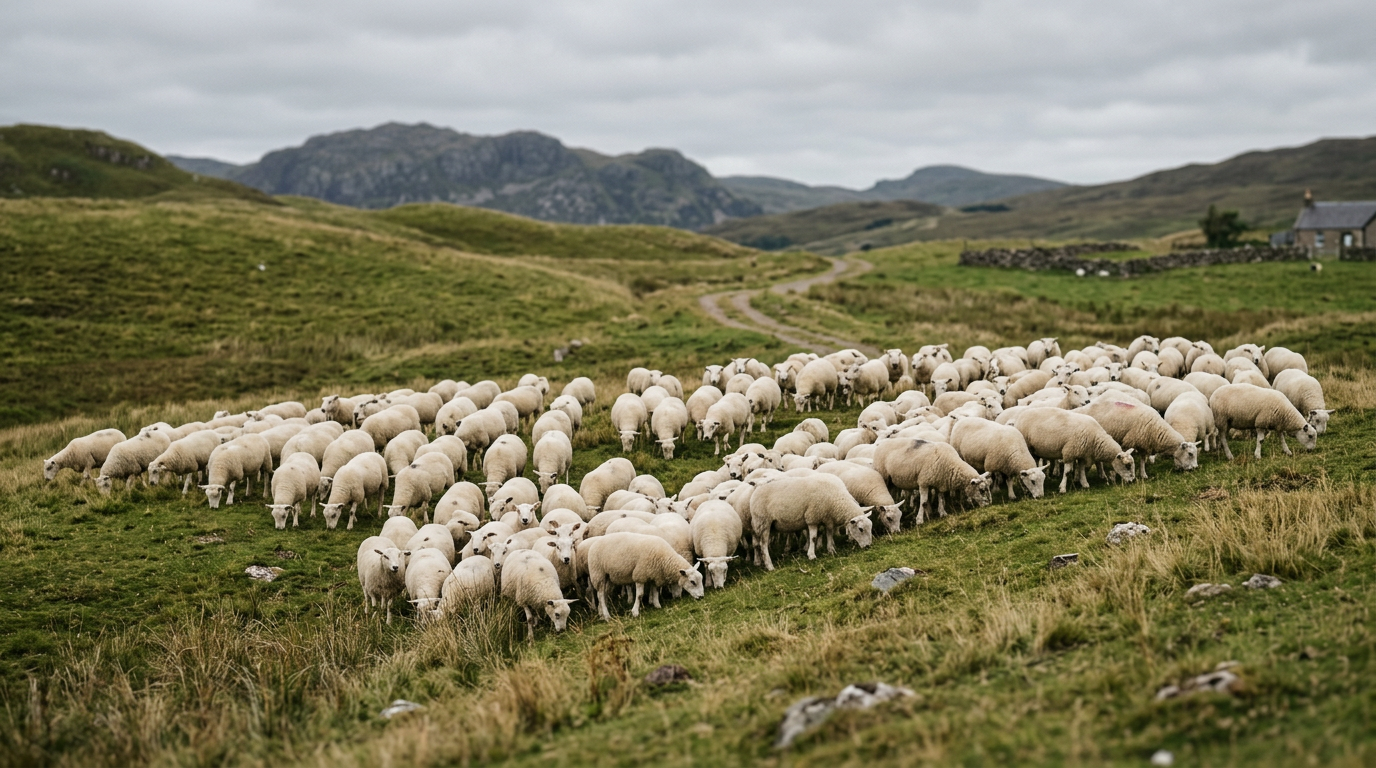
Gregarious means enjoying company and being sociable. Think of animals that flock together; that's the essence of being gregarious. It's fascinating because it points to a deep-seated human need for connection, not just a preference. Being alone can actually be harder for someone who is gregarious, highlighting how social interaction can be vital for well-being.
In a hurry? TL;DR
- 1Gregarious means thriving in company and disliking solitude, stemming from Latin for 'flock' or 'herd'.
- 2It applies to both personality types and biological needs, indicating an instinctual drive for social clusters.
- 3Unlike extroversion (energy processing), gregariousness focuses on the physical act of seeking company.
- 4Social isolation can cause physiological harm to gregarious species, highlighting company as a necessity.
- 5The term bridges human sociology and animal biology, showing a shared need for social connection.
- 6In Switzerland, owning a single guinea pig is illegal due to their gregarious nature and need for companionship.
Why It Matters
It's surprising to learn that being gregarious isn't just about liking people, but a deep biological need for company that's shared by humans and animals alike.
Gregarious describes a person or animal that thrives in the company of others and dislikes being alone. It signals a fundamental preference for social clusters over solitary existence.
Why It Matters Understanding the word helps distinguish between someone who is simply polite and someone whose psychological battery only charges when surrounded by others.
The Core of Gregariousness
GREG-AIR-EE-UHS (/ɡrɪˈɡɛəriəs/)
Part of Speech: Adjective Definition: Fond of company; sociable; living in flocks or loosely organised communities.
To be gregarious is to be a creature of the crowd. While we often use it to describe the life of the party, the word has a biological weight that suggests instinct rather than just choice. It identifies those who feel most alive when they are part of a collective.
Unlike terms like extroverted, which describes how one processes energy, or affable, which describes a pleasant manner, gregarious focuses on the physical act of seeking the herd. According to researchers at the University of Chicago, social isolation in gregarious species can lead to measurable physiological decay, proving that for these beings, company is a biological necessity.
The Roots of the Herd
Putting It Into Practice
- Professional Context: The role requires a gregarious individual who can navigate a crowded conference room as easily as a private meeting.
- Biological Context: Because locusts are naturally solitary, their sudden shift into a gregarious phase creates the massive swarms that devastate crops.
- Cultural Context: The gregarious nature of the local pub culture ensures that no one ever truly drinks alone.
Synonyms and Contrast
- Synonyms: Sociable, convivial, companionable, outgoing.
- Antonyms: Solitary, reclusive, unsociable, aloof.
Unlike a convivial person, who might just be good at hosting a dinner, a gregarious person is defined by their aversion to solitude. Whereas an introvert might enjoy a party, the gregarious individual requires the party to feel functional.
Is gregarious the same as extroverted?
Not exactly. Extroversion is a broad psychological trait regarding energy, while gregariousness is the specific tendency to seek out and enjoy the company of others.
Can a word be gregarious?
No, the term is reserved for living things—humans, animals, or sometimes plants that grow in clusters—that exhibit social or colonial behaviour.
How do you use it in a sentence?
You might say: She was a gregarious host who felt most at home when her living room was overflowing with guests.
Key Takeaways
- Origin: Comes from the Latin word for herd (grex).
- Usage: Applies to both the life of the party and biological schooling behaviours.
- Distinction: Implies a deep-seated, instinctive need for group interaction.
- Requirement: Often used in job descriptions for roles that demand high-level networking.
For more on how we describe human behaviour, see our entries on the Bystander Effect and the origin of the word Maverick. You might also enjoy our breakdown of the Solitude Paradox.
Example Sentences
"Despite his serious professional demeanour, John is incredibly gregarious at social gatherings, always the life and soul of the party."
"Sheep are naturally gregarious animals, always sticking together in large flocks for safety and comfort."
"Her gregarious nature meant she struggled with working from home and missed the daily interactions with her colleagues."
"The new student quickly made friends, proving to be quite gregarious and outgoing from day one."
"For such a large, imposing creature, the elephant is remarkably gregarious, forming strong, close-knit family units."
Frequently Asked Questions
Sources & References
 Merriam-WebsterProvides the definition, pronunciation, synonyms, and example sentences for 'gregarious'.merriam-webster.com
- 2Online Etymology DictionaryDetails the etymological origin of 'gregarious' from Latin 'gregarius' and 'grex'.etymonline.com
- 3Collins DictionaryOffers definitions, examples of usage, and notes on the various senses of 'gregarious' for both people and animals.collinsdictionary.com