
Quick Answer
Workaday describes something ordinary and practical, perfect for everyday use rather than being showy. It's interesting because it celebrates the dependable usefulness of everyday items, reminding us that things designed to simply do their job reliably hold their own special kind of value.
In a hurry? TL;DR
- 1Workaday describes ordinary, routine, and practical things, not special or artistic ones.
- 2It highlights the functional utility of items and aspects of daily life.
- 3The word implies robust reliability and fitness for purpose, unlike 'mediocre' or 'dull'.
- 4Use it to describe essential, unglamorous tasks or products designed for heavy daily use.
- 5Workaday bridges the gap between commonness and industriousness in descriptions.
- 6It emphasizes things that are useful and efficient without seeking attention.
Why It Matters
Workaday is a surprisingly useful term for appreciating the quiet competence of ordinary, functional things that keep our world running.
Workaday describes anything that is ordinary, routine, or practical rather than special, artistic, or exceptional. It captures the essence of the mundane utility found in daily life.
TL;DR
- Refers to the common, everyday aspects of life and labor.
- Distinguishes functional items from those intended for display or luxury.
- Derived from a linguistic evolution of working day.
- Useful for describing a grounded, no-nonsense aesthetic or attitude.
Why It Matters
Understanding workaday helps us appreciate the invisible infrastructure of our lives, from the tools we use to the routines that keep society functioning.
Word Profile
- Part of Speech: Adjective
- Pronunciation: WUR-kuh-day (/ˈwəːkədeɪ/)
- Meaning: Ordinary, practical, or characteristic of a working day.
The Beauty of the Basic
Workaday is a word for the unglamorous. While we often celebrate the bespoke or the avant-garde, the workaday world is what actually moves the needle. It describes the items and habits that are too busy being useful to worry about being beautiful.
Unlike synonyms such as mediocre or dull, workaday carries a sense of robust reliability. It implies something that is fit for purpose. When a designer refers to a workaday typeface, they mean one that is highly legible and functional, rather than one meant for a decorative movie poster.
The word fills a specific gap in the English language by bridging the distance between common and industrious. According to lexicographers at Merriam-Webster, the term emerged as a corruption of working-day, reflecting the shift from the solemnity of the Sabbath to the repetitive utility of the rest of the week.
One of the most famous examples of a workaday product pivot is Play-Doh. In the 1930s, it was a strictly workaday substance: a pliable putty used to lift coal soot off wallpaper. It was only when sales slumped that it was rebranded as a colourful toy, moving from the utility of the cleaning cupboard to the creativity of the playroom.
Practical Applications
- Professional life: Use it to describe the necessary but repetitive tasks that make up a bulk of your role, such as workaday administrative duties.
- Product design: Distinguish between a showpiece item and a workaday tool designed for heavy, daily use.
- Literature: Describe a character who lacks pretension and lives a grounded, workaday existence.
Synonyms and Antonyms
- Synonyms: Prosaic, quotidian, mundane, utilitarian.
- Antonyms: Extraordinary, ethereal, frivolous, exceptional.
Does workaday always mean boring?
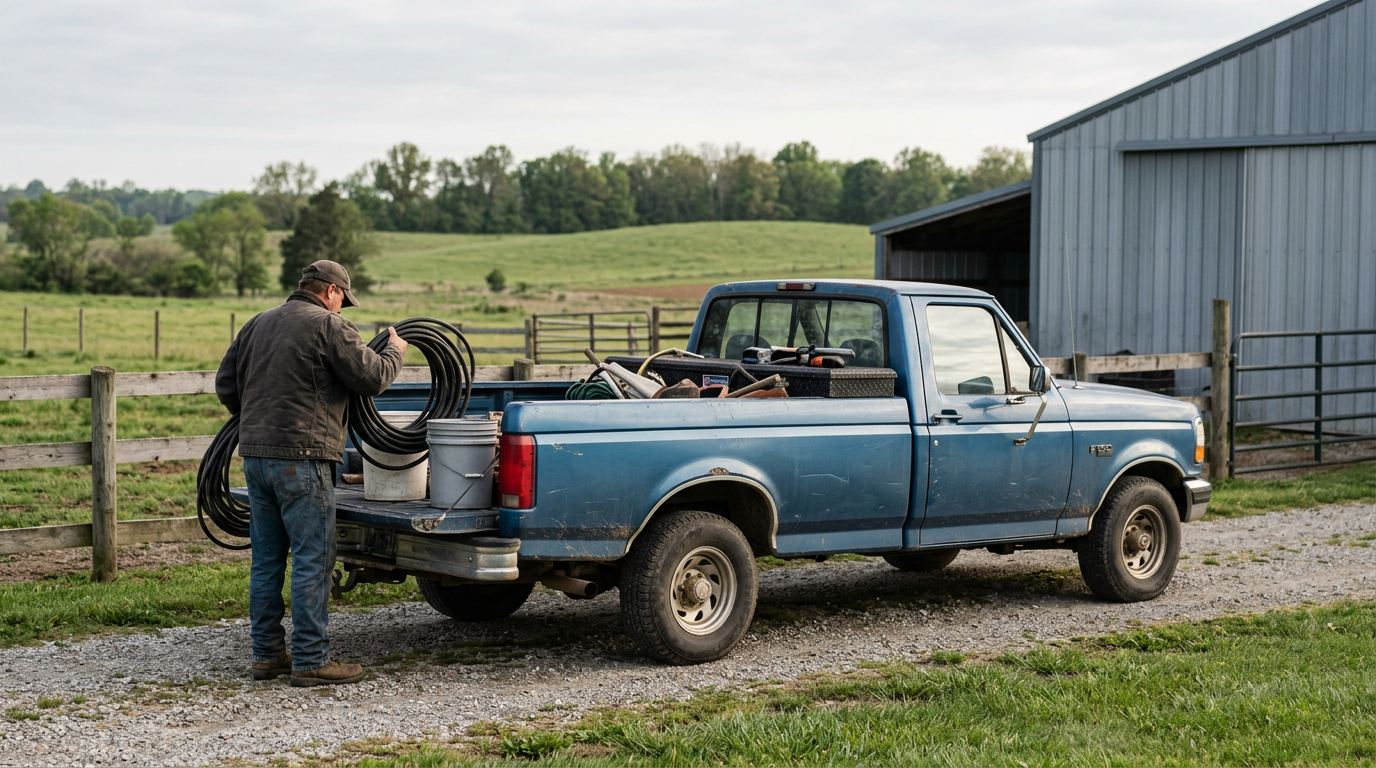
Not necessarily. While it implies a lack of excitement, it more accurately suggests something that is common or suited to a daily routine. A workaday vehicle is one that is reliable for commuting, even if it is not a Ferrari.
How is it different from quotidian?
Quotidian also means everyday, but it often carries a more poetic or academic tone. Workaday feels more industrial and grounded in physical labor or practical utility.
Key Takeaways
- Use workaday to describe things that are functional and routine.
- It originated as a simpler way to say working-day.
- The word highlights the practical side of life over the ornamental.
Related reading: learn about the Prosaic nature of modern office life, the Quotidian habits of geniuses, or why we value Bespoke items over mass-produced goods.
Example Sentences
"Despite its humble, workaday appearance, the old shed was surprisingly sturdy and well-maintained."
"She preferred a workaday, no-nonsense approach to problem-solving, rather than overthinking every detail."
"The new exhibition contrasted the vibrant, modern art with a display of the workaday tools used by artisans centuries ago."
"His workaday routine rarely varied, starting with a cup of tea and the morning newspaper every day."
"The old farmhouse, with its practical design and solid construction, was a perfect example of workaday architecture."
Frequently Asked Questions
Sources & References
- 1Online Etymology DictionaryThis source details the etymological development of 'workaday' from 'working day'.etymonline.com
 Merriam-WebsterThis source provides the definition, pronunciation, and etymology of 'workaday'.merriam-webster.com
- 3Collins DictionaryThis source offers definitions and usage examples for 'workaday' in various contexts.collinsdictionary.com