
Quick Answer
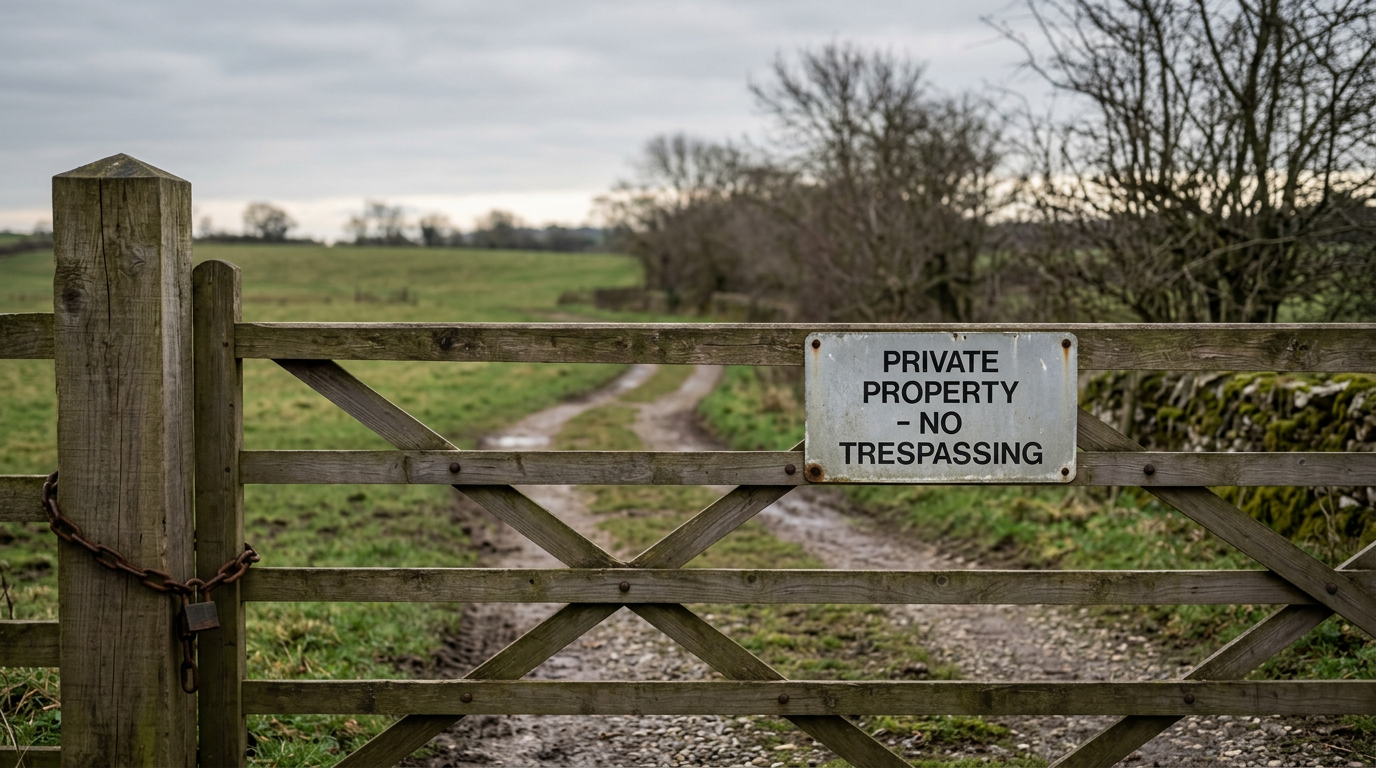
A deterrent is something that discourages you from doing something by making the consequences seem unpleasant. It's fascinating because it relies on the absence of action, proving how effective fear of negative outcomes can be, from everyday choices to international relations. Even a stark warning sign can serve as a deterrent.
In a hurry? TL;DR
- 1Deterrents discourage actions by making negative consequences outweigh potential rewards, influencing cost-benefit analysis.
- 2For a deterrent to work, it must be both visible and credible to the observer's mind.
- 3Deterrents aim to prevent actions entirely, unlike punishments that occur after an event.
- 4Effectiveness of a deterrent is measured by actions *not* taken, making success hard to quantify.
- 5Micro-deterrents, like bitter coatings or high insurance excesses, are used daily to guide behavior subtly.
- 6Deterrents function as communication, signaling a high price for specific behaviors to prevent them.
Why It Matters
It's fascinating how a deterrent, like painted stripes on a horse, can work by simply confusing an attacker rather than directly fighting them.
A deterrent is any factor, object, or consequence that discourages a person or animal from following a specific course of action. It works by altering the cost-benefit analysis of a choice, making the potential negative outcome outweigh the perceived reward.
Quick Reference
Part of Speech: Noun / Adjective Pronunciation: dih-TUR-uhnt (/dɪˈtɜːrənt/) Meaning: A thing that discourages or is intended to discourage someone from doing something.
- Deterrents function as psychological or physical barriers to entry.
- The term is central to both international geopolitics and domestic security.
- Unlike a punishment, which happens after an act, a deterrent aims to stop the act from ever occurring.
- Effectiveness is measured by what does not happen, making its success difficult to quantify.
Why It Matters
Understanding the mechanics of a deterrent allows you to manipulate incentives in negotiation, habit-forming, and social design without resorting to active conflict.
The Architecture of Hesitation
The power of a deterrent lies entirely in the mind of the observer. For a deterrent to work, it must be both credible and visible. If a shoplifter does not see the security camera, the camera fails as a deterrent, even if it succeeds as a tool for prosecution later.
In modern behavioral science, we see this play out in surprising ways. Researchers at the University of Bristol found that painting stripes on horses—mimicking zebras—acted as a visual deterrent for tabanid horseflies. The flies became confused by the pattern and failed to land.
This concept reached its peak during the Cold War under the doctrine of Mutually Assured Destruction. Here, the deterrent was so absolute that it rendered the actual use of the weapons self-defeating. Unlike other forms of defense, a nuclear deterrent is only successful as long as it is never actually deployed.
In daily life, we use micro-deterrents constantly. A bitter coating on a fingernail prevents biting; a high excess on an insurance policy discourages small claims. These are nudges designed to make the path of least resistance the one you actually want people to take.
Examples in Context
- The presence of a guard dog serves as a powerful deterrent to opportunistic burglars.
- High tax rates on tobacco are intended to act as a financial deterrent for young smokers.
- The translucent spikes on city window sills are a physical deterrent for pigeons looking to roost.
- Some economists argue that the threat of a lawsuit is a more effective deterrent than industry regulation.
Relationships and Nuance
Synonyms: Obstacle, disincentive, curb, hindrance, impediment. Antonyms: Incentive, catalyst, encouragement, inducement.
A common mistake is confusing a deterrent with a preventative. A lock is a preventative; it physically stops the door from opening. A sign saying The police have been called is a deterrent; it attempts to persuade the intruder to turn around of their own volition.
Practical Usage Tips
Use the word when the barrier is psychological. If you are talking about a physical wall that cannot be climbed, call it a barrier. If you are talking about a wall that is easy to climb but has an alarm attached, call the alarm the deterrent.
Key Takeaways
- A deterrent aims to stop an action by making the consequences seem unappealing.
- Credibility and visibility are the two pillars of any effective deterrent.
- It differs from a preventative because it relies on the target making a choice to stop.
- From zebra stripes to nuclear missiles, the goal is always to influence a decision before it is made.
Related concepts to explore include the Pareto Principle, the psychology of Incentives, and the history of Game Theory.
Example Sentences
"The presence of security guards acts as a strong deterrent against shoplifting in the department store."
"Higher fines are often proposed as a deterrent to illegal parking in congested city centres."
"Nuclear weapons serve as a powerful deterrent to large-scale military aggression between nations."
"For many students, the fear of failing the exam was a sufficient deterrent to skipping their revision."
"The unpleasant taste of the medication was intended as a deterrent to prevent children from overdosing."
