
Quick Answer
Nectariferous means a plant produces nectar, a sweet liquid. This is fascinating because it shows plants essentially 'bribing' animals, like bees or birds, to help them spread pollen and reproduce. It's a clever evolutionary strategy, a sugary handshake for vital services.
In a hurry? TL;DR
- 1Nectariferous describes plants or floral parts that produce nectar, a sugar-rich liquid for attracting pollinators.
- 2This term distinguishes plants that actively bribe pollinators from those using wind or other methods for reproduction.
- 3Nectar production is a strategic survival tactic, ensuring precise pollen transfer by specific visitors like bees and birds.
- 4Some nectariferous plants can sense pollinator vibrations and adjust nectar sugar content in response.
- 5Beekeepers value nectariferous plants like clover and lavender for honey production, prioritizing their forage quality.
- 6The word 'nectariferous' combines Latin 'nectar' (drink of the gods) and '-fer' (to bear), signifying nectar-bearing.
Why It Matters
It's fascinating that plants can actively 'bribe' pollinators with sweet nectar, with some even sensing bee vibrations to boost their sugary offerings.
Nectariferous describes any plant, organ, or gland that produces or secretes nectar, the sugar-rich fluid used to bribe pollinators into service. It is a specific botanical designation for life forms that have evolved to be generous for the sake of survival.
Quick Answer
Nectariferous is an adjective used to identify plants or floral structures that yield nectar. It distinguishes species that actively provide a food source for insects and birds from those that rely on wind or other non-biological methods for pollination.
Nectariferous: At a Glance
Part of Speech: Adjective Pronunciation: nek-tuh-RIF-er-uhs (/ˌnɛktəˈrɪfərəs/) Meaning: Producing, bearing, or secreting nectar.
The Economy of the Floral Bribe
In the botanical world, nothing is free. Nectariferous plants are the high-functioning capitalists of the meadow. While some plants expend energy creating massive amounts of pollen to be scattered haphazardly by the wind, nectariferous species prefer a targeted delivery system. By producing nectar, they attract specific couriers—bees, butterflies, and hummingbirds—to transport their genetic material with surgical precision.
What makes this word distinctive is its focus on the action of giving. A flower isn't just beautiful; if it is nectariferous, it is functional. According to researchers at Tel Aviv University, some nectariferous plants can even sense the vibrations of bee wings, triggering them to increase the sugar concentration of their nectar within three minutes of the sound. This creates a real-time feedback loop between the producer and the consumer.
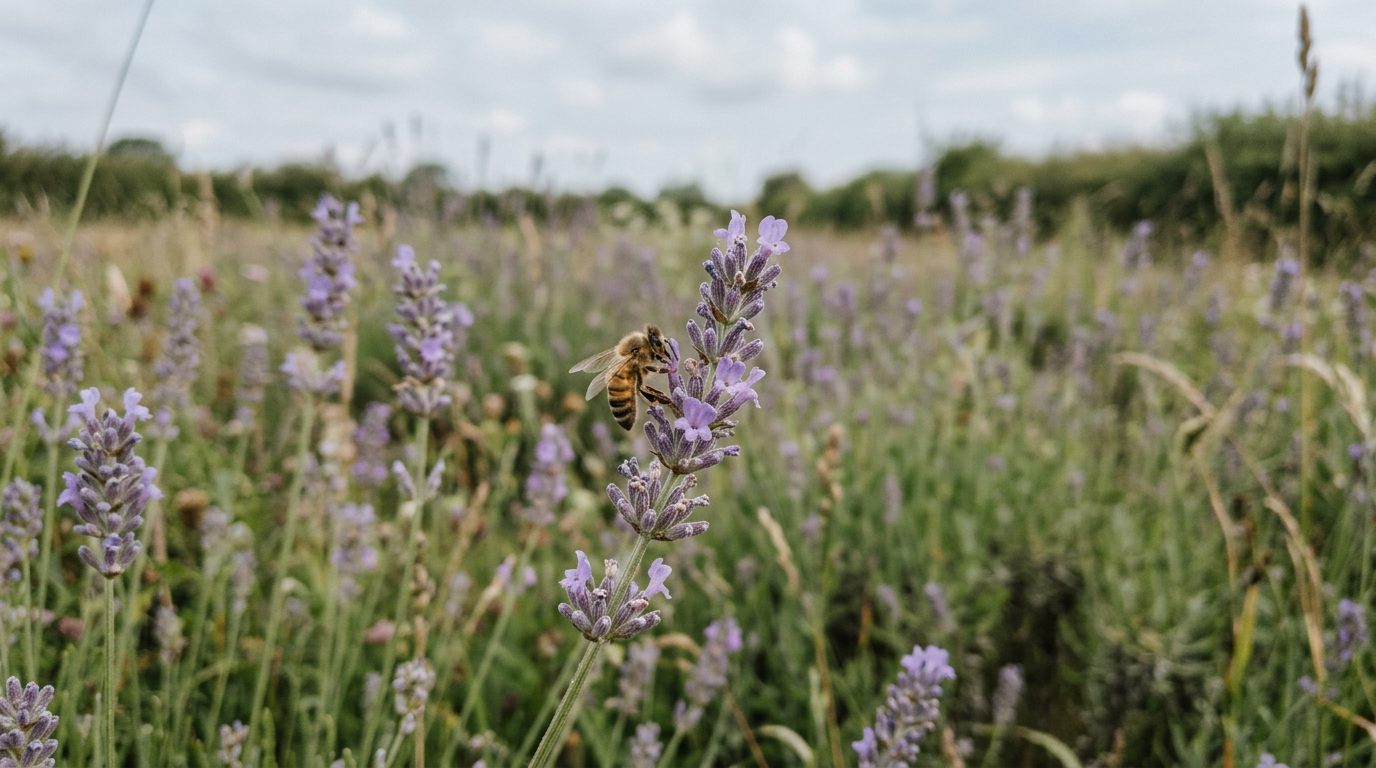
The word is frequently used in apiculture and botany to distinguish high-value forage for honeybees. For example, while a rose might be aesthetically pleasing, a beekeeper is far more interested in the nectariferous qualities of white clover or lavender, which provide the raw materials for honey production.
Examples of Nectariferous in Context
- The gardener prioritised nectariferous shrubs like buddleja to ensure the local butterfly population would thrive during the dry summer months.
- Unlike the wind-pollinated pine tree, the nectariferous apple blossom requires the physical intervention of a foraging insect.
- Botanists observed that the plant became less nectariferous as the soil acidity changed, eventually failing to attract its usual pollinators.
Synonyms and Antonyms
- Synonyms: Nectareous (though this usually refers to the taste), melliferous (specifically honey-bearing), pollinator-friendly.
- Antonyms: Nectarless, anemophilous (wind-pollinated), abloom (general state).
Usage Tips
Use nectariferous when you want to sound technically precise about a plant’s biological function. While melliferous is often used interchangeably in beekeeping circles, nectariferous is the broader botanical term. If you are describing the sweet taste of a drink, stick to nectareous; if you are describing the flower's ability to produce that sweetness, use nectariferous.
Are all flowers nectariferous?
No. Many flowers, such as those of cereal crops or grasses, are wind-pollinated and do not produce nectar. Others, like certain orchids, use deception to attract insects without providing a food reward.
What is the difference between nectariferous and melliferous?
Nectariferous refers to the production of nectar by the plant. Melliferous specifically refers to plants that are a source of honey, typically those favoured by honeybees. All melliferous plants are nectariferous, but not all nectariferous plants are useful for honey production.
Can a plant stop being nectariferous?
Yes. Environmental stressors like extreme heat, drought, or poor soil quality can cause a plant to cease nectar production to conserve energy for its own survival.
Key Takeaways
- Nectariferous means producing or secreting nectar.
- The term combines the Latin roots for nectar and bearing.
- It is a vital concept in both botany and apiculture (beekeeping).
- The trait is an evolutionary trade: food for the pollinator in exchange for the transport of pollen.
Example Sentences
"The campanula is a highly nectariferous plant, providing ample food for bumblebees throughout the summer."
"Beekeepers often plant nectariferous crops like clover and lavender to encourage strong honey production."
"The researcher identified several nectariferous glands on the leaf's underside, indicating a unique defence mechanism."
"Hummingbirds are particularly attracted to bright red, tubular flowers, which are often nectariferous."
"Although beautiful, some ornamental plants are not very nectariferous, offering little to local pollinators."
Frequently Asked Questions
Sources & References
 Merriam-WebsterThis source provides the definition, pronunciation, and an example of usage for 'nectariferous'.merriam-webster.com
- 2Collins DictionaryThis source offers the definition, part of speech, and etymology for 'nectariferous', noting its derivation from 'nectar' and '-ferous'.collinsdictionary.com
- 3WiktionaryThis source details the etymology of 'nectariferous', breaking down its Latin roots 'nectar' and '-ferous' (from 'ferre').en.wiktionary.org